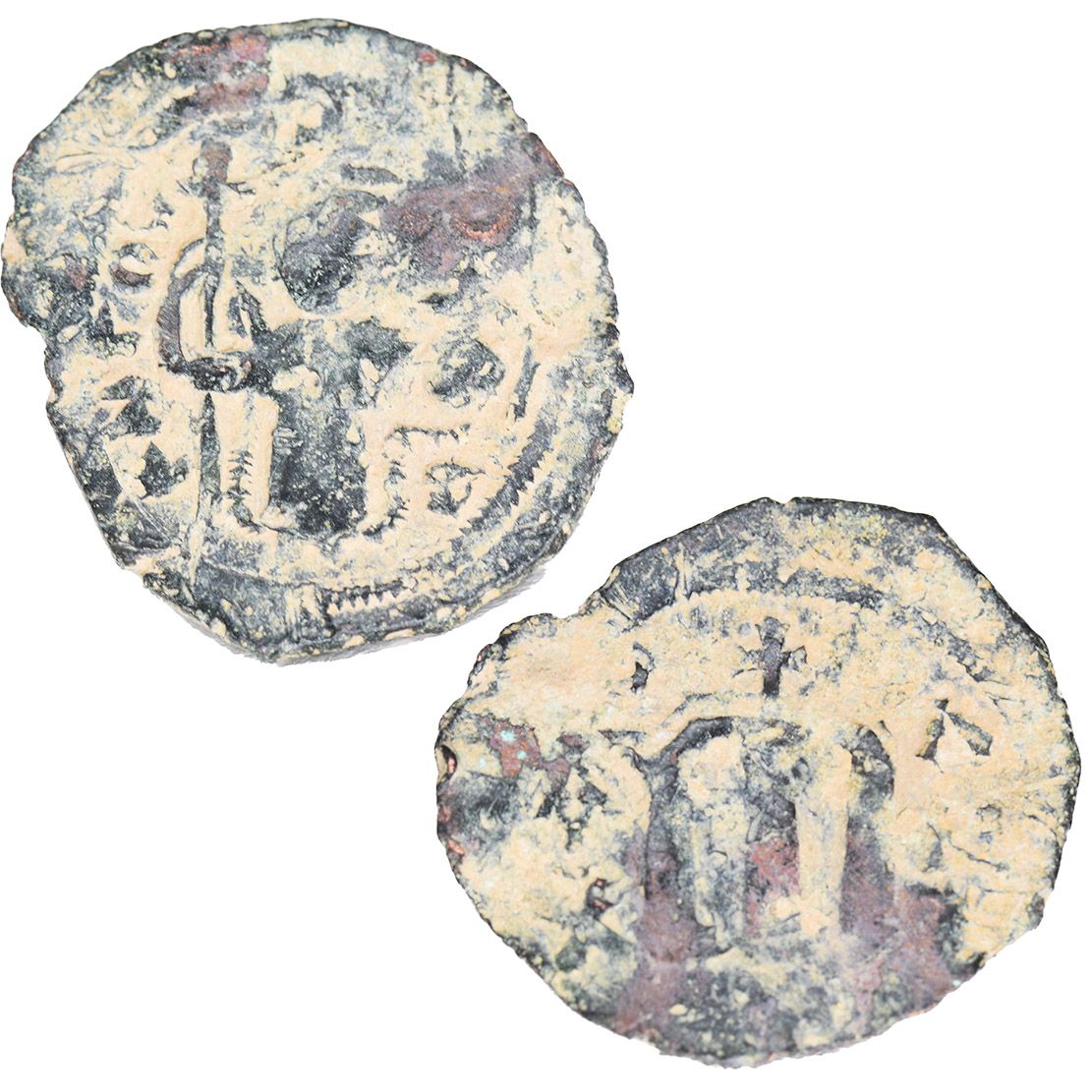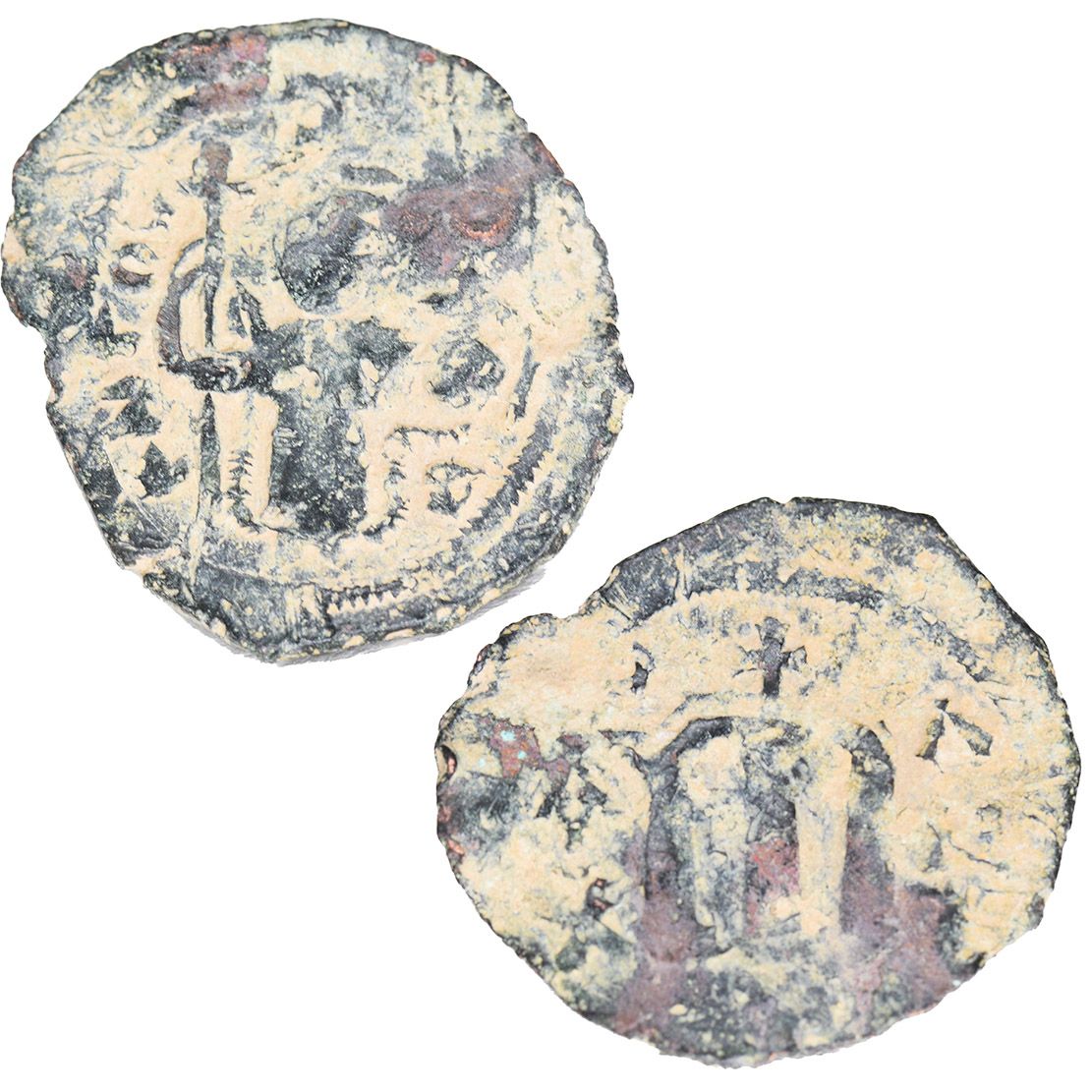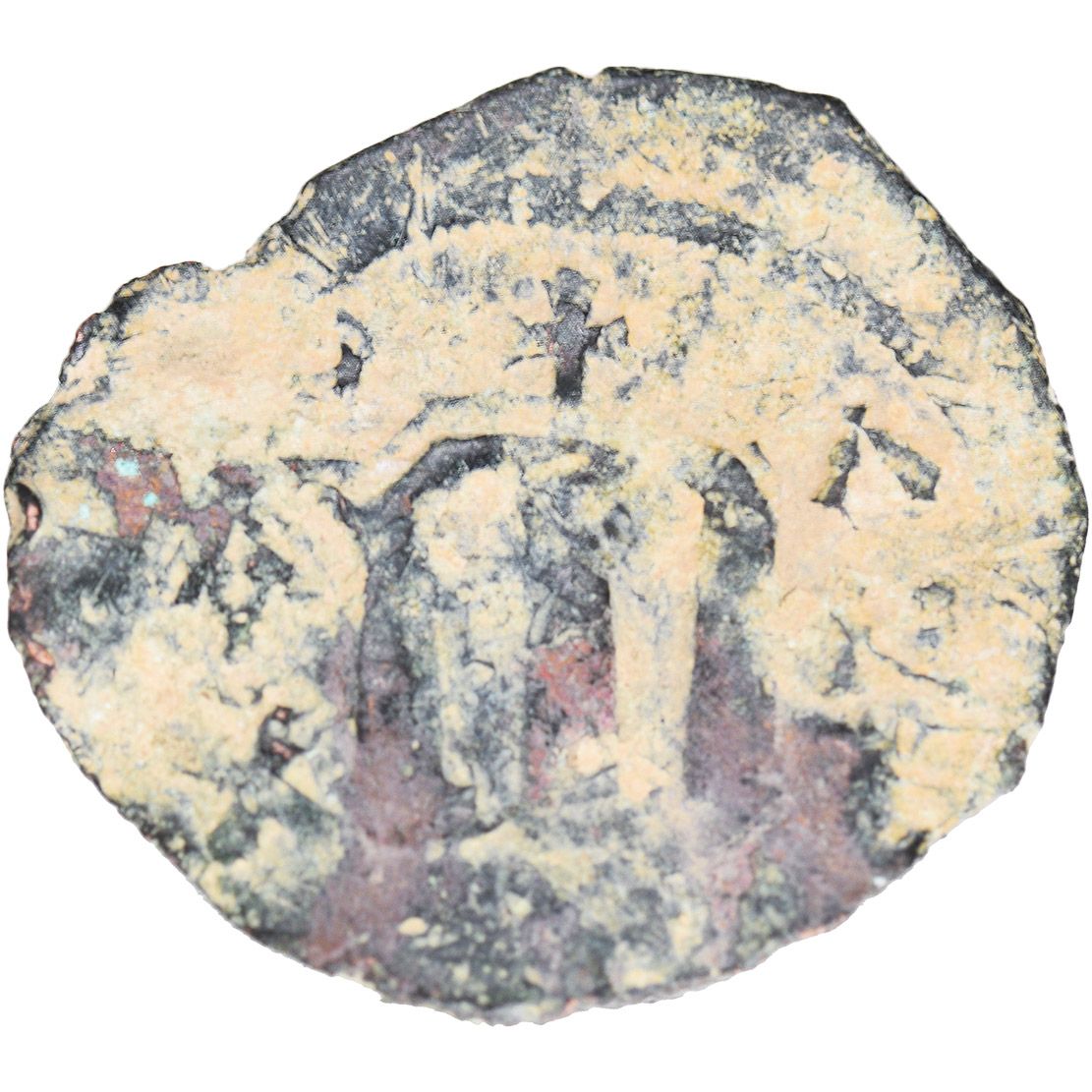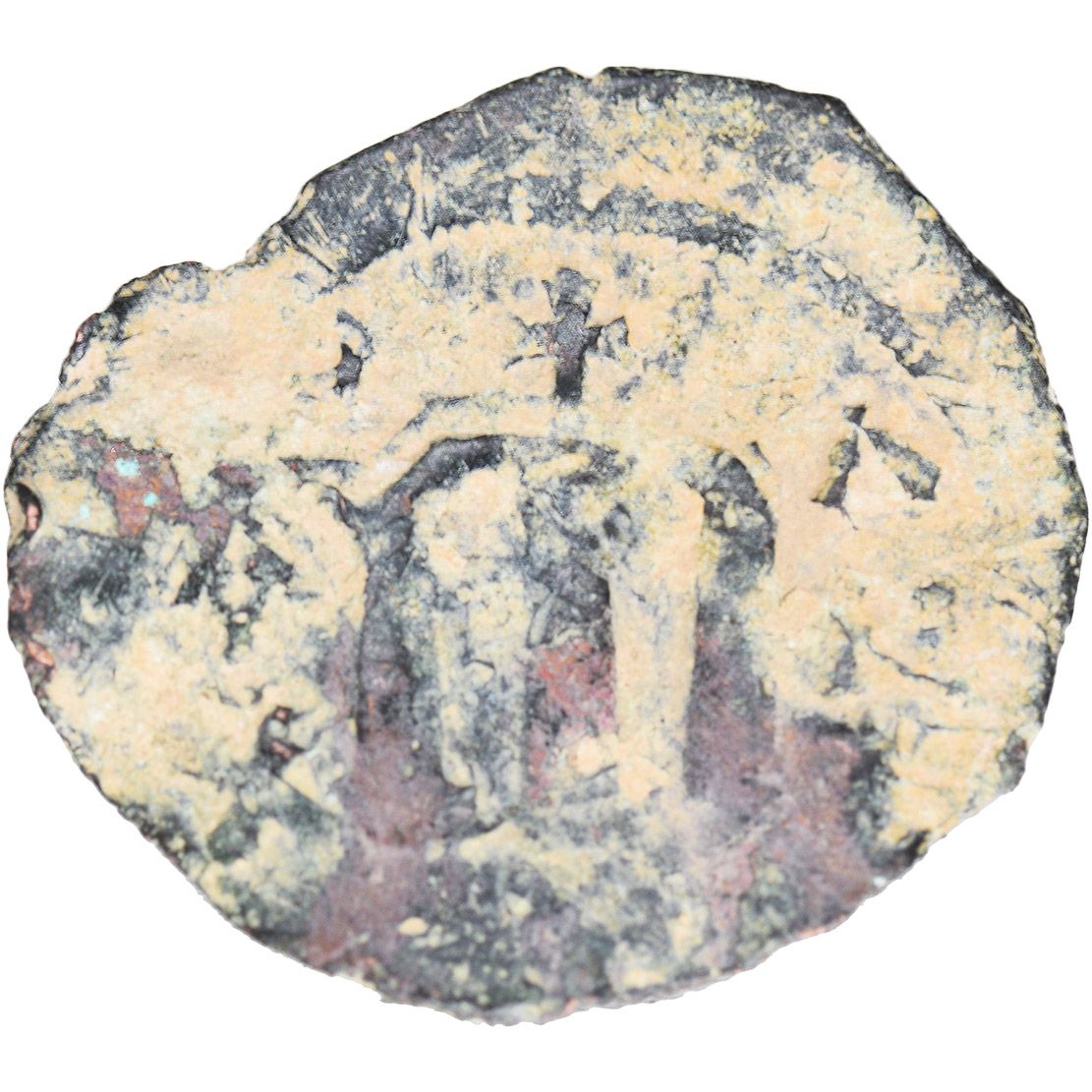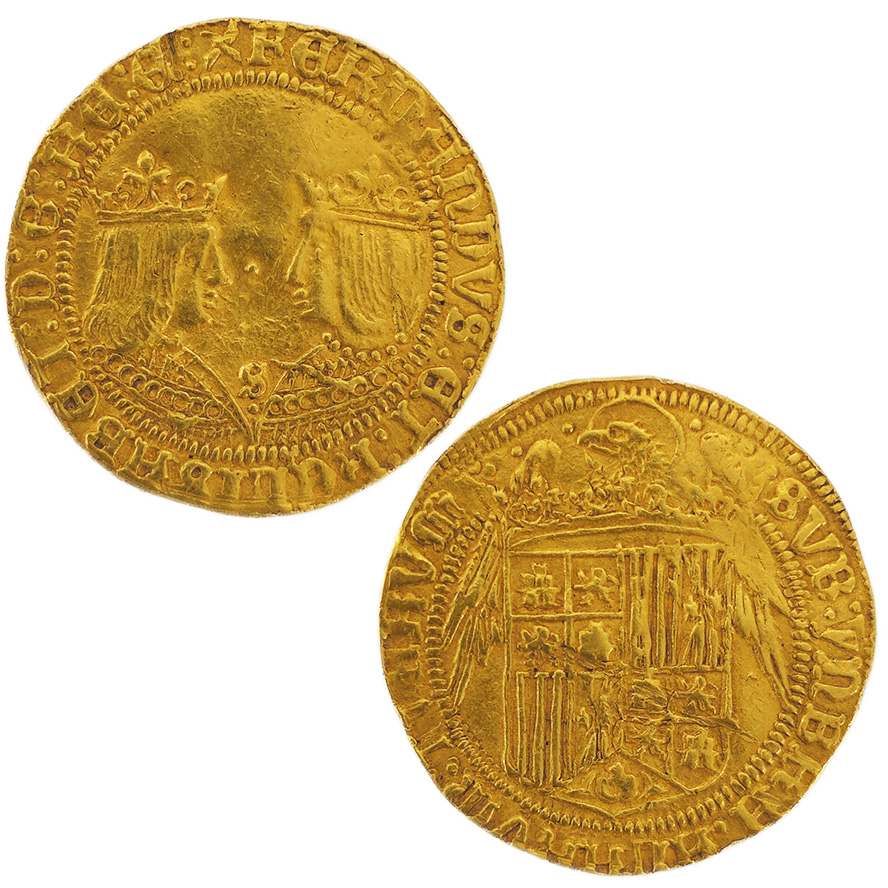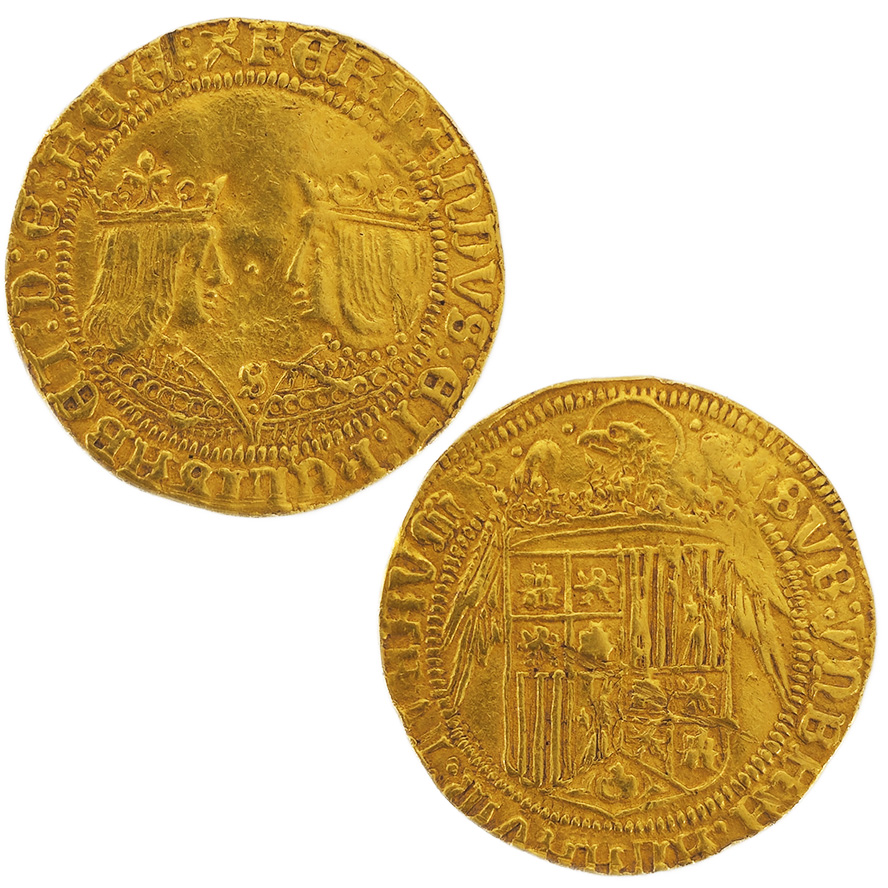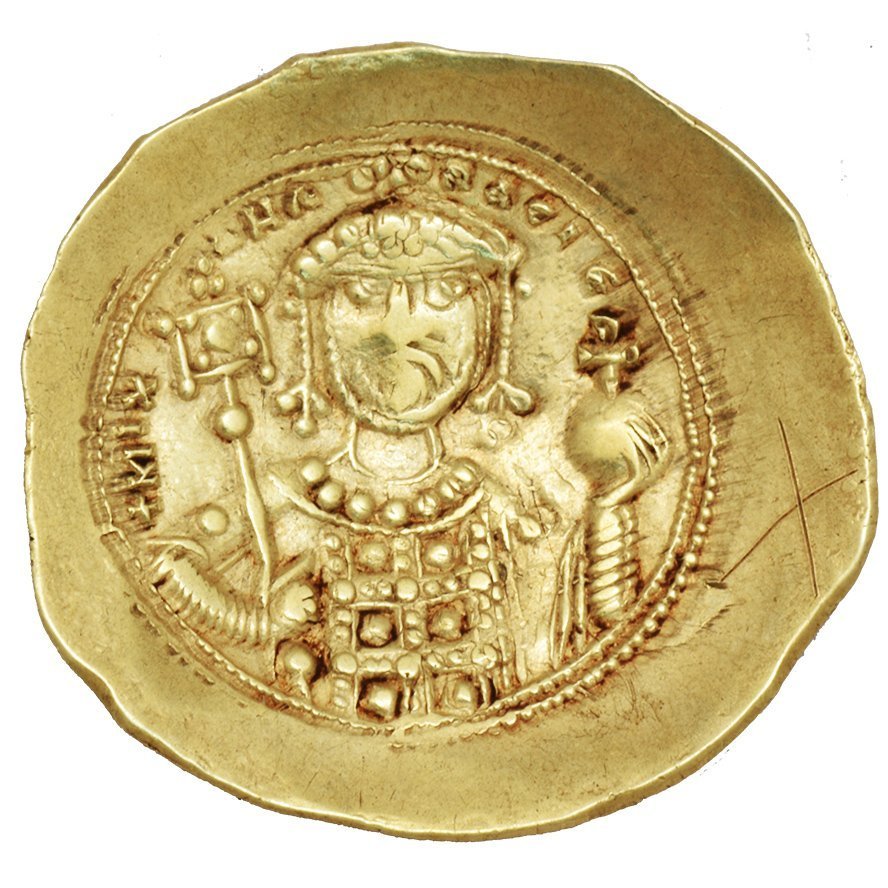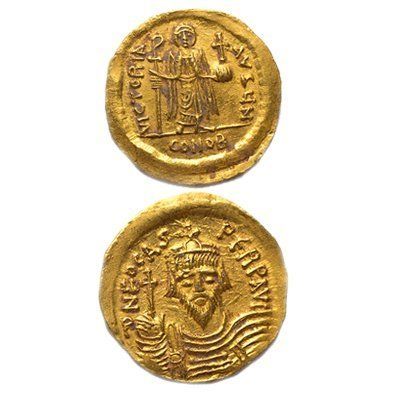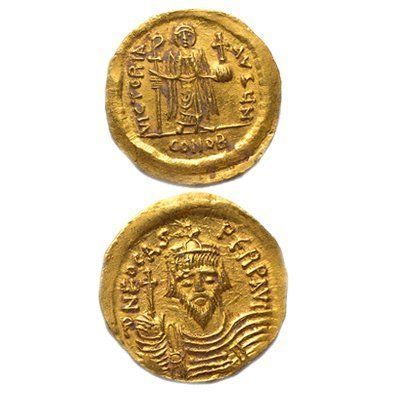



Ancient Gold Byzantine Coin – Emperor Phocas Sixth Century AD (602-610 A.D.)

Early Christian Byzantine Coins

Byzantine Coins: Early Christian Currency That Changed History

The Byzantine Empire transformed ancient coinage forever. Between 491 AD and 1453 AD, these remarkable coins became the first official currency to feature Christian symbols. Moreover, they established traditions that influenced Islamic coinage for centuries.

Today, collectors and historians recognize Byzantine coins as more than ancient currency. Furthermore, they represent a pivotal moment when Christianity merged with imperial power. Additionally, these coins offer tangible connections to early Christian communities.

This comprehensive guide explores Byzantine coinage from archaeological discoveries in Israel. Furthermore, you’ll discover how these coins evolved design conventions. Most importantly, you’ll learn why Byzantine coins remain both spiritual and financial investments.

The Byzantine Empire: Foundation of Christian Coinage

The Byzantine Empire emerged from the Eastern Roman Empire in 330 AD. However, distinctive Byzantine coinage began much later. Specifically, Emperor Anastasius I introduced significant changes in 491 AD. Consequently, Byzantine coins developed unique characteristics that separated them from Roman predecessors.

The empire lasted over 1,000 years until Constantinople fell in 1453 AD. During this period, Byzantine coins evolved continuously. Nevertheless, they maintained consistent Christian themes throughout their history. Therefore, these coins document the spread of Christianity across the Mediterranean world.

Byzantine coins of the early church

Byzantine coins served multiple purposes beyond commerce. Additionally, they functioned as political propaganda tools. Most importantly, they declared the Christian faith of the empire. Furthermore, they established the emperor’s divine authority through religious imagery.

Materials and Craftsmanship: Gold, Silver, and Bronze

Byzantine mints produced coins in three primary metals. Gold coins represented the highest denominations. Silver coins served middle-range transactions. Bronze coins handled everyday commerce.

Gold Solidi: The Premier Currency

Gold solidi became the backbone of Byzantine economy. These coins maintained consistent weight and purity. Furthermore, they featured the most elaborate Christian imagery. Additionally, gold coins traveled throughout the known world as trusted currency.

The 22-karat gold content ensured international acceptance. Moreover, Byzantine gold coins influenced coinage across Europe and Asia. Therefore, they established Constantinople as a major economic center.

Silver and Bronze: Everyday Christian Currency

Silver and bronze coins made Christian symbols accessible to common people. These coins featured crosses, angels, and Christian inscriptions. Furthermore, they spread Christian imagery throughout the empire daily.

Bronze follis coins were particularly significant. They featured large Christian symbols that everyone could recognize. Additionally, these coins often included Greek abbreviations for “Jesus Christ.” Therefore, they served as miniature evangelistic tools.

Revolutionary Design Conventions

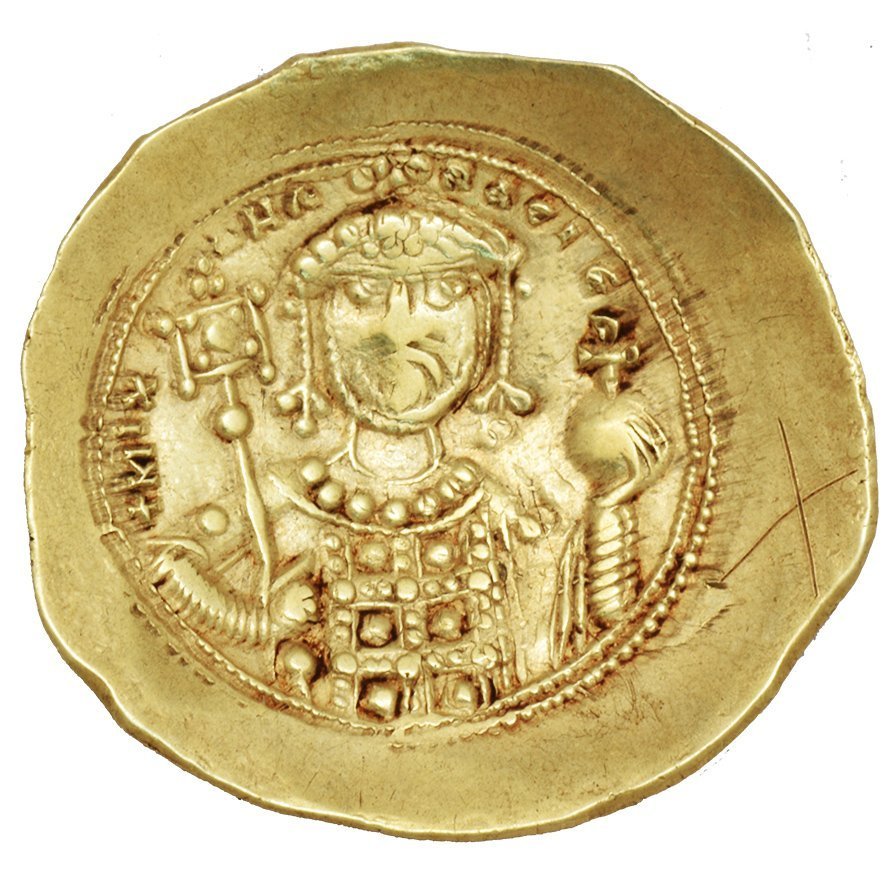
Byzantine coins established new artistic standards. The obverse typically featured the emperor’s portrait. However, Byzantine emperors appeared full-face rather than in profile. This change emphasized their divine connection.

The reverse side showcased Christian symbols consistently. Common images included crosses, angels, and victory figures. Furthermore, many coins featured Greek inscriptions declaring Christ’s sovereignty. Additionally, the phrase “Jesus Christ King of Kings” appeared frequently.

Imperial Portraiture Transformation

Earlier Roman coins showed emperors in profile. However, Byzantine coins presented full-face imperial portraits. This change reflected Christian artistic traditions. Moreover, it emphasized the emperor’s role as Christ’s representative on earth.

The full-face presentation created more intimate connections with viewers. Additionally, it allowed for more detailed facial features. Therefore, Byzantine coins achieved greater artistic sophistication than their Roman predecessors.

Christian Symbolism Integration

Byzantine coins seamlessly integrated Christian symbols with imperial imagery. Crosses appeared in various forms across denominations. Angels often carried victory wreaths or globes. Furthermore, many coins featured abbreviated Greek inscriptions.

The most common abbreviation was “IC XC NIKA,” meaning “Jesus Christ Conquers.” Additionally, “REX REGNANTIUM” appeared on some coins, declaring Christ as “King of Kings.” These inscriptions transformed coins into declarations of faith.

Justinian II’s Revolutionary Innovation

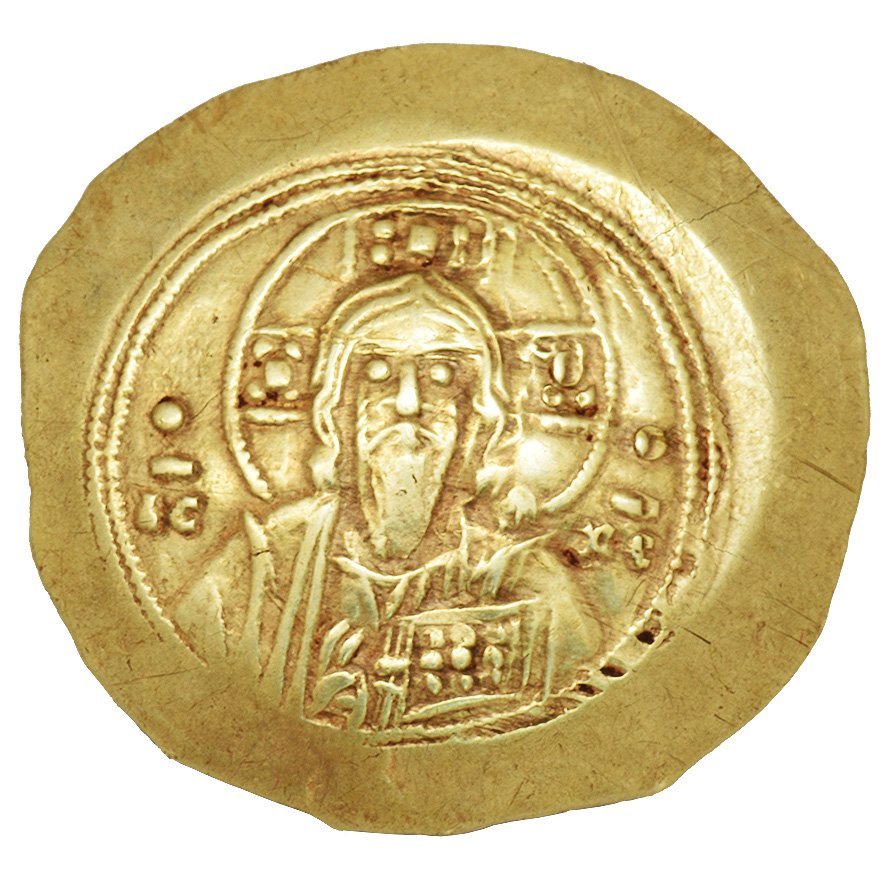
Emperor Justinian II (685-695 AD and 705-711 AD) revolutionized Byzantine coinage. His gold coins featured Christ’s bust on the obverse. This innovation broke centuries of imperial tradition. Furthermore, it declared Christ’s supremacy over earthly rulers.

The emperor’s portrait moved to the reverse side. This change emphasized Christ’s divine authority. Additionally, it established new precedents for Christian coinage. Therefore, Justinian II’s coins became theological statements cast in gold.

These innovations had unexpected consequences. The Islamic Caliph Abd al-Malik had previously copied Byzantine designs. However, Justinian II’s Christian imagery prompted Islamic coinage reforms. Consequently, Islamic coins developed distinctive styles using only Arabic lettering.

Theological Implications

Justinian II’s coins made profound theological statements. They declared Christ as the ultimate ruler. Furthermore, they positioned earthly emperors as Christ’s servants. Additionally, they established visual hierarchy between divine and human authority.

These coins influenced Christian art for centuries. They established iconographic standards for Christ’s portrayal. Moreover, they defended religious imagery during iconoclastic controversies. Therefore, they became important documents of Christian artistic tradition.

Archaeological Discoveries in Israel

Byzantine coins discovered in Israel provide remarkable historical insights. Archaeological excavations regularly uncover these ancient treasures. Furthermore, they reveal trade relationships between Byzantium and the Holy Land. Additionally, they document Christian presence in biblical locations.

Many coins feature excellent preservation due to Israel’s climate. Therefore, inscriptions and imagery remain clearly visible. Moreover, these discoveries connect directly to biblical narratives. Consequently, they offer tangible links to early Christian communities.

Jerusalem’s Byzantine Heritage

Jerusalem yields particularly significant Byzantine coin discoveries. These coins document Christian pilgrimage traditions. Furthermore, they reveal economic connections between Constantinople and the Holy City. Additionally, they demonstrate Byzantine influence in biblical locations.

Many coins discovered in Jerusalem feature Christian symbols. Crosses, angels, and Greek inscriptions appear frequently. Moreover, these discoveries document continuous Christian presence in the city. Therefore, they provide archaeological evidence for biblical Christianity.

Spiritual and Financial Investment Value

Byzantine coins offer unique investment opportunities. They combine historical significance with spiritual meaning. Furthermore, they represent tangible connections to early Christianity. Additionally, their limited availability ensures continued value appreciation.

These coins appeal to collectors, historians, and believers alike. Their Christian imagery resonates with faith communities. Moreover, their historical importance attracts academic interest. Therefore, they maintain strong demand across multiple markets.

Authentication and Provenance

Authentic Byzantine coins require proper documentation. Licensed dealers provide certificates of authenticity. Furthermore, they ensure legal export from discovery locations. Additionally, they guarantee historical accuracy of attributions.

Zak’s Antiquities holds proper licensing from Israeli authorities. All coins include export approval documentation. Moreover, each piece comes with detailed historical information. Therefore, buyers receive authentic artifacts with complete provenance.

Collecting Byzantine Coins: A Beginner’s Guide

Starting a Byzantine coin collection requires careful planning. Begin with bronze coins to understand basic types. Furthermore, research different emperors and their distinctive features. Additionally, establish relationships with reputable dealers.

Focus on coins with clear Christian symbols initially. These pieces offer immediate visual appeal. Moreover, they provide excellent educational value. Therefore, they form solid foundations for expanding collections.

Price Ranges and Availability

Byzantine coins span wide price ranges. Bronze coins start around $30-50. Silver coins typically range from $100-500. Gold coins command $900-1,500 or more. However, rarity and condition significantly affect pricing.

Common emperors like Justinian I offer affordable entry points. Furthermore, their coins feature excellent Christian imagery. Additionally, they provide solid historical documentation. Therefore, they represent excellent value for beginning collectors.

Connecting Ancient Faith to Modern Believers

Byzantine coins bridge ancient Christianity and contemporary faith. They demonstrate Christianity’s historical continuity. Furthermore, they provide tangible connections to early believers. Additionally, they illustrate how faith influenced entire civilizations.

These coins inspire modern Christians through their bold declarations. The phrase “Jesus Christ King of Kings” resonates across centuries. Moreover, the Christian symbols encourage contemporary believers. Therefore, they serve as powerful testimonies to enduring faith.

Many pastors and teachers use Byzantine coins in educational settings. They illustrate how Christianity spread throughout ancient empires. Furthermore, they demonstrate faith’s influence on daily life. Additionally, they provide concrete examples of Christian cultural impact.

Preserving Christian Heritage Through Numismatics

Byzantine coins preserve irreplaceable Christian heritage. They document how early Christians expressed their faith publicly. Furthermore, they reveal the courage required to declare Christian beliefs. Additionally, they demonstrate Christianity’s transformative power over ancient cultures.

Modern collectors become stewards of this heritage. By preserving these coins, they protect Christian history. Moreover, they ensure future generations can study these artifacts. Therefore, collecting Byzantine coins serves both personal and cultural purposes.

Each coin tells unique stories about ancient Christian communities. They reveal how faith influenced art, politics, and economics. Furthermore, they document Christianity’s spread across the Mediterranean world. Additionally, they provide windows into early Christian daily life.

Your Journey Into Byzantine Christian History

Byzantine coins offer extraordinary opportunities to connect with early Christian history. These remarkable artifacts demonstrate how faith transformed ancient civilizations. Furthermore, they provide tangible links to believers who courageously declared Christ’s sovereignty.

Whether you’re a collector, historian, or believer, Byzantine coins enrich understanding of Christian heritage. They reveal how ancient Christians integrated faith into daily life. Moreover, they inspire modern believers through their bold declarations of Christ’s kingship.

Explore Zak’s Antiquities’ carefully curated collection of authentic Byzantine coins. Each piece comes with proper documentation and historical context. Furthermore, direct shipping from Jerusalem ensures authentic provenance. Most importantly, these coins offer lasting connections to the early Christian communities that shaped our faith.

Begin your journey into Byzantine Christian history today. Discover how these remarkable coins transformed ancient currency into declarations of faith. Furthermore, experience the joy of holding artifacts that connected early Christians across vast empires.

Showing all 12 results

  • Ancient Gold Byzantine Coin – Emperor Phocas Sixth Century AD (602-610 A.D.)

    Exploring the Iconography: King and Angelic Victory on a Byzantine Treasure

    • Ancient gold coin from Byzantine era.
    • Features Emperor Phocas, 602-610 A.D.
    • Side A: Image of the Byzantine King.
    • Side B: Angel with Victory for Constantinople.
    • Authentic piece from an Israeli dealer.
    • Rare artifact from the sixth century.
    Add to cart
    0 out of 5
    $1,440.00
    Quick View
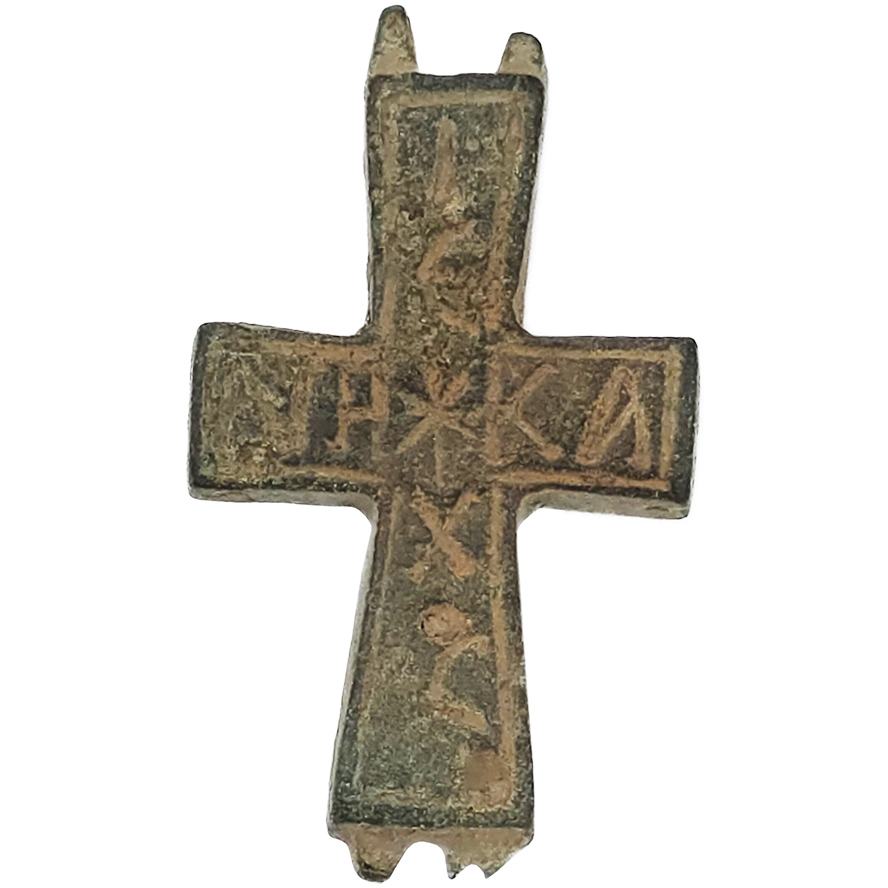
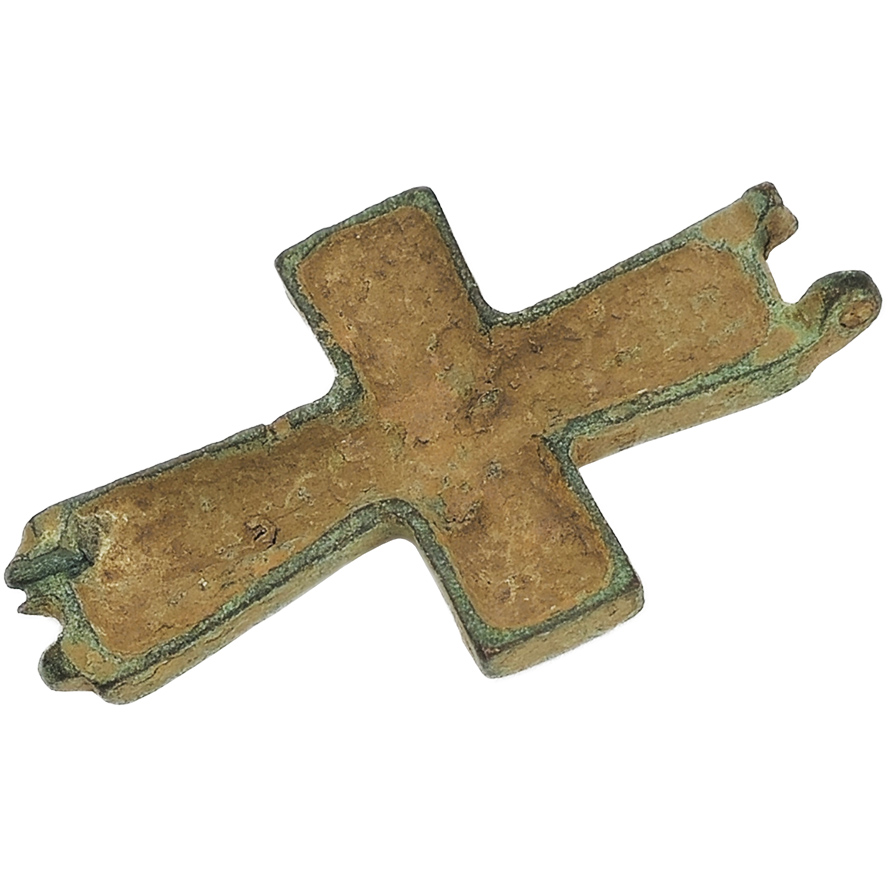
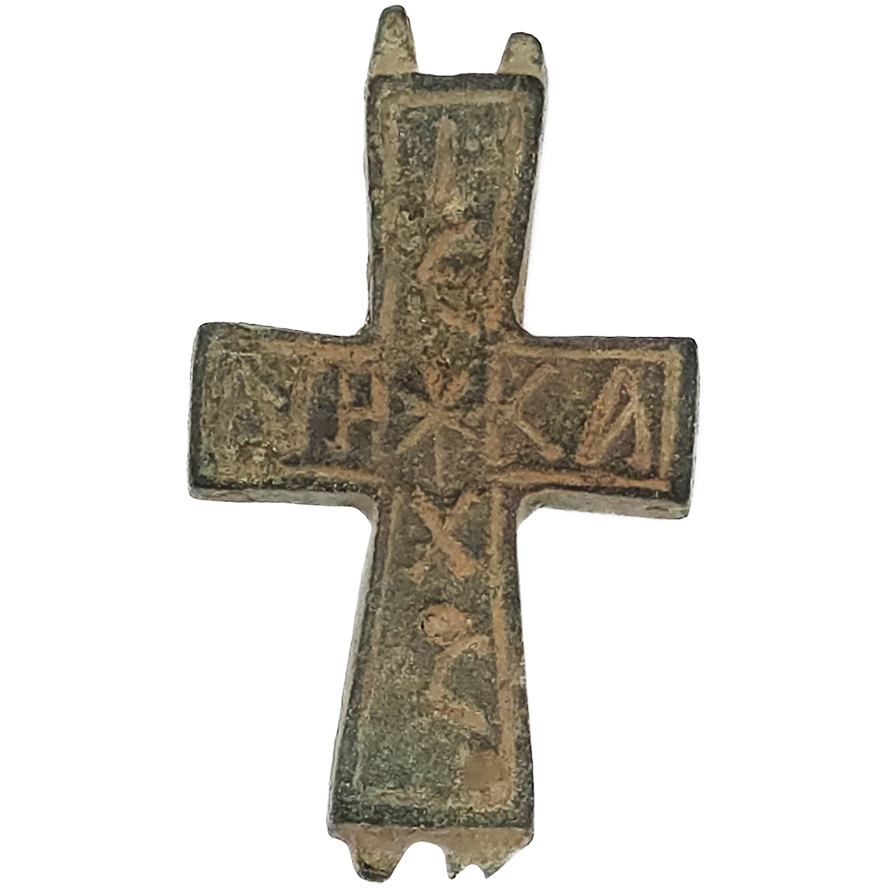
  • Bronze Byzantine Cross Engraved with IC XC NI KA

    Jesus Christ Has Conquered on Ancient Cross


    • 7th Century AD cross.
    • Ancient letters engraved on it.
    • Length 1.7″ width 1″.
    • Certificate of Authenticity is Included.


    Read more
    0 out of 5
    $640.00
    Quick View
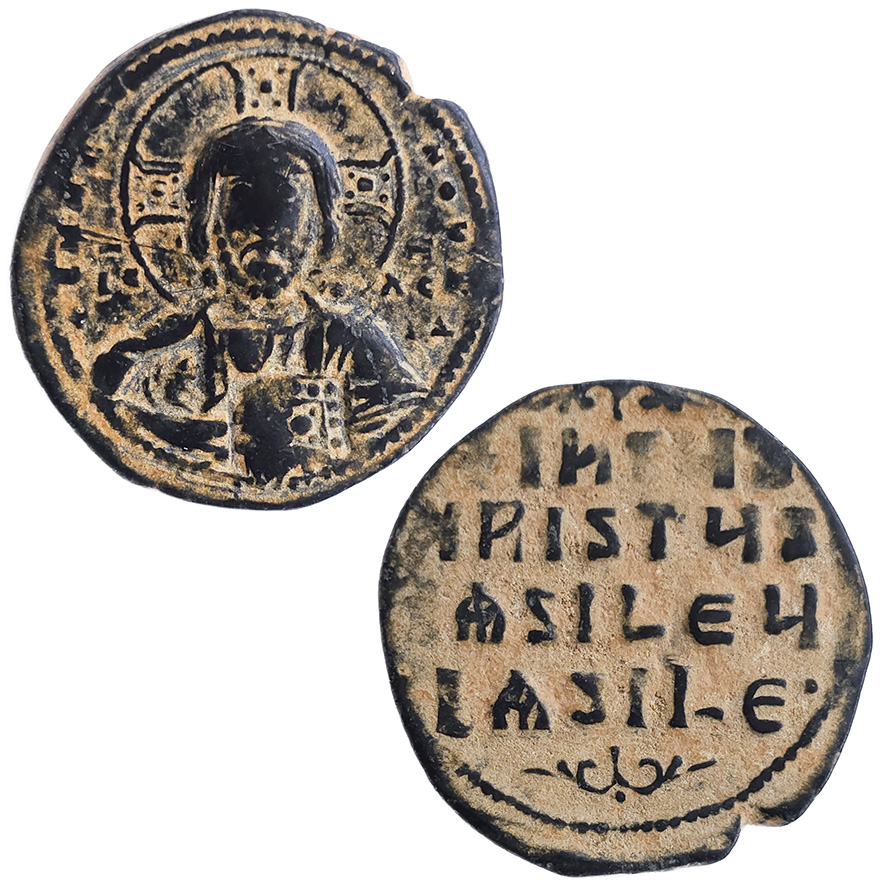
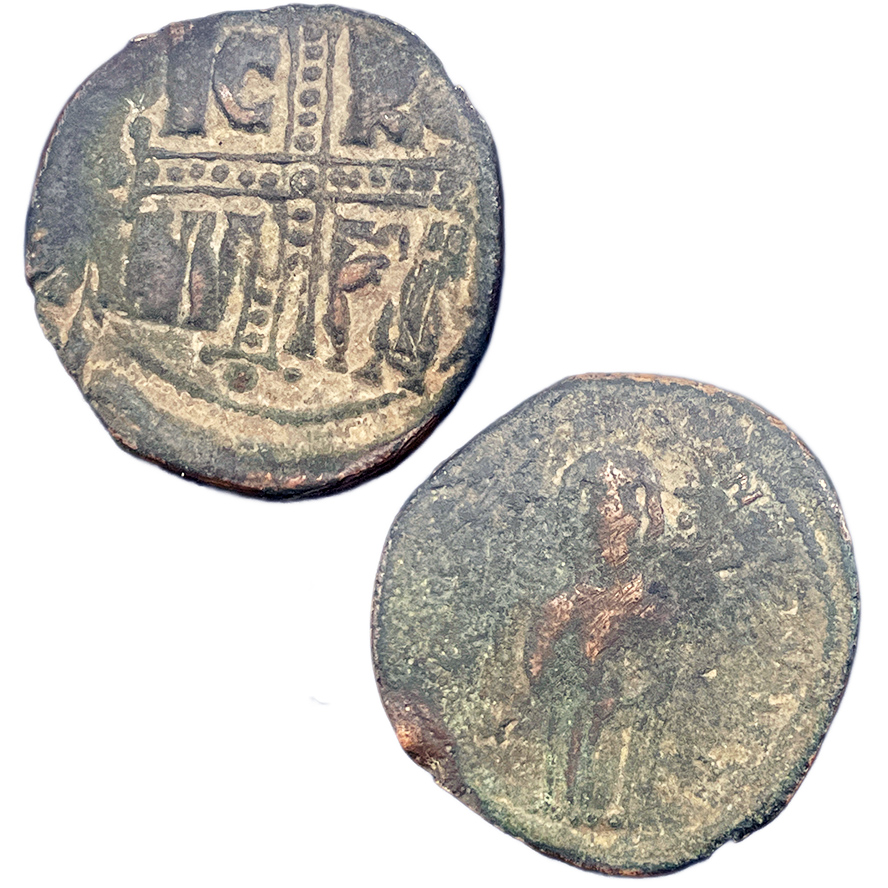
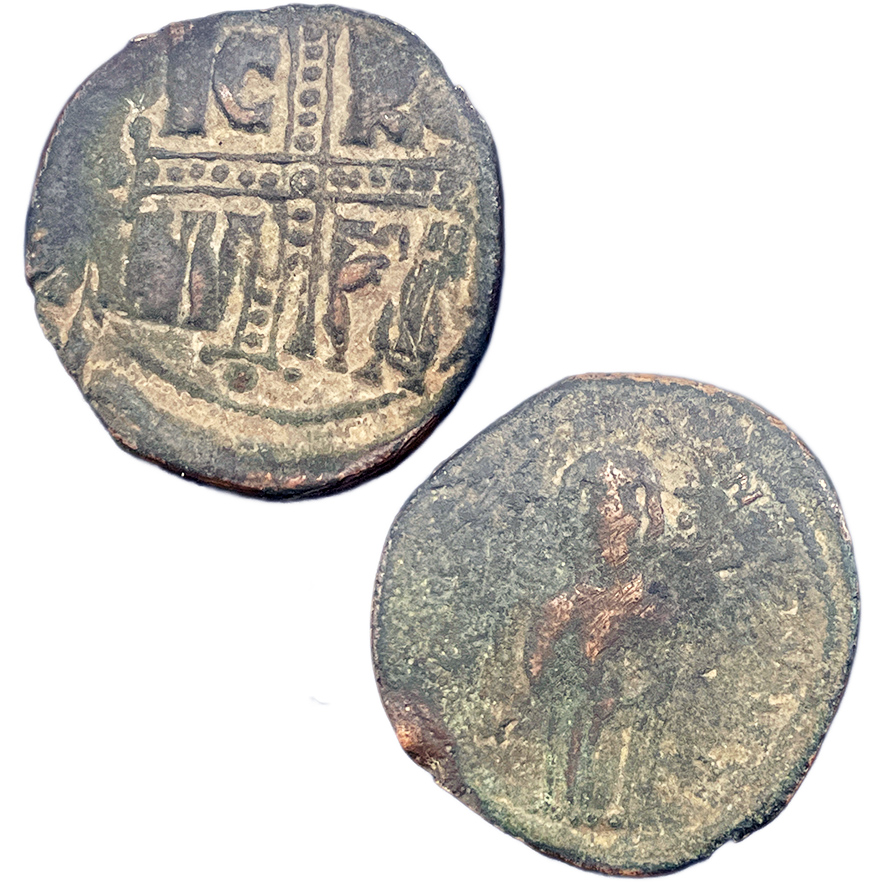
  • Byzantine Bronze Coin with the Image of Christ

    Jesus image on ancient coin.

    • Byzantine follis 1.5′ Inch wide.
    • Side A Jesus image Standing.
    • Bronze coin used in the 9th century.
    • IC XC NIKA Jesus Christ has conquered.
    • abbreviated form of the ancient Greek.
    Add to cart
    0 out of 5
    $145.00
    Quick View
  • Byzantine Coin of King Justinian – Fifth Century in Jerusalem

    King or St Justinian byzantine coin found in Jerusalem.


    • King Justinian 5th century AD.
    • Bust of St Justinian holding the Cross.
    • “M” is number 40 follis.
    • Byzantine Empire in the Middle East.
    • Includes a certificate of authenticity.


    Add to cart
    0 out of 5
    $30.00
    Quick View
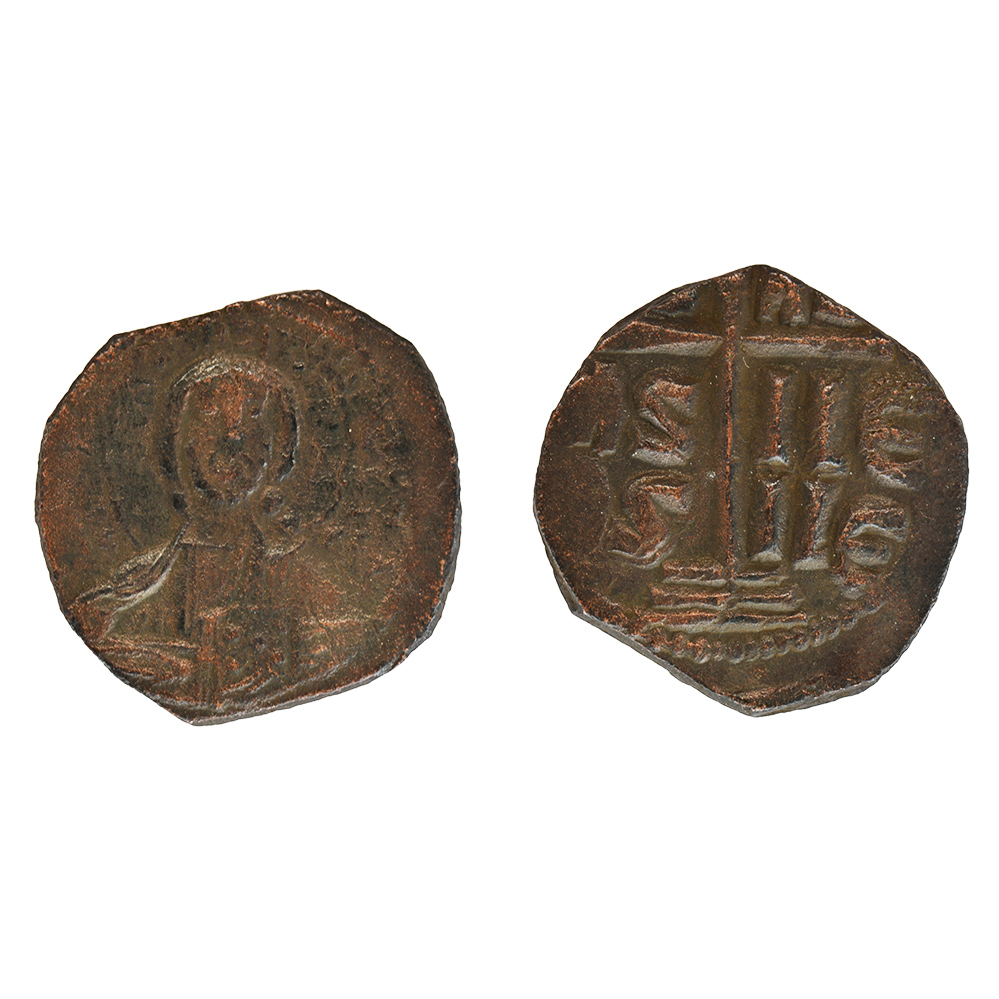
  • Byzantine Coin Stamped with “Jesus Christ King of Kings”

    Byzantine Coin Unearthed in Israel: A Glimpse into 9th Century Devotion

    <

    • 9th-century Byzantine coin found in Israel.
    • Side A: Christ Pantocrator depicted in detail.
    • Side B: Inscription “Jesus Christ King of Kings.”
    • Features a cross on three steps on Side B.
    • Coin reflects Byzantine Jesus Christ King of Kings coin.
    • Significant artifact for historical studies.
    Add to cart
    0 out of 5
    $150.00
    Quick View
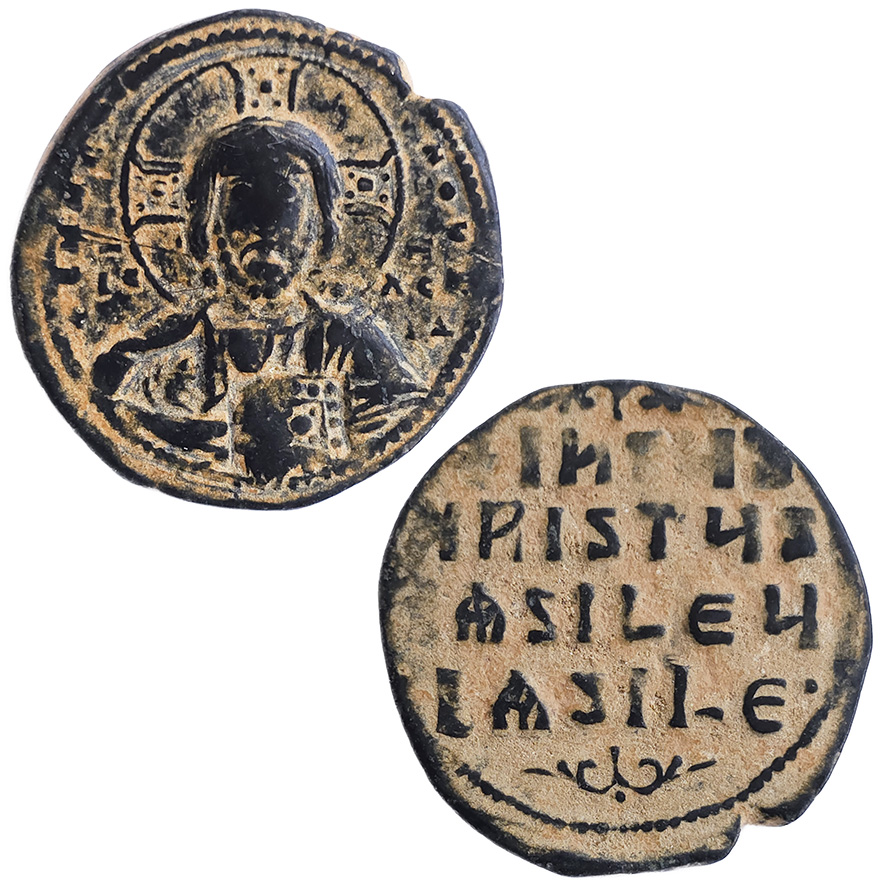
  • Byzantine Coin Stamped with “Jesus Christ The Pantocrator”

    Byzantine coin with Greek inscription reading, “Jesus Christ King of Kings”.

      ● XF Coin bearing image of Christ the Pantocrator.
      ● Stamped by Christ King of Kings.
      ● 8th century ancient coin.
      ● Metal bronze / width 1.5″ inch.
      ● Certificate of authenticity included.

    Add to cart
    0 out of 5
    $750.00
    Quick View
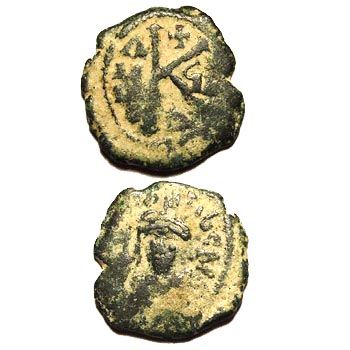
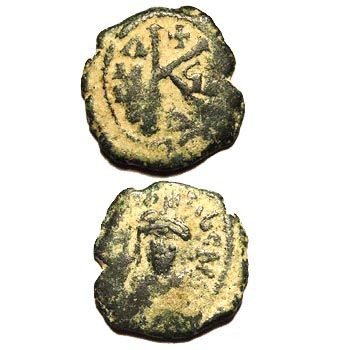
  • Byzantine Coin with Christian Symbols – King Justinian

    Ancient A.D. bronze Byzantine coin with Christian symbols

    • Byzantine Empire coins.
    • King Justinian 6th century AD.
    • Twenty Follis as its Marked with K.
    • Includes a certificate of authenticity.
    Add to cart
    0 out of 5
    $35.00
    Quick View
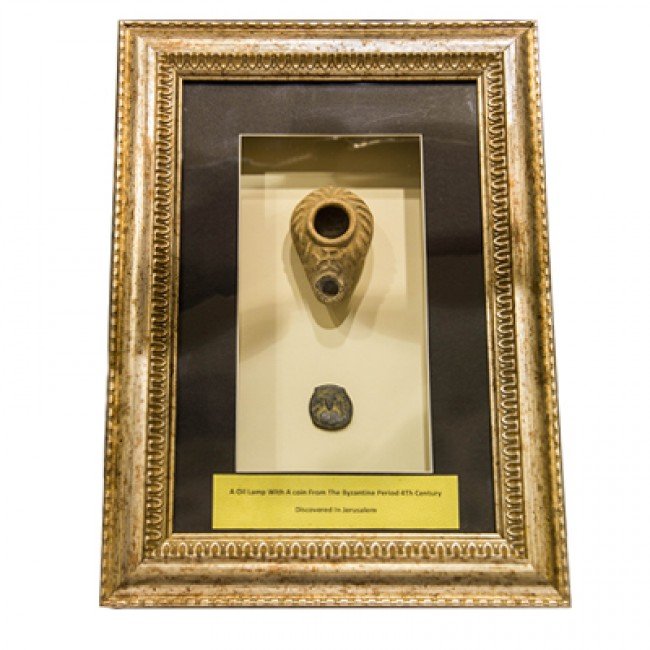
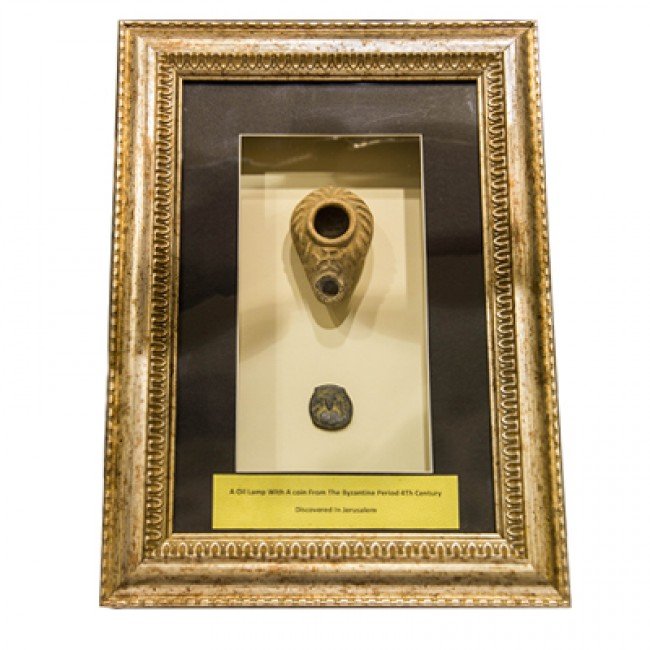
  • Byzantine Oil Lamp and Coin – Set in a Frame

    Byzantine set in a beautiful frame

    Includes an authentic Byzantine oil lamp with a cross decoration in the center, and a large bronze coin of Justinian I (6th Century A.D.)

    Comes with a certificate of authenticity and all required documents for export.

    A great set from the period of Early Christianity!
    Add to cart
    0 out of 5
    $449.95
    Quick View
  • Gold Byzantine Coin – Christ the Pantocrator – Χριστὸς Παντοκράτωρ

    Ancient coins with the image of Christ.

    • Byzantine gold coin.
    • Image or Icon of Christ.
    • Width: 1″ inch Weight 4.2 Grams.
    • Stamped with “IC XC” Jesus Christ.
    • Certificate of authenticity.
    Add to cart
    0 out of 5
    $1,550.00
    Quick View
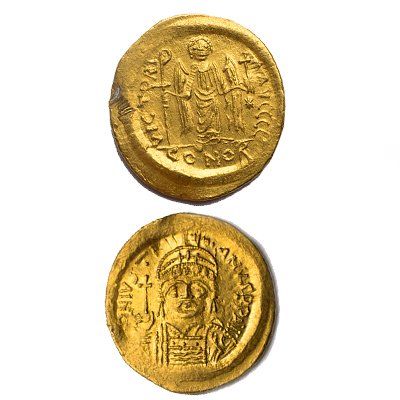
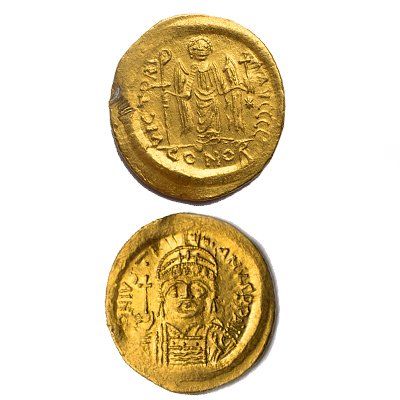
  • Gold Byzantine Coin – King Maurice Tiberius (582-602 A.D.)

    Authentic solid Byzantine gold coin of Maurice Tiberius (582-602 A.D.)

    Emperor of the Byzantine empire, and the last emperor of the Justinian Dynasty.

    Minted in Constantinople (CONOB).

    Add to cart
    0 out of 5
    $900.00
    Quick View
  • King Justinian Bronze Byzantine Coin with Christian Symbols

    Ancient A.D. bronze byzantine coin with Christian symbols.

    “K” is the number 10, indicating the amount of the coin.

    Good condition.

    Comes with a certificate of authenticity and all required documents for export approval.

    Add to cart
    0 out of 5
    $49.95
    Quick View
  • King Justinian Gold Coin for Sale

    Authentic 22K Gold Coin with Certificate and Stand from Authorized Jerusalem Dealer

    • Ancient Byzantine gold coin from the 6th century
    • 22K gold coin featuring Emperor Justinian
    • Emperor Justinian built the Church of the Nativity
    • Authorized antiquity dealer located in Jerusalem
    • Includes a certificate of authenticity for assurance
    • Comes with a stand for elegant display
    Add to cart
    0 out of 5
    $1,350.00
    Quick View
Top
X