
...

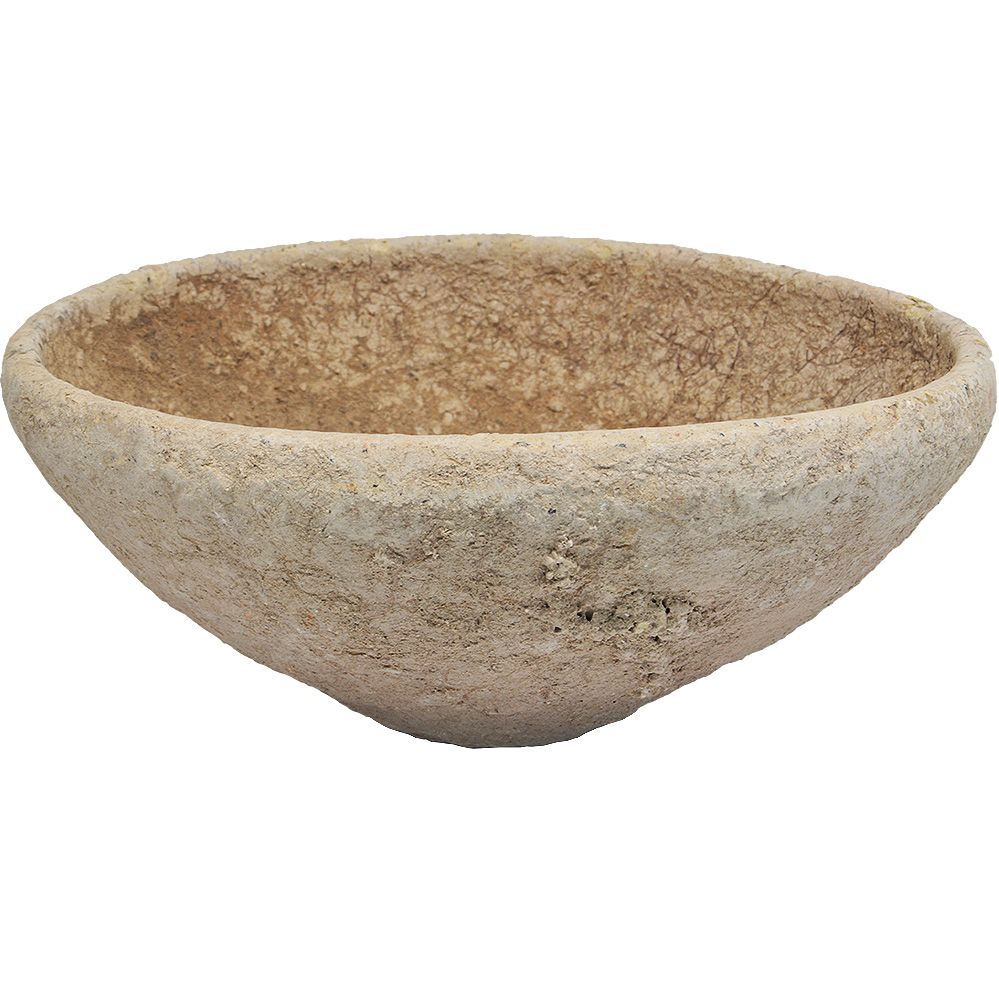
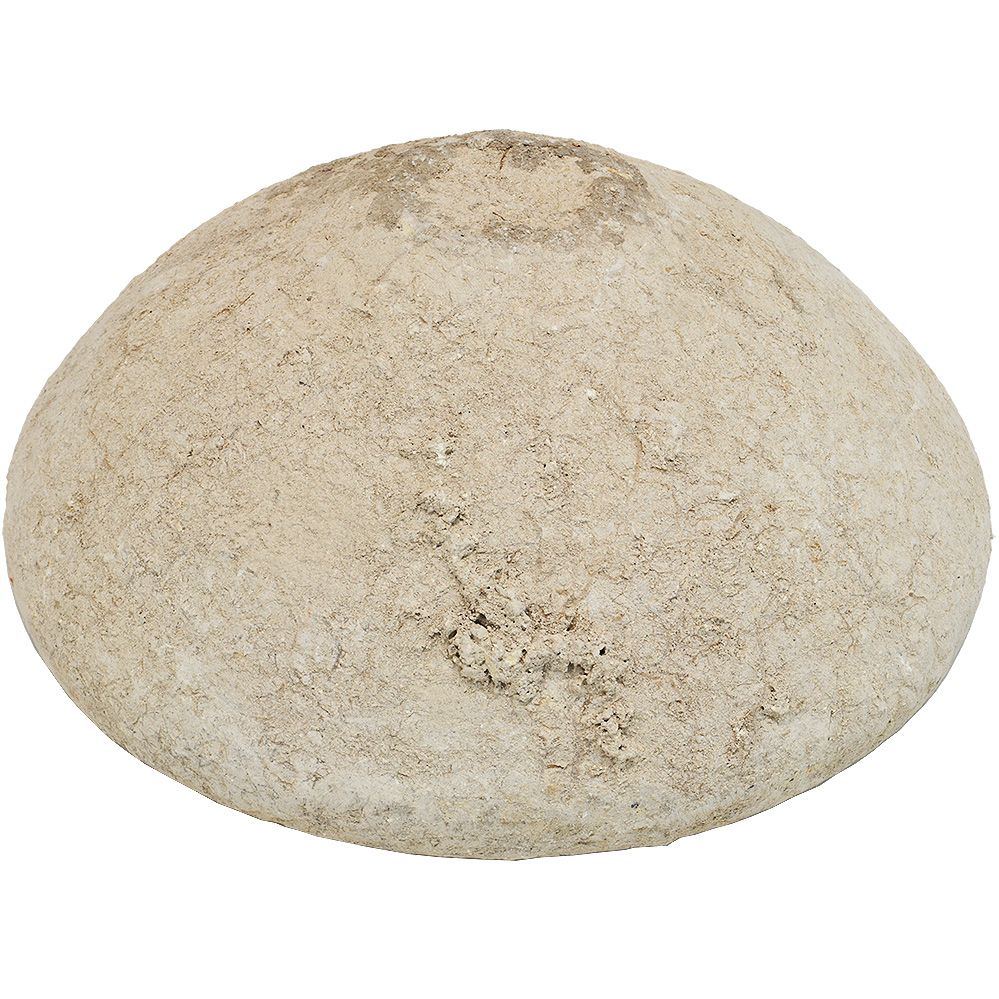
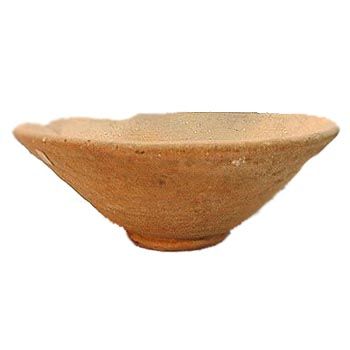
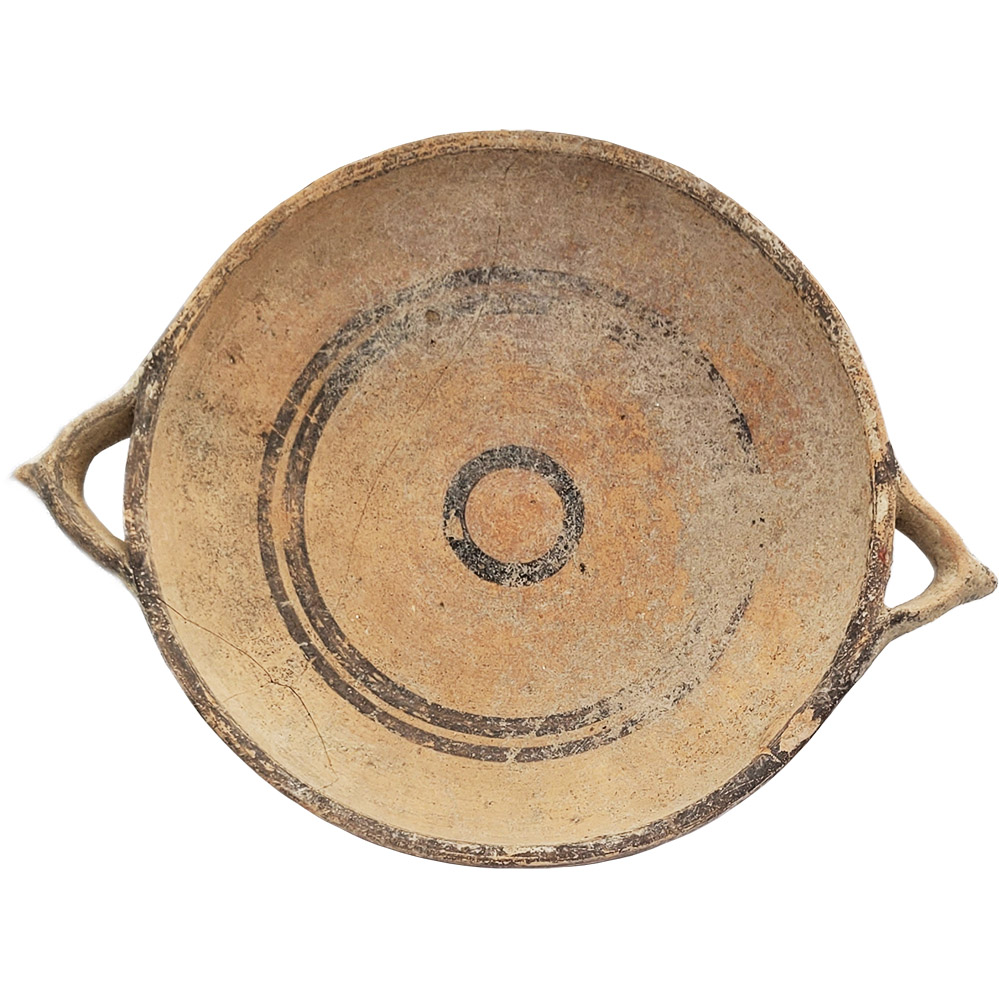
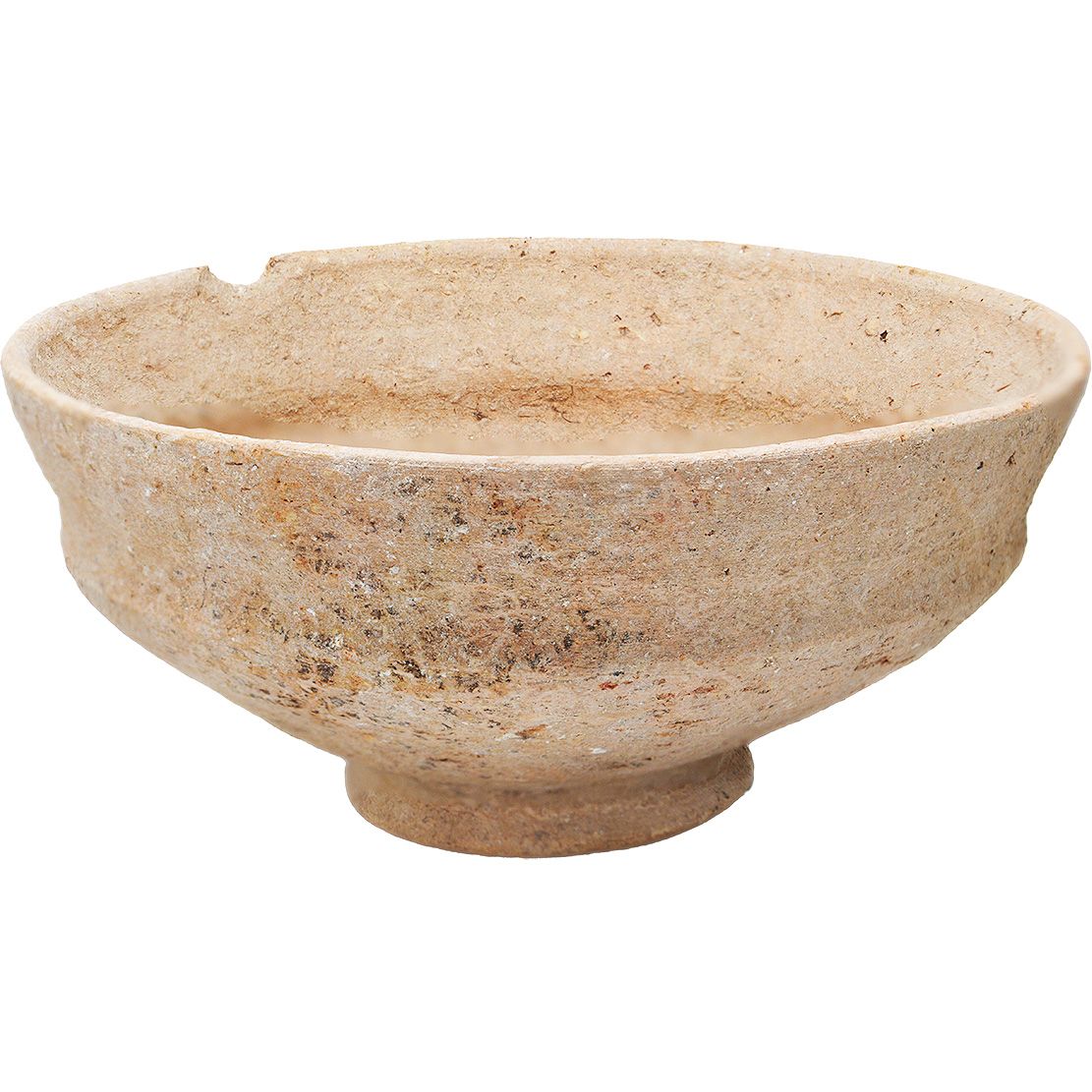
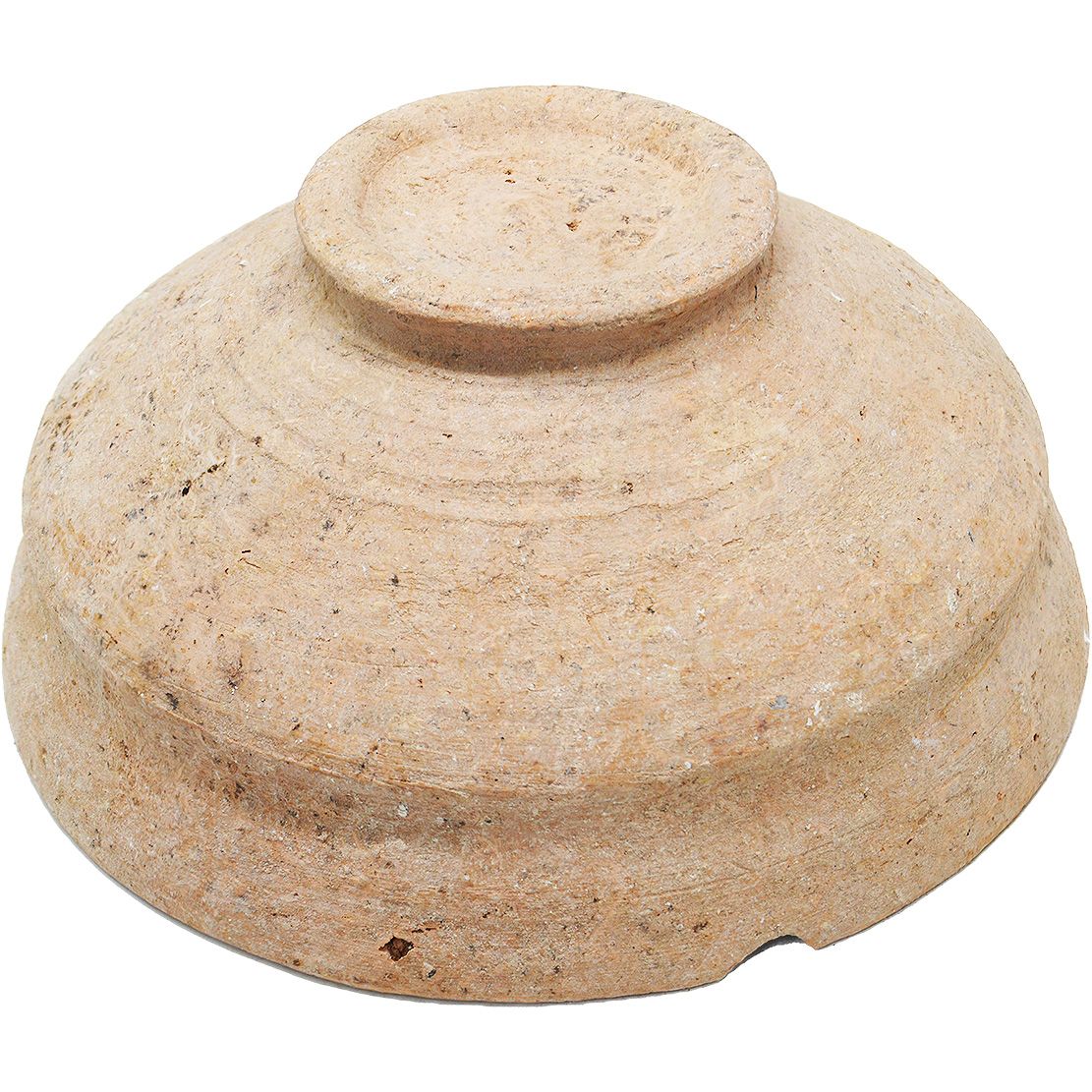
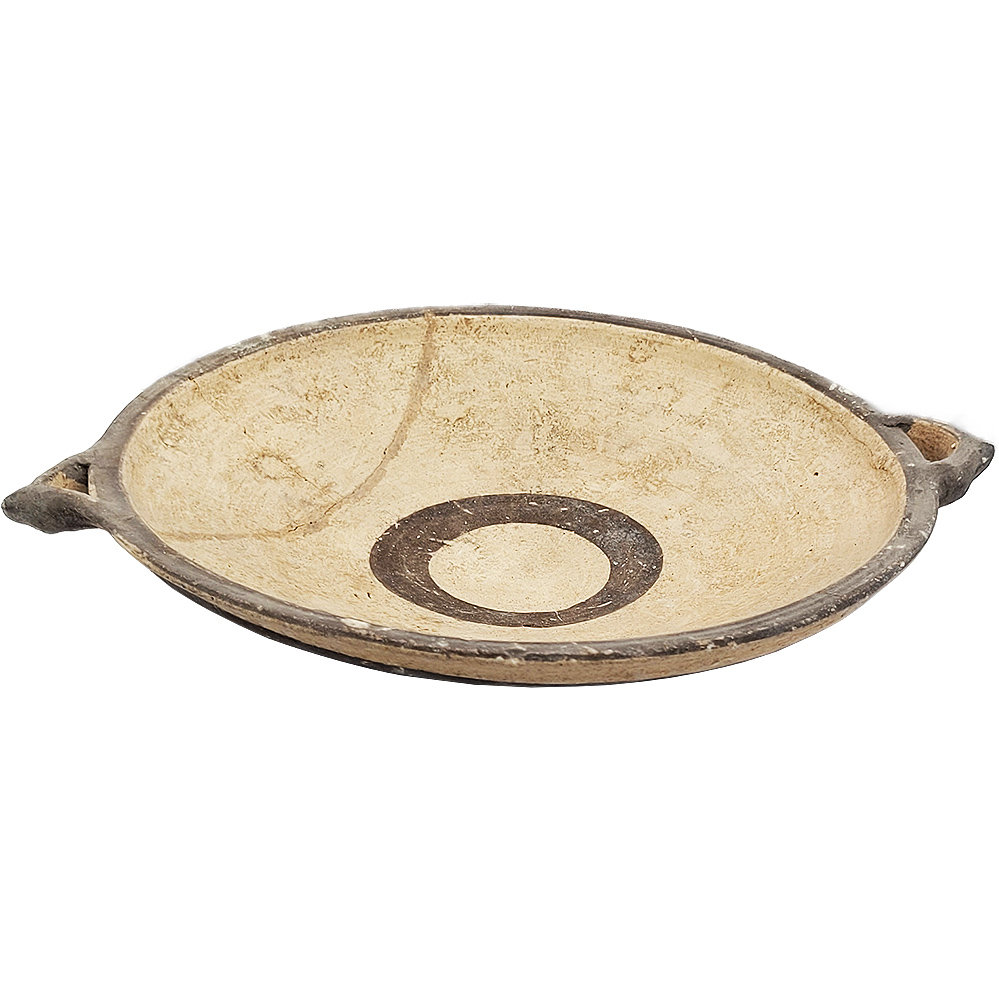
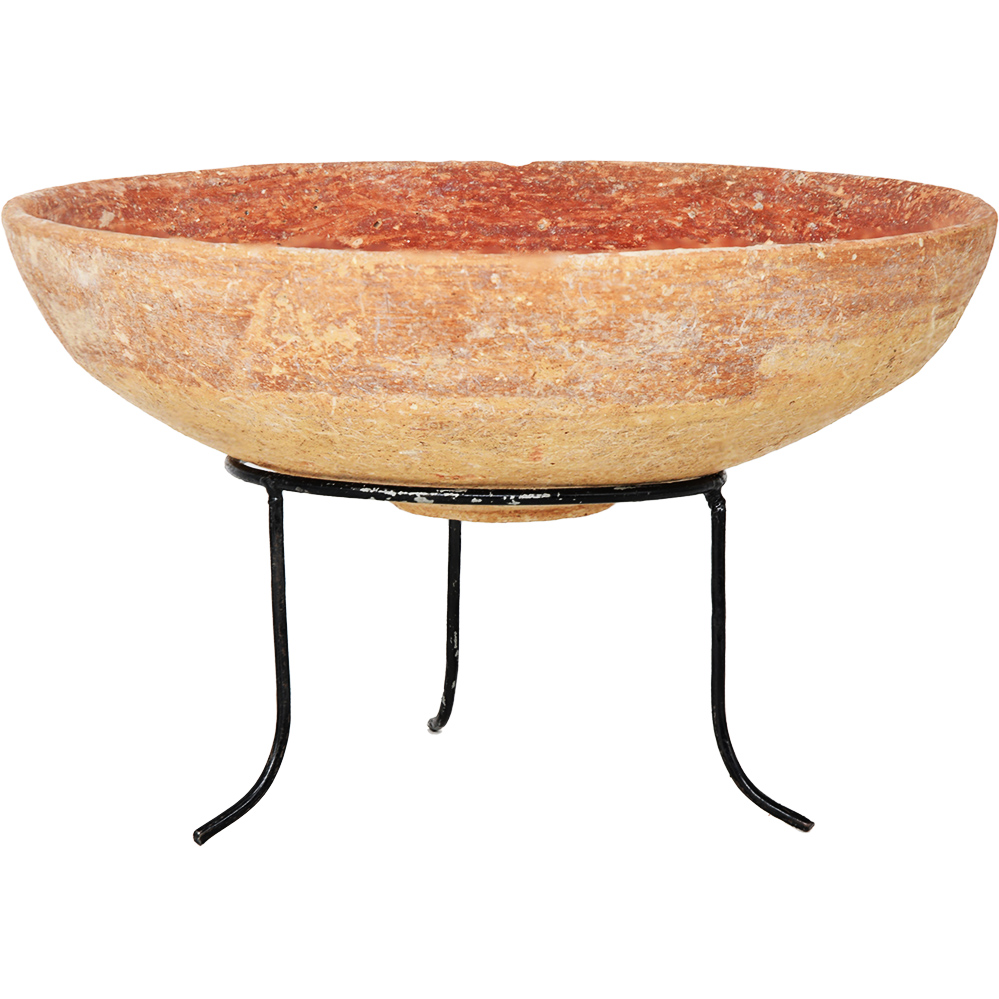
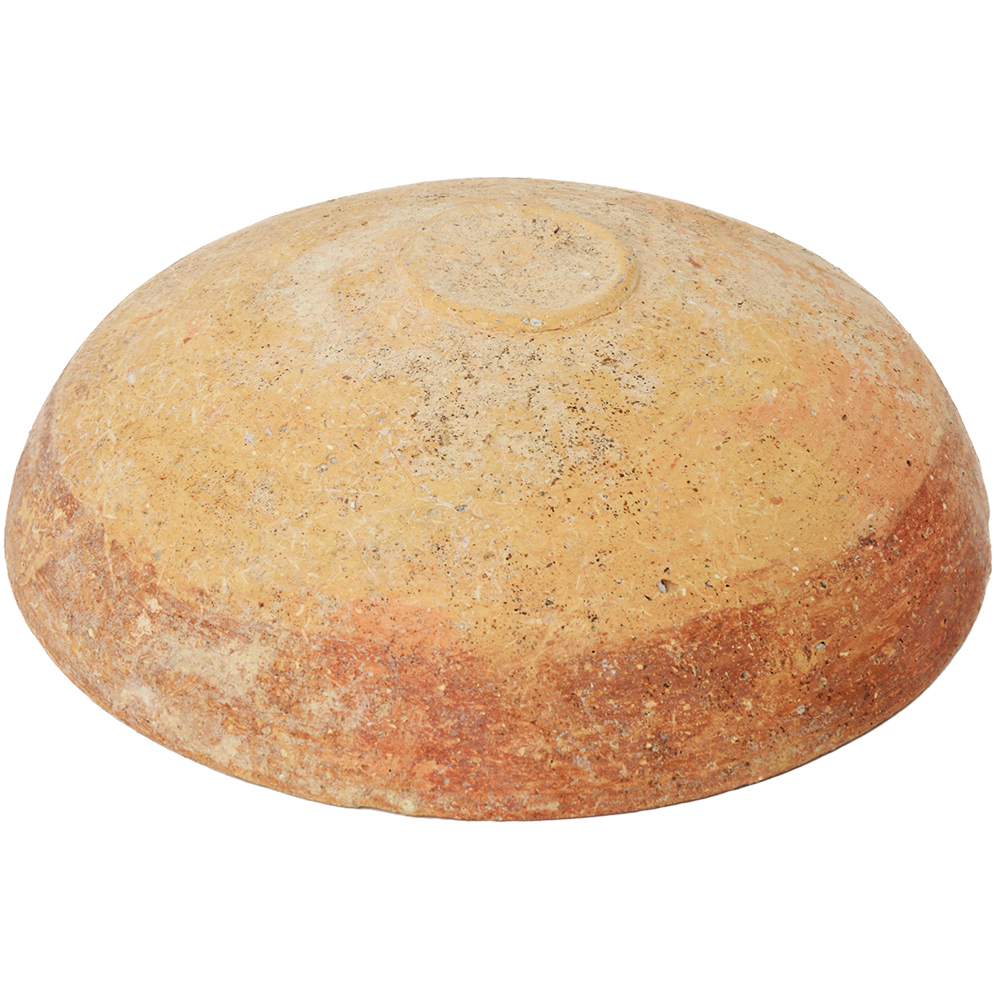
Abrahamic Period – Middle Bronze Age Bowl – Biblical Pottery from Israel

Bowls and Plates

Ancient Pottery of Biblical Israel: Bowls and Plates from the Exodus to Early Christianity

The land of Israel, a crossroads of civilizations and faiths, has yielded some of the most significant archaeological treasures in the world. Among these, ancient pottery—particularly bowls and plates—offers a tangible connection to the daily lives of people from the time of the Patriarchs through to the early followers of Jesus.

  • Authentic pottery from Biblical Israel periods
  • Artifacts from Canaanite to Roman Periods
  • Licensed dealer based in Jerusalem, Israel
  • Includes Israel Antiquities Authority approval
  • Certificate of authenticity with every item
  • Secure worldwide shipping direct from Jerusalem

These humble yet essential items were not only utilitarian but also carried cultural, religious, and artistic significance. Zak’s Antiquities, a licensed antiquities dealer based in Jerusalem, specializes in authentic Biblical pottery, including bowls and plates dating from the Canaanite period through to the Roman occupation.

Each artifact is accompanied by export approval from the Israel Antiquities Authority and a certificate of authenticity, ensuring collectors and historians alike receive genuine pieces of history.

From Abraham to Jesus: Timeless Artifacts from the Bronze and Iron Ages

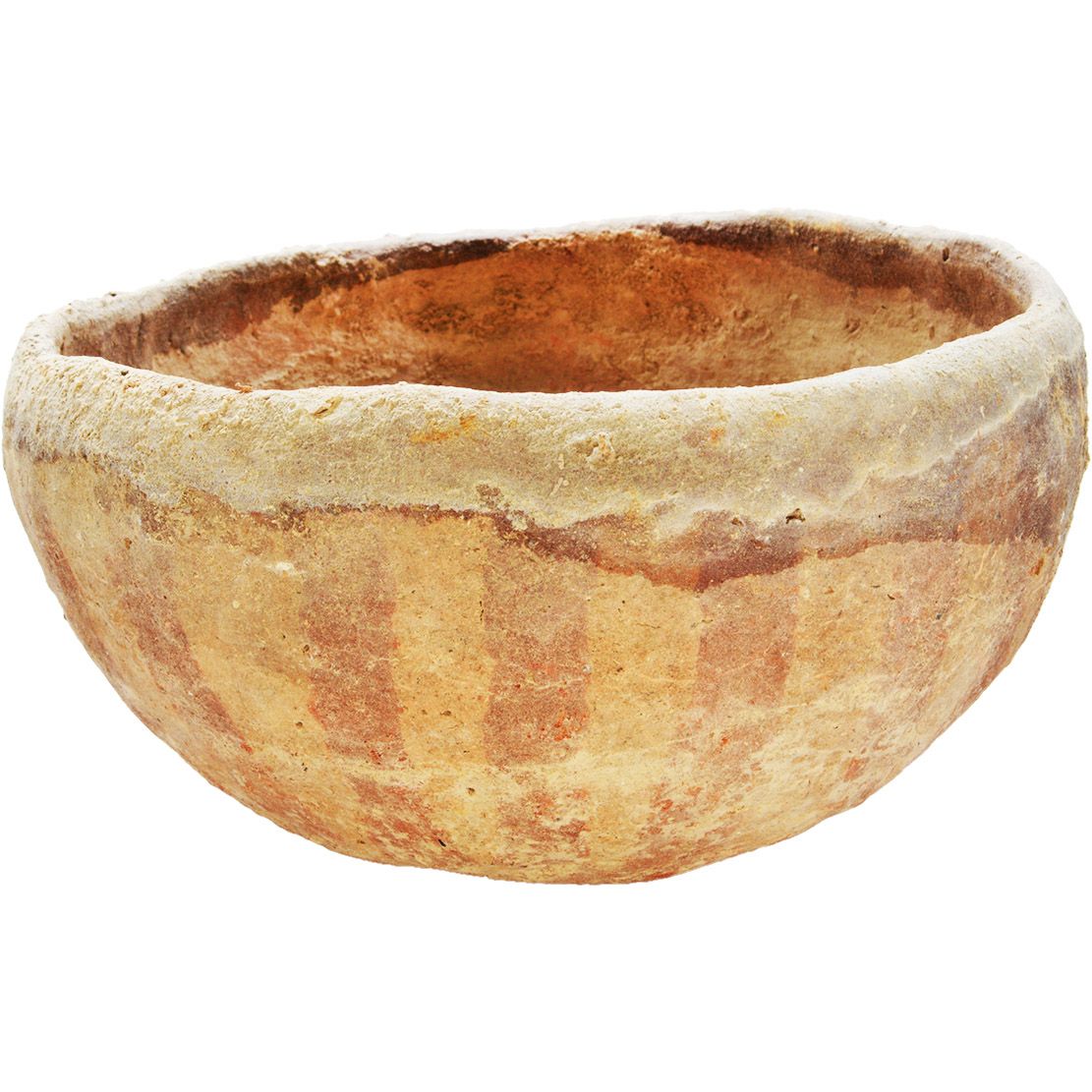
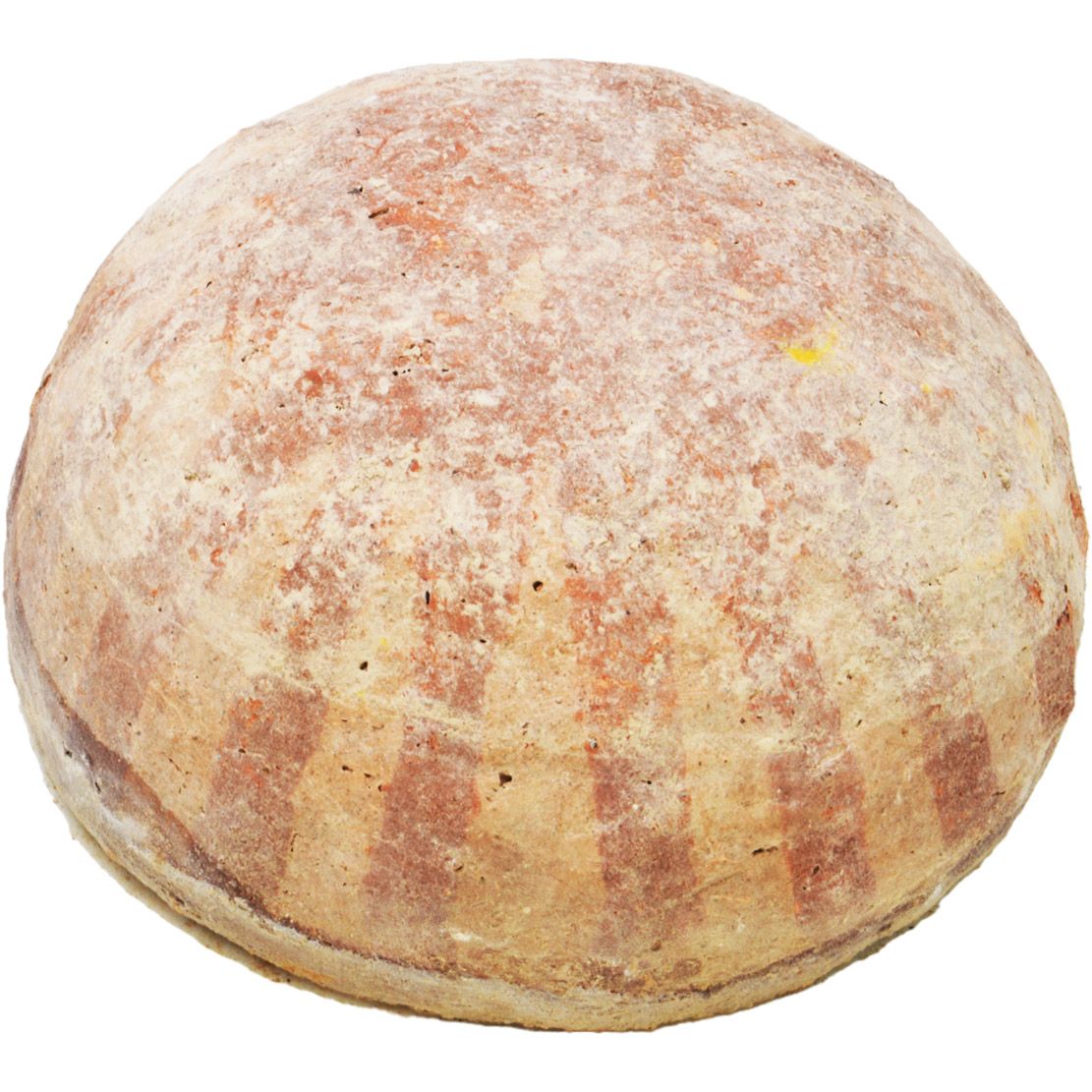
The story of ancient pottery in Israel begins in the Middle Bronze Age (circa 2000–1550 BCE), a period associated with the biblical Patriarchs such as Abraham, Isaac, and Jacob. During this era, pottery was handmade and often decorated with simple incised or painted designs.

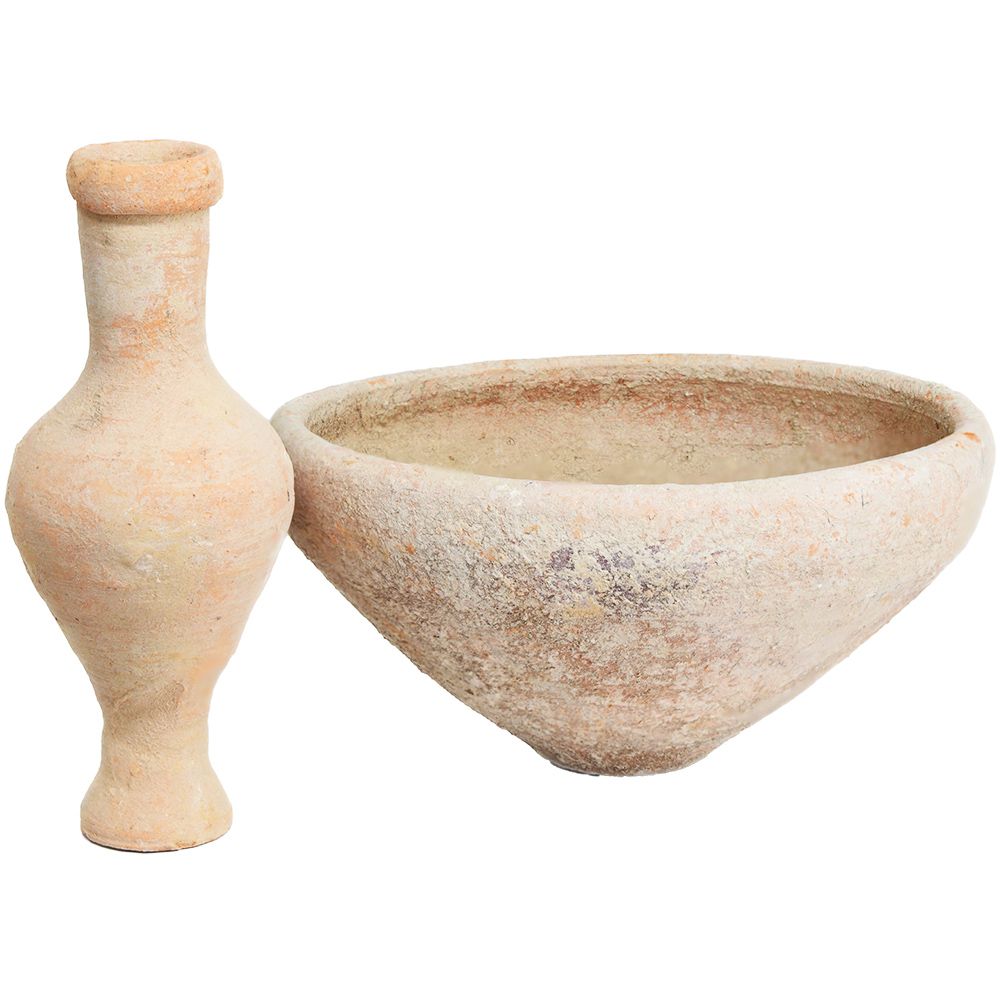
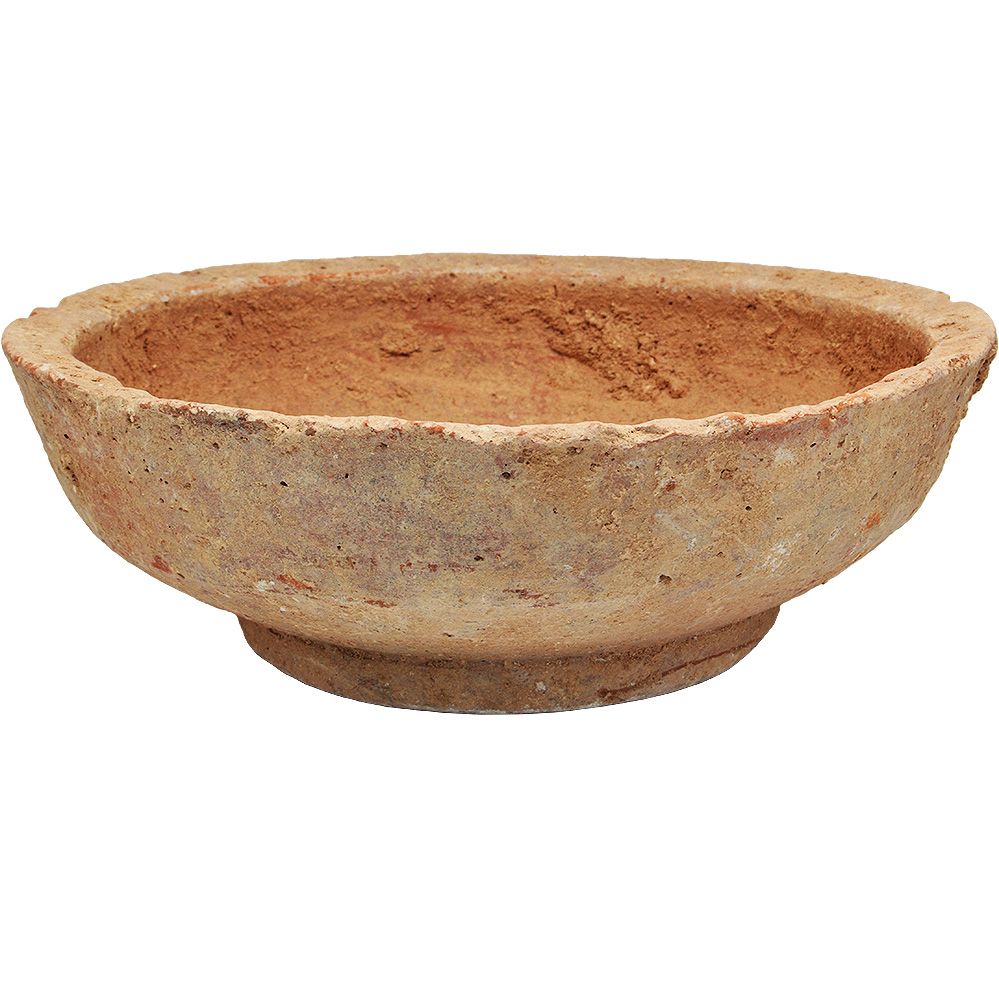
Bowls and plates from this time were typically made from reddish-brown clay and used for both domestic and ritual purposes. These vessels provide insight into the nomadic and semi-nomadic lifestyles of early Canaanite communities.

For example, shallow bowls with rounded bases were ideal for communal eating, reflecting the hospitality customs described in Genesis.

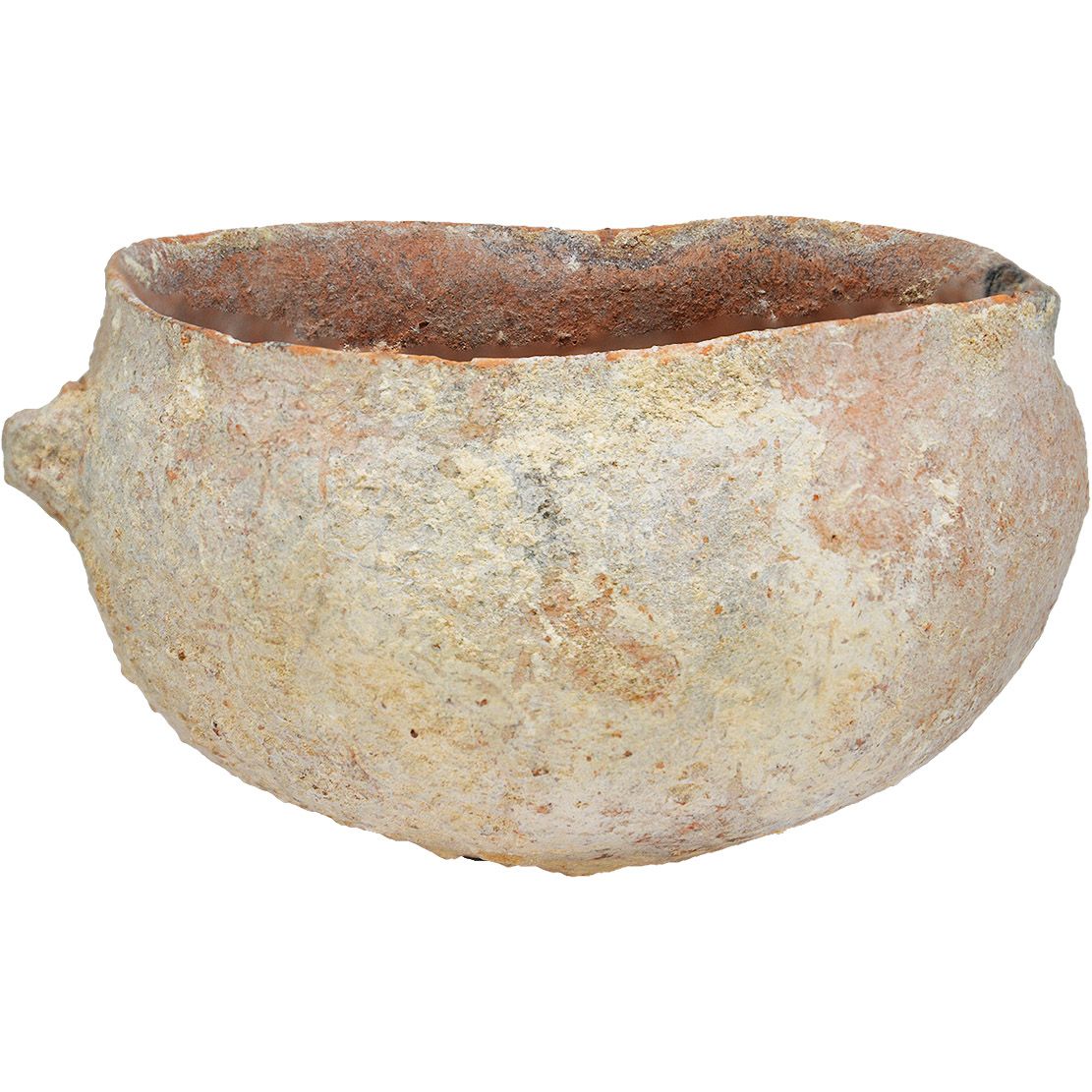
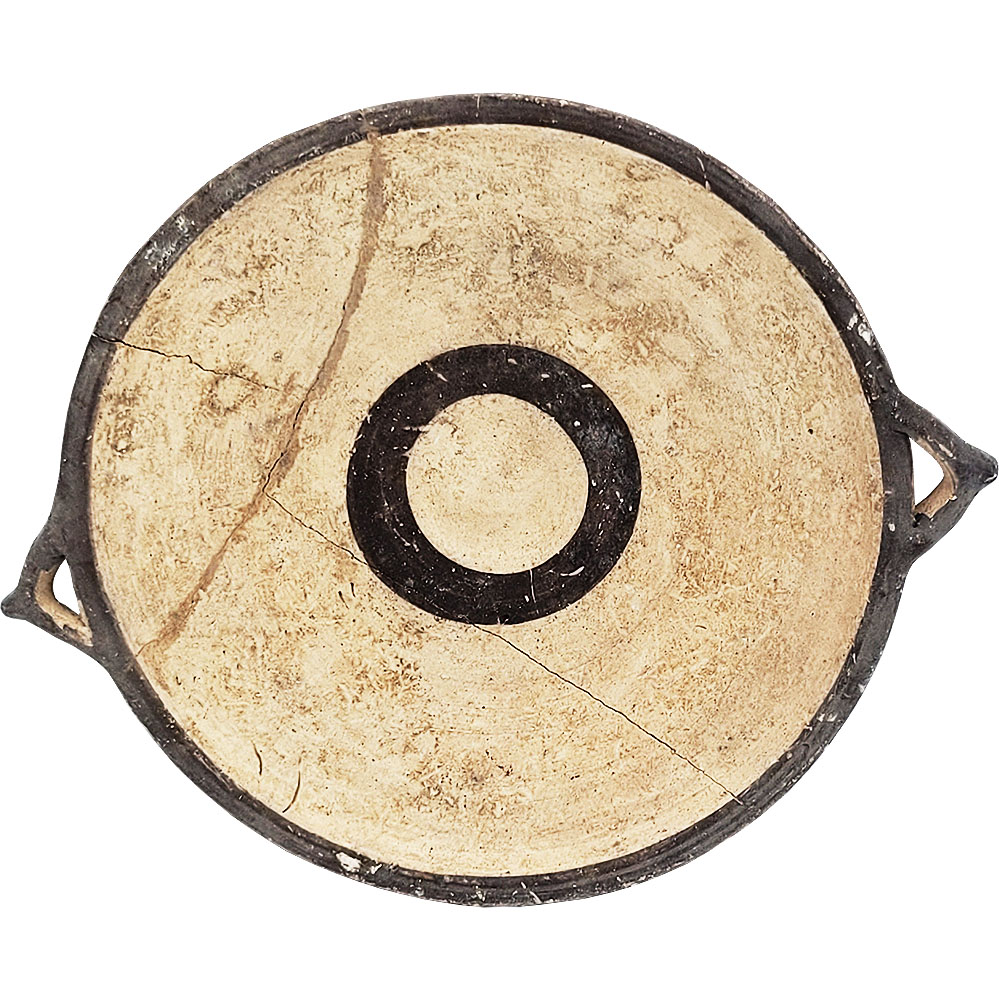
As we move into the Late Bronze Age (circa 1550–1200 BCE), corresponding with the period of the Exodus and the Israelites’ emergence as a distinct people, pottery becomes more refined.

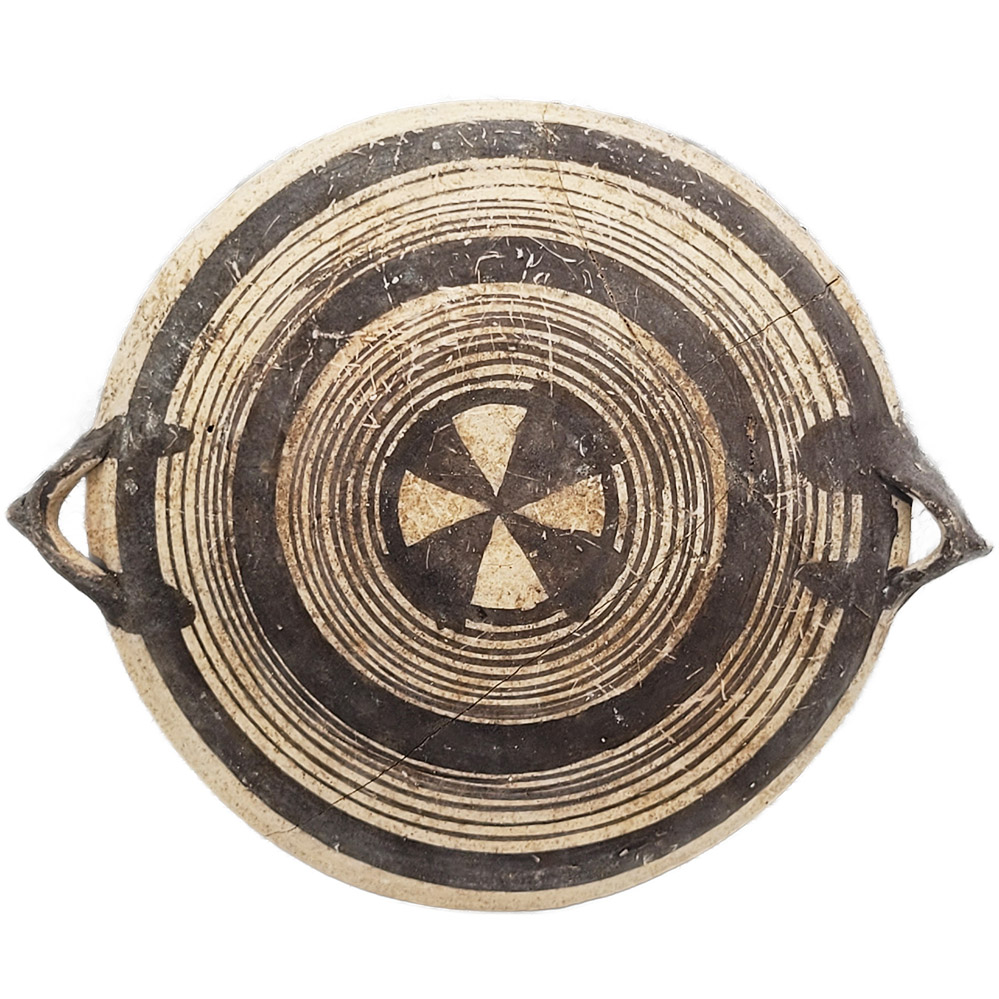
The influence of Egyptian and Mycenaean styles is evident in some artifacts, suggesting trade and cultural exchange. Pottery from this period includes small offering bowls used in religious ceremonies, possibly similar to those used by the Israelites during their wilderness wanderings.

The Iron Age (circa 1200–586 BCE), encompassing the time of the Judges, Kings Saul, David, Solomon, and the divided kingdoms of Israel and Judah, marks a significant evolution in pottery production. The introduction of the potter’s wheel allowed for more uniform shapes and mass production.

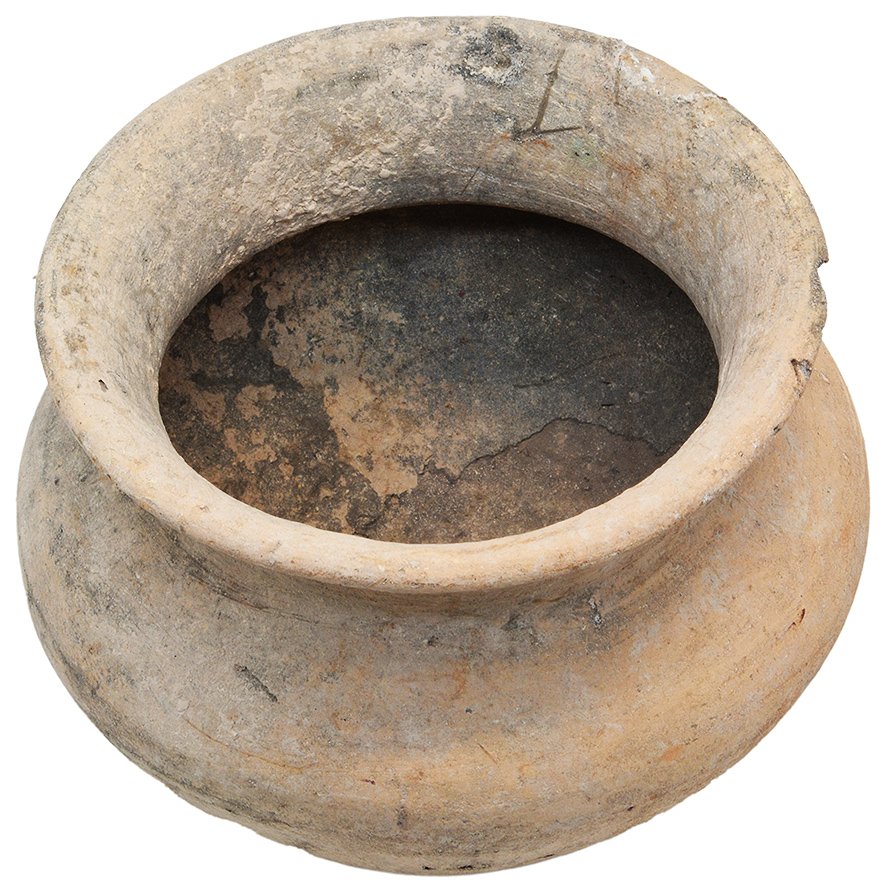
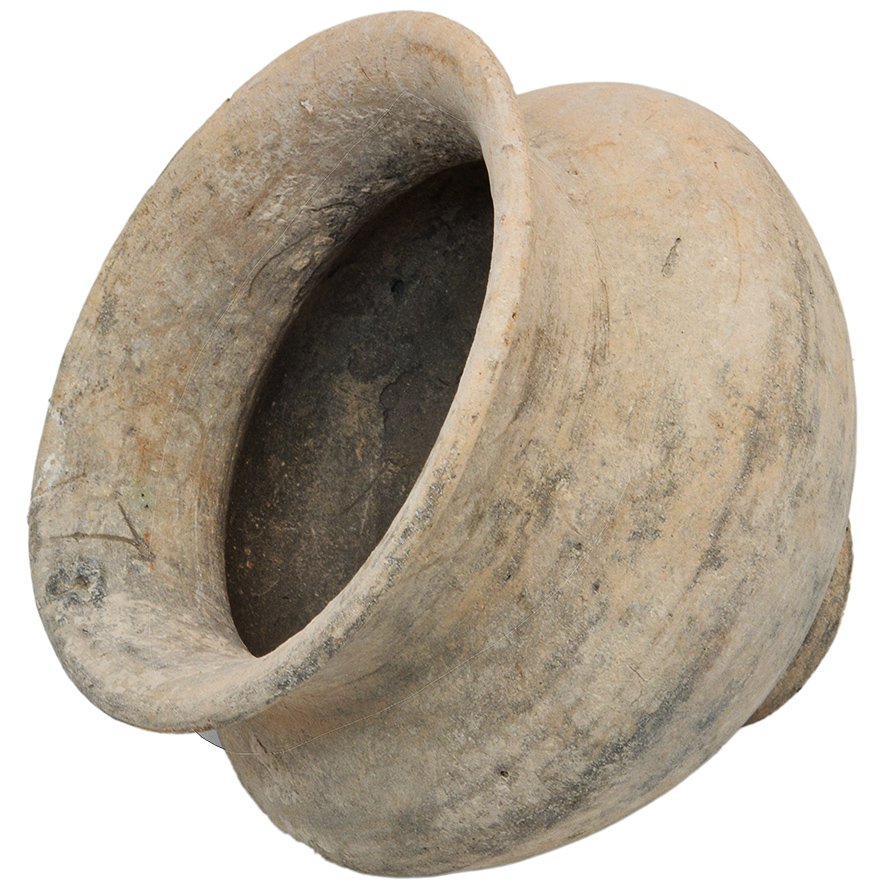
This era saw the rise of distinctive types such as “collared-rim jars” and “lamelech” storage jars stamped with royal insignia. Bowls and plates from this period were often used in both domestic settings and temple rituals.

Archaeological finds from sites like Lachish, Megiddo, and Jerusalem have uncovered thousands of such vessels, many bearing inscriptions or symbols that provide clues to their use and origin.

The Hellenistic to Roman Period: Pottery in the Time of Jesus

By the Hellenistic period (332–63 BCE) and into the Roman period (63 BCE–324 CE), pottery in Israel had become even more diverse and sophisticated. This era includes the time of Jesus and the early Christian church. Pottery from this period reflects Greco-Roman influence while retaining uniquely Jewish characteristics.

For instance, stone vessels—considered ritually pure under Jewish law—were common alongside traditional clay bowls and plates.

Bowls from this time were often used for ritual washing or communal meals, echoing scenes from the New Testament such as the Last Supper. Plates might have served during Sabbath meals or Passover celebrations.

The Gospel accounts frequently mention vessels: “Then he took a cup, and when he had given thanks, he gave it to them…” (Mark 14:23). Such references underscore the centrality of these everyday items in both religious practice and daily life.

Archaeological excavations in Jerusalem’s Old City, Qumran near the Dead Sea, and Galilean towns like Capernaum have unearthed numerous examples of first-century pottery. These finds help scholars reconstruct life during Jesus’ ministry and provide invaluable context for Biblical narratives.

Zak’s Antiquities: Preserving History with Integrity

Zak’s Antiquities stands at the intersection of faith, history, and archaeology. As a licensed antiquities dealer operating in Jerusalem’s Christian Quarter for over 50 years, Zak’s offers collectors a rare opportunity to own authentic Biblical artifacts.

Specializing in ancient pottery—particularly bowls and plates—Zak’s collection spans from the Canaanite period through to the Roman occupation.

Each item is carefully vetted by experts and comes with full documentation, including export approval from the Israel Antiquities Authority and a certificate of authenticity. This ensures that every piece not only meets legal standards but also holds genuine historical value.

Whether it’s a Bronze Age bowl once used by a Canaanite family or a Roman-era plate that may have served early Christians, these artifacts connect modern collectors with millennia of sacred history.

Zak’s Antiquities also provides secure international shipping directly from Jerusalem, allowing enthusiasts around the world to own a piece of Biblical heritage. As Zak himself often says, “These are not just artifacts—they are stories frozen in time.”

Conclusion: A Legacy Carved in Clay

From Abraham’s tent to Jesus’ table, ancient pottery—especially bowls and plates—has played a silent yet profound role in Biblical history. These vessels carried food, offerings, water, and wine; they witnessed prayers, celebrations, and miracles. Through careful excavation and preservation, they now offer us a window into lives lived thousands of years ago.

Thanks to trusted dealers like Zak’s Antiquities in Jerusalem, these timeless artifacts are no longer confined to museum shelves but can be appreciated by collectors, scholars, and believers worldwide.

Each bowl or plate is more than just clay—it is a testament to faith, culture, and continuity across generations.

Showing 1–12 of 18 results

Top
X