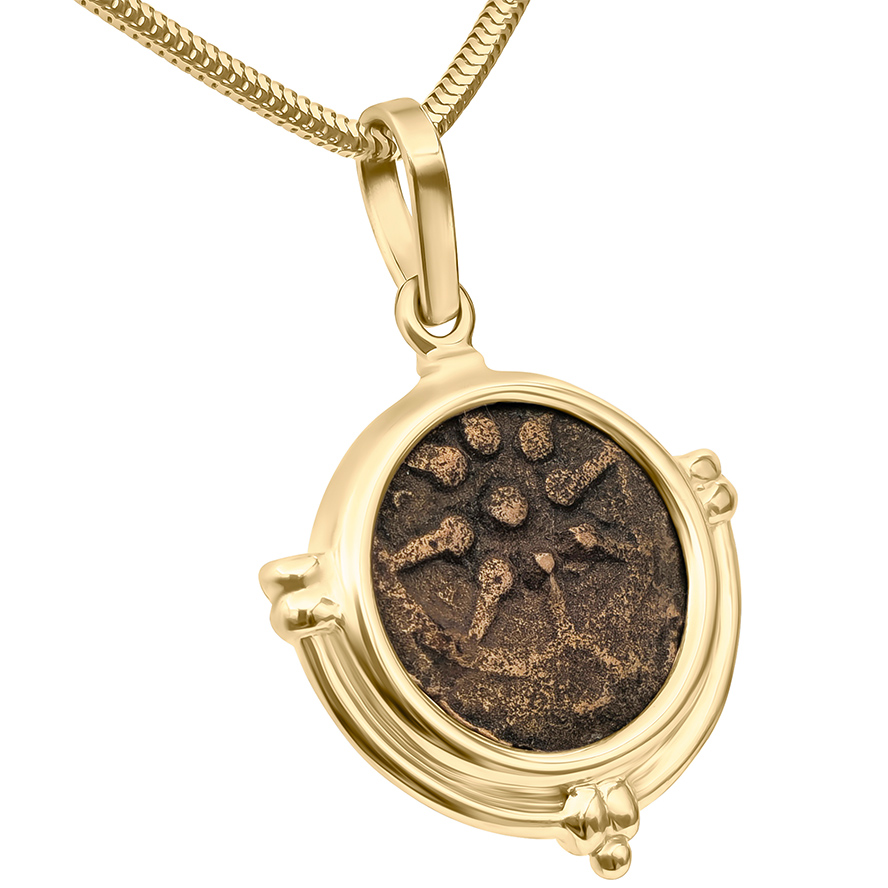

“And (Jesus) looked up and saw the rich putting their gifts into the treasury, and He saw also a certain poor widow putting in two mites
Read More...Showing 1–12 of 49 results
-

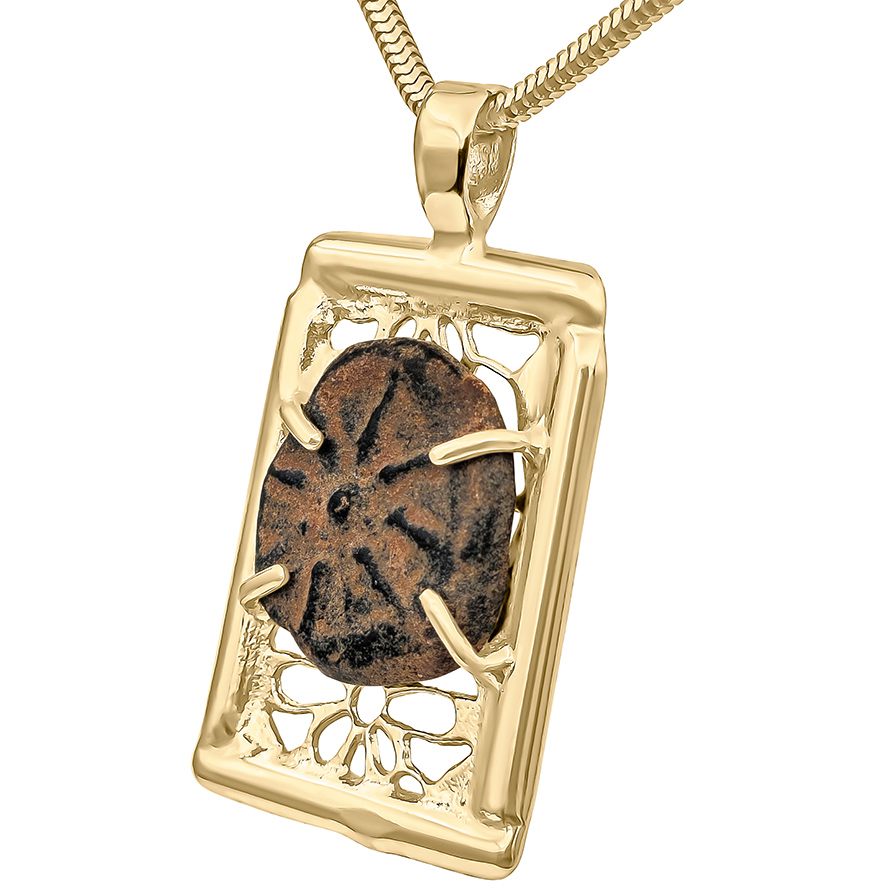
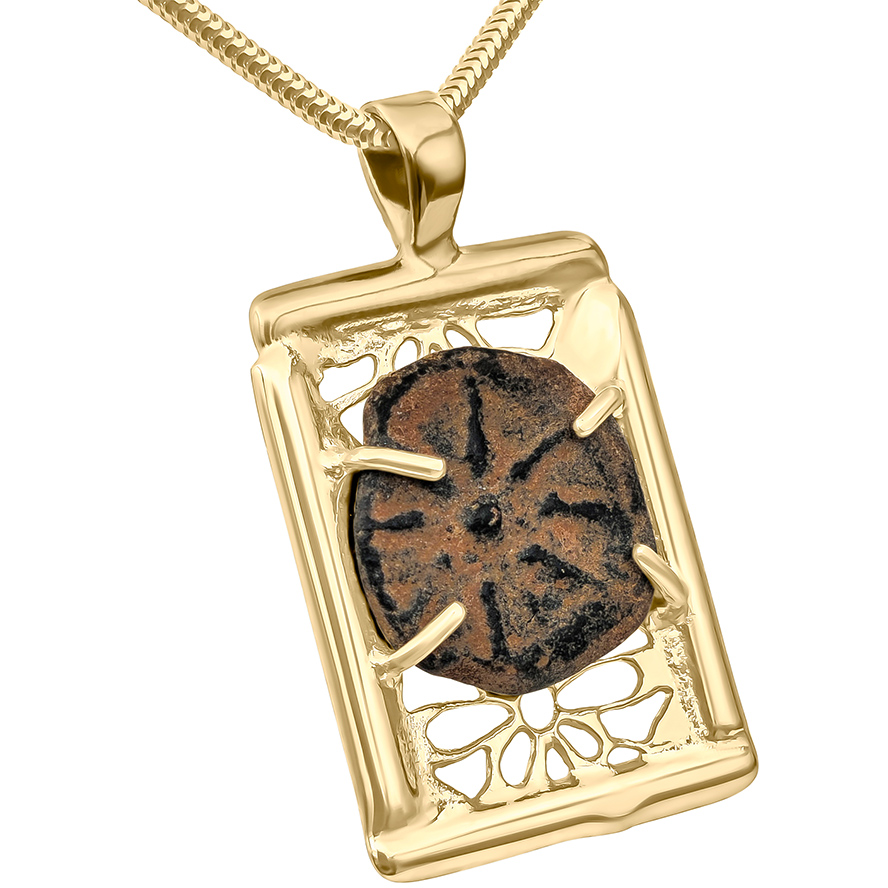
“The Widow’s Coin” Mounted in a Decorative 14k Gold Rectangle Frame Necklace
Quick ViewAncient coin used in the First century set into a 14k gold rectangle frame necklace
● Minted in Jerusalem 100 B.C.
● Total Weight: 5 grams.
● Size: 1.2″ / 3 cm (with bale).
● Made in Israel.
● Certificate of Authenticity. -

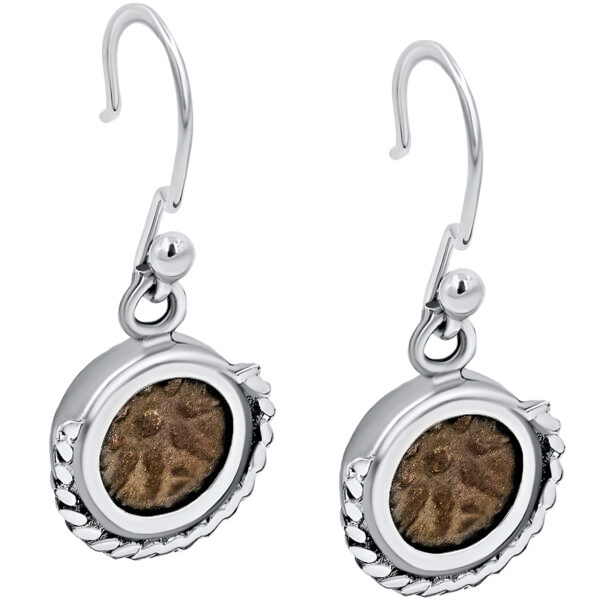
“Widow’s Mite” Coins Mounted in Sterling Silver Earrings – Made in Israel
Quick ViewThese exquisite earrings feature authentic “Widow’s Mite” coins, dating back to biblical times, delicately mounted in sterling silver.
Handcrafted in Israel, these designer earrings capture the rich history and spirituality of the Holy Land. With their unique blend of ancient and modern aesthetics, they are a true testament to the enduring beauty of faith.
● Total weight: 8.3 grams.
● Height: 1″ inch / 2.5 cm.
● Made in Jerusalem. -
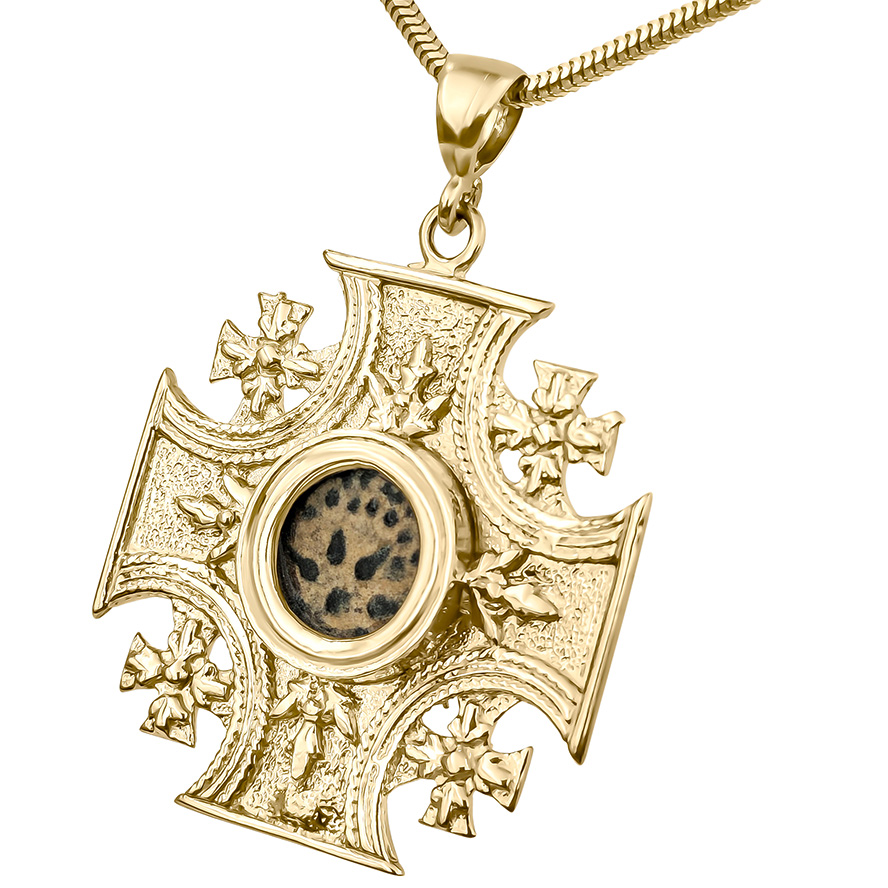
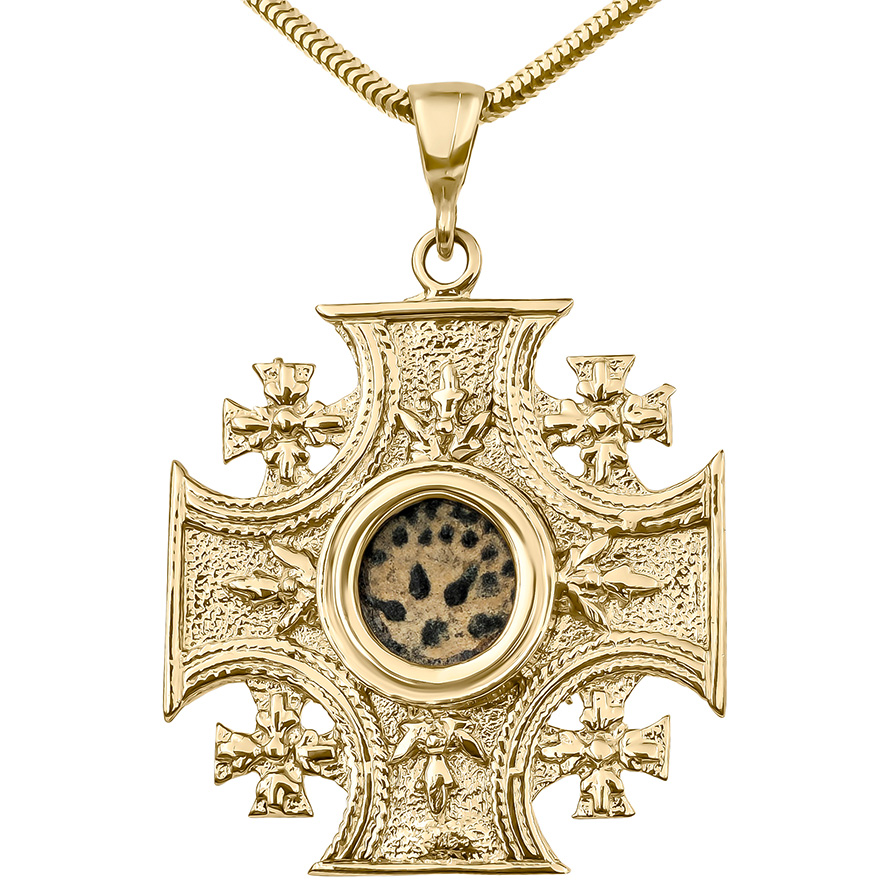
14k Gold ‘Jerusalem Cross’ with Authentic Widow’s Mite Coin Necklace – Made in Israel
Quick ViewEmbrace timeless spirituality with this exquisite 14k Gold ‘Jerusalem Cross’ Necklace, featuring an authentic Widow’s Mite Coin.
Handcrafted in Israel, this piece intertwines historical reverence and modern elegance, making it a unique treasure that carries the essence of ancient Jerusalem close to your heart.
● Size: 1.3″ / 3.3 cm (including the bale).
● Total weight: 5.47 Grams.
● Certificate of authenticity.
● Made in Jerusalem. -
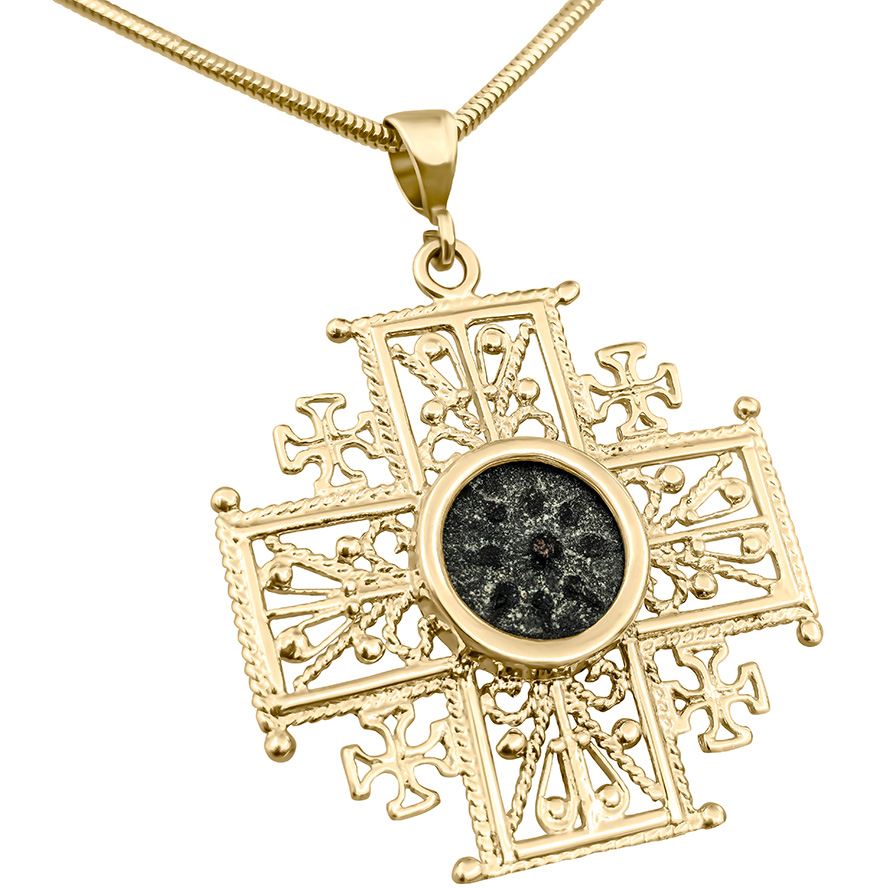
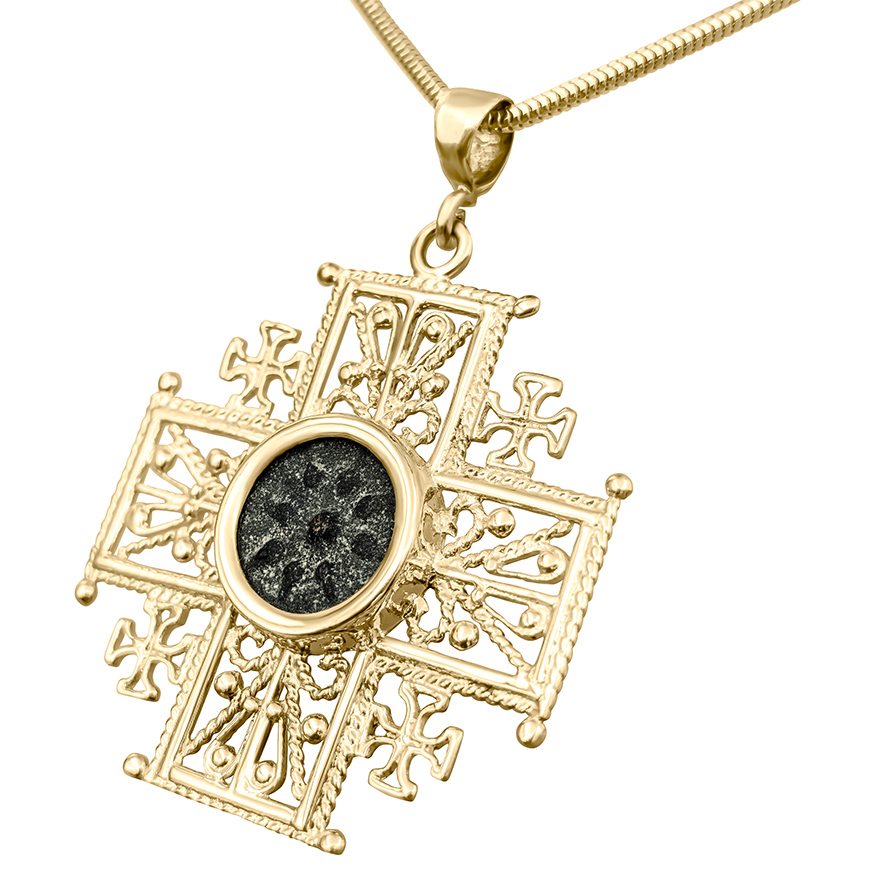
14k Gold Filigree ‘Jerusalem Cross’ with ‘Widow’s Mite Coin’ Pendant – Made in Jerusalem
Quick ViewUnveiling the ‘Jerusalem Cross’ Pendant – a masterpiece blending 14k gold filigree with an ancient ‘Widow’s Mite Coin’, crafted in Jerusalem.
In the heart of Jerusalem, a remarkable piece of jewelry captures the essence of history and faith—the 14k Gold Filigree ‘Jerusalem Cross’ with ‘Widow’s Mite Coin’ Pendant. This exquisite artifact not only embodies the rich cultural heritage of one of the world’s most ancient cities but also tells a story steeped in biblical lore.
● Size: 1.5″ / 3.8 cm (including the bale).
● Total weight: 5.1 Grams.
● Certificate of authenticity.
● Made in Jerusalem. -
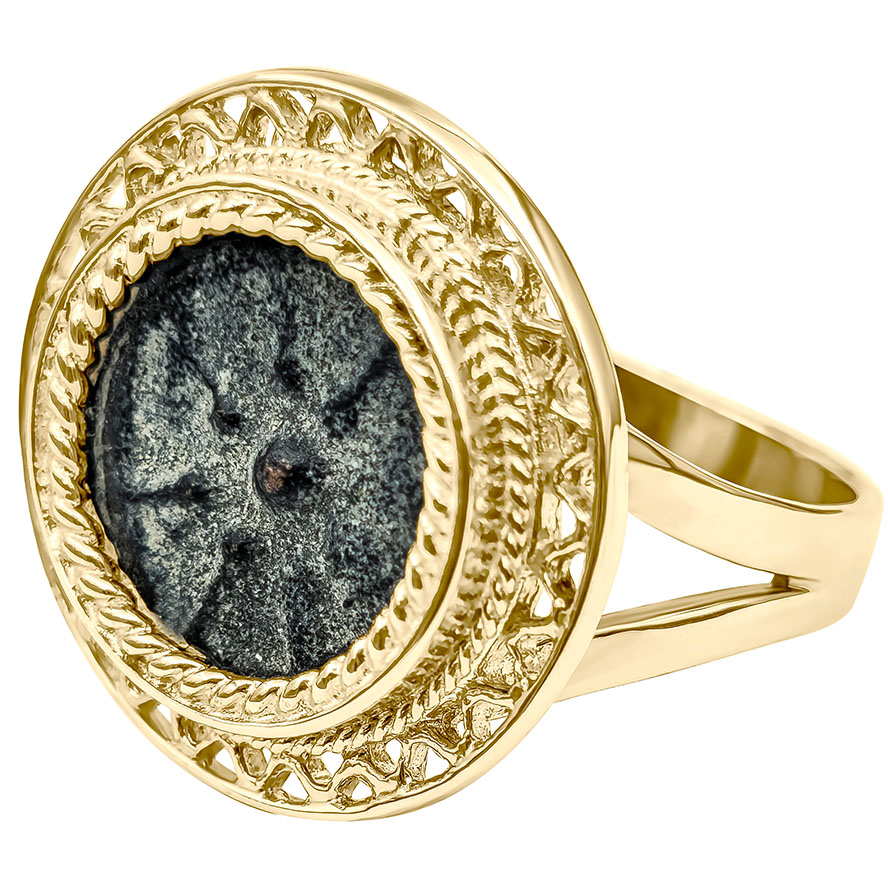
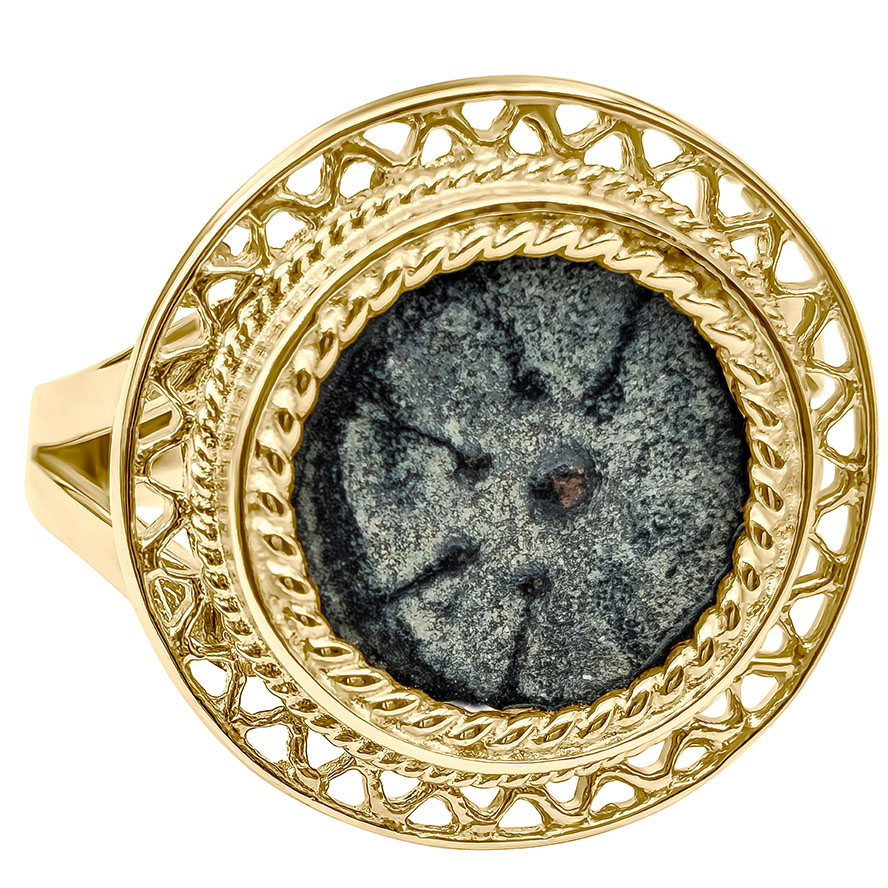
14k Gold Filigree Ring with Authentic “Widow’s Mite” Coin from Jesus’ Time
Quick ViewThis exquisite 14k gold filigree ring, handcrafted in Israel, holds an authentic “Widow’s Mite” coin from Jesus’ time.
A symbol of faith and history, this unique piece captures the essence of ancient Jerusalem. With intricate detailing and a timeless design, it is a cherished heirloom that connects the past with the present.
● 14k Gold.
● All sizes available.
● Certificate of authenticity.
● Made in Jerusalem. -
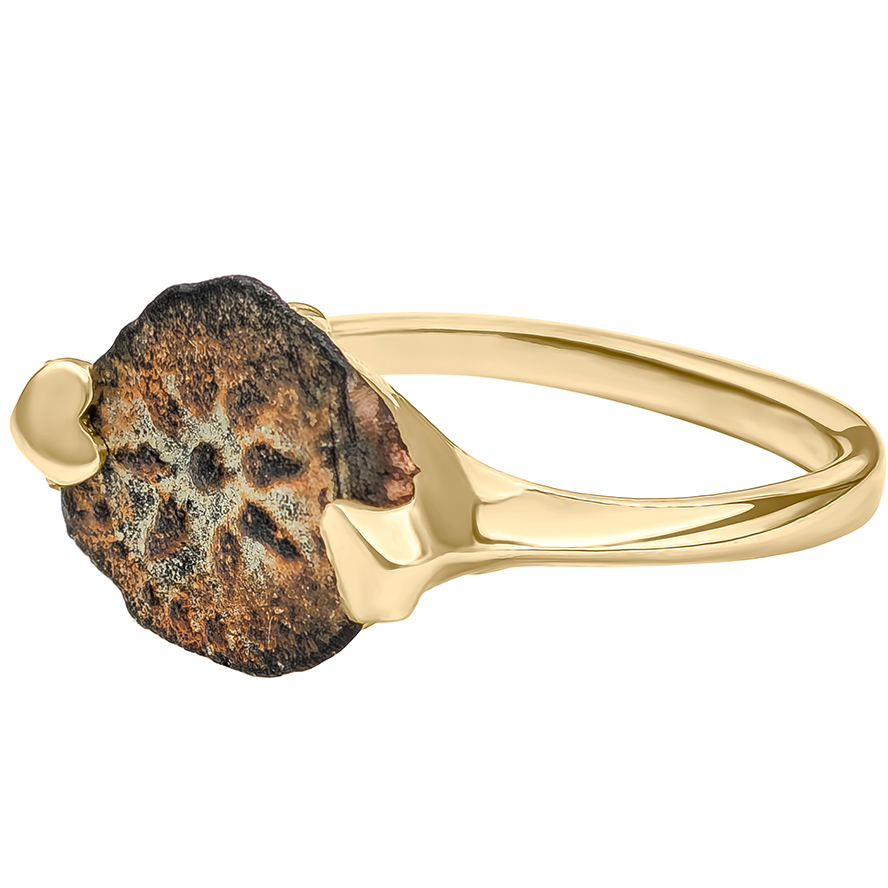
Authentic “Widow’s Mite” Coin Mounted in a 14k Gold Solitaire Ring – Made in Israel
Quick ViewThis exquisite 14k gold solitaire ring, handcrafted in Israel, showcases an authentic “Widow’s Mite” coin.
Symbolizing humility and generosity, this ancient coin holds a rich history. With its delicate design and meaningful significance, this ring is a timeless treasure, perfect for those seeking a unique and meaningful piece of jewelry.
● 14k Gold.
● Jesus period coins
● All sizes available.
● Certificate of authenticity.
● Made in Jerusalem. -
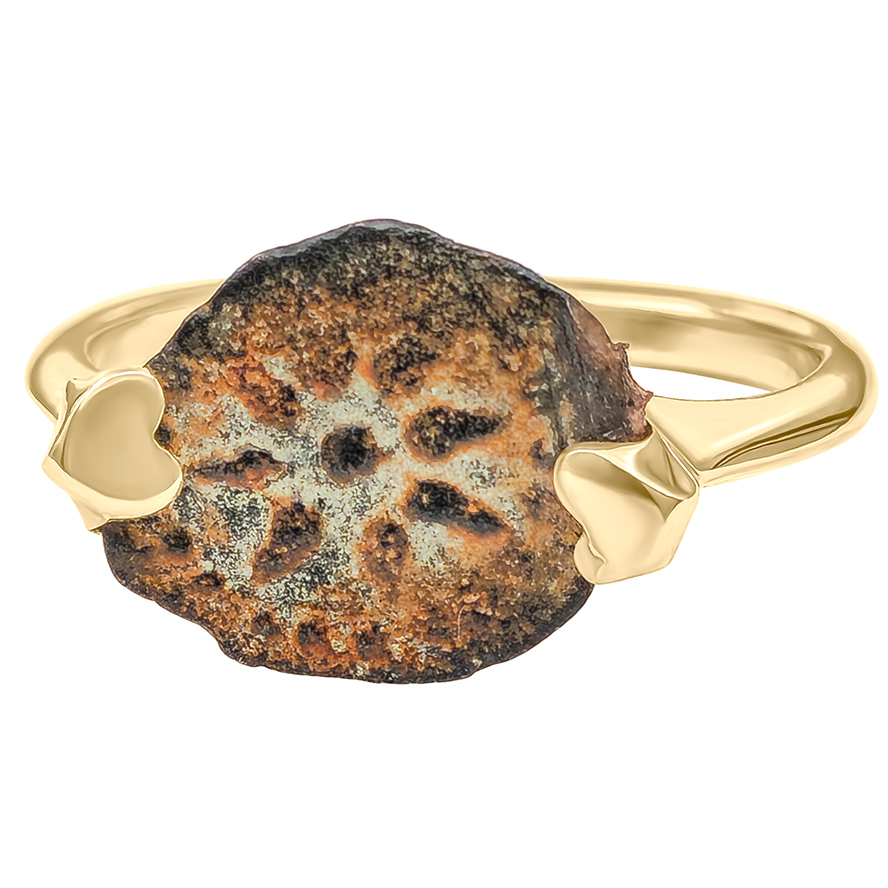
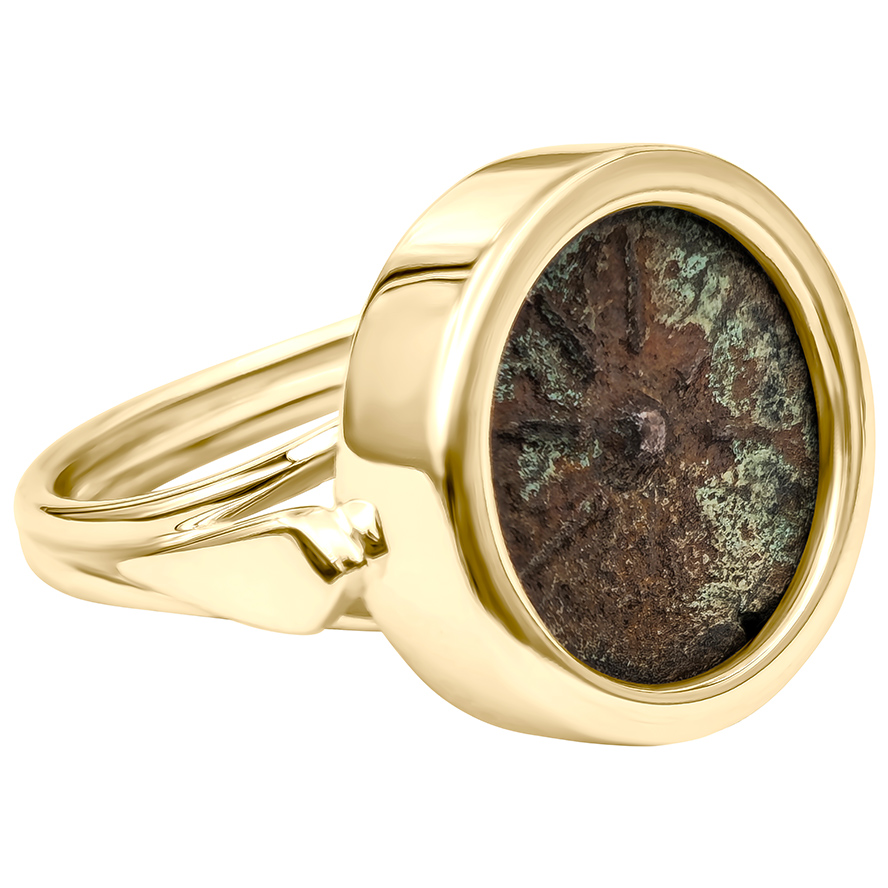
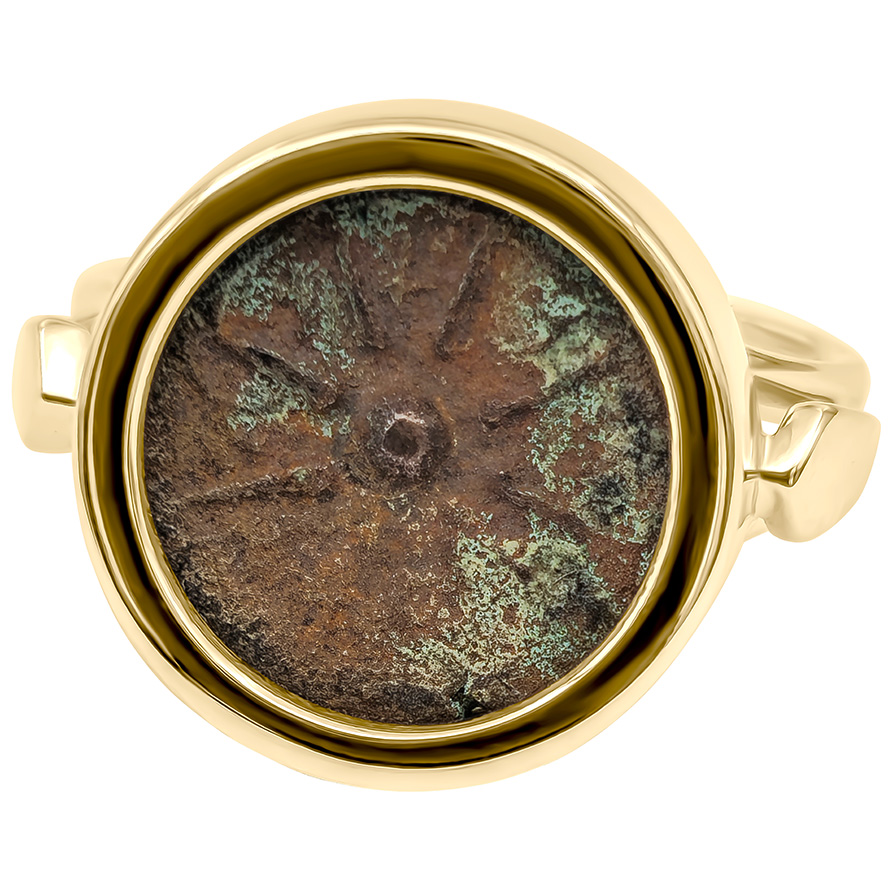
Authentic “Widow’s Mite” Coin Mounted in a Classic 14k Gold Ring – Made in Israel
Quick ViewEmbrace ancient elegance with this authentic “Widow’s Mite” coin, exquisitely mounted in a classic 14k gold ring.
Handcrafted in Israel, this timeless piece intertwines historical richness with modern luxury, offering a unique connection to the past. Wear a fragment of history on your finger.
● 14k Yellow Gold.
● Jesus period coins
● All sizes available.
● Certificate of authenticity.
● Made in Jerusalem. -
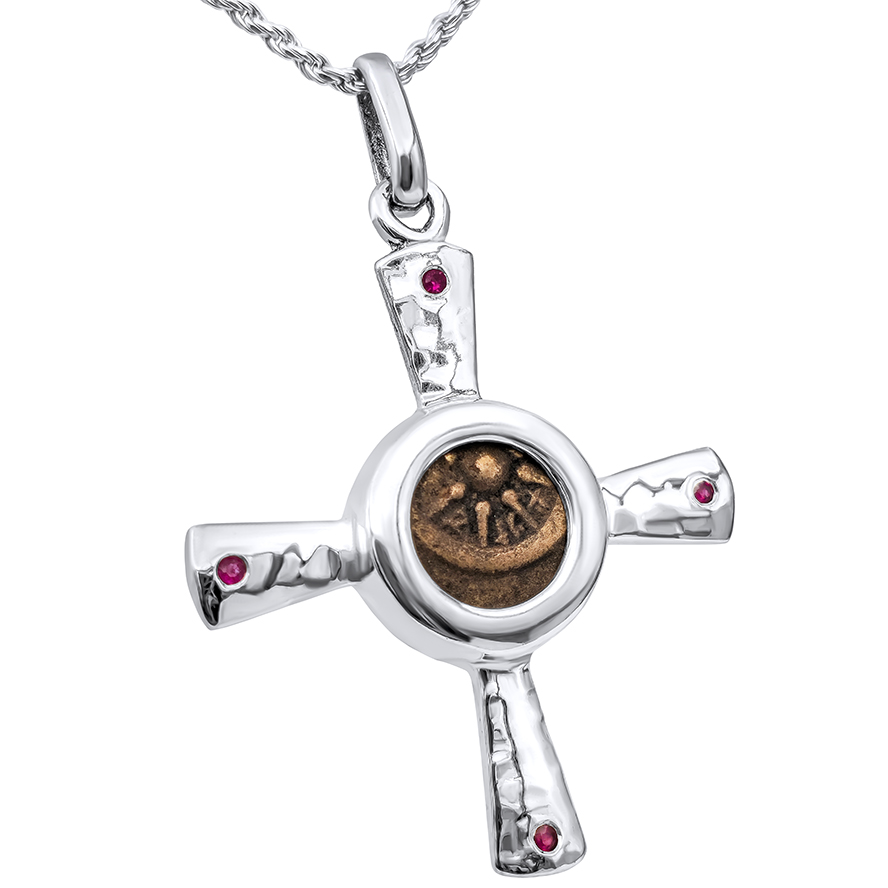
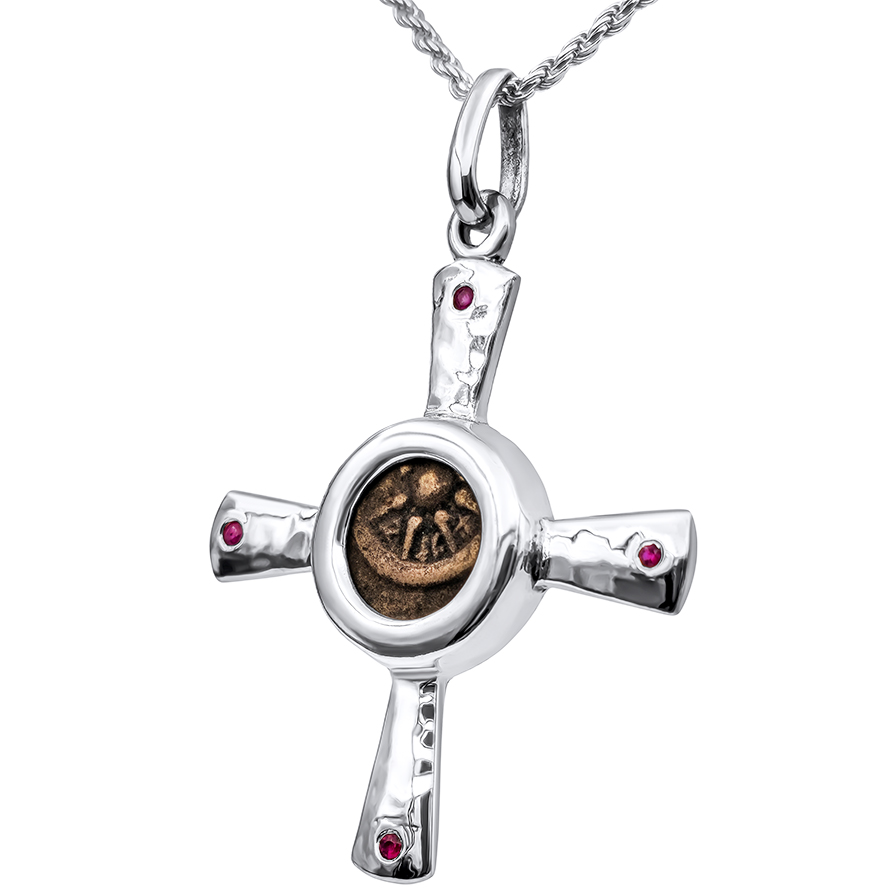
Authentic Widow’s Mite Coin in a Handmade Hammered Sterling Silver Cross Necklace
Quick ViewDiscover Biblical history with our Genuine Widow’s Mite Coin necklace, beautifully handcrafted in Israel.
● Jewish coin from Jesus’ time.
● Sterling silver hammered silver Cross.
● 4 Red crystals symbolizing the Gospels.
● Weight: 6.2 grams.
● Length: 1.7″ / 4.3 cm (with bale).
● Made in Jerusalem.
● Certificate of authenticity included. -
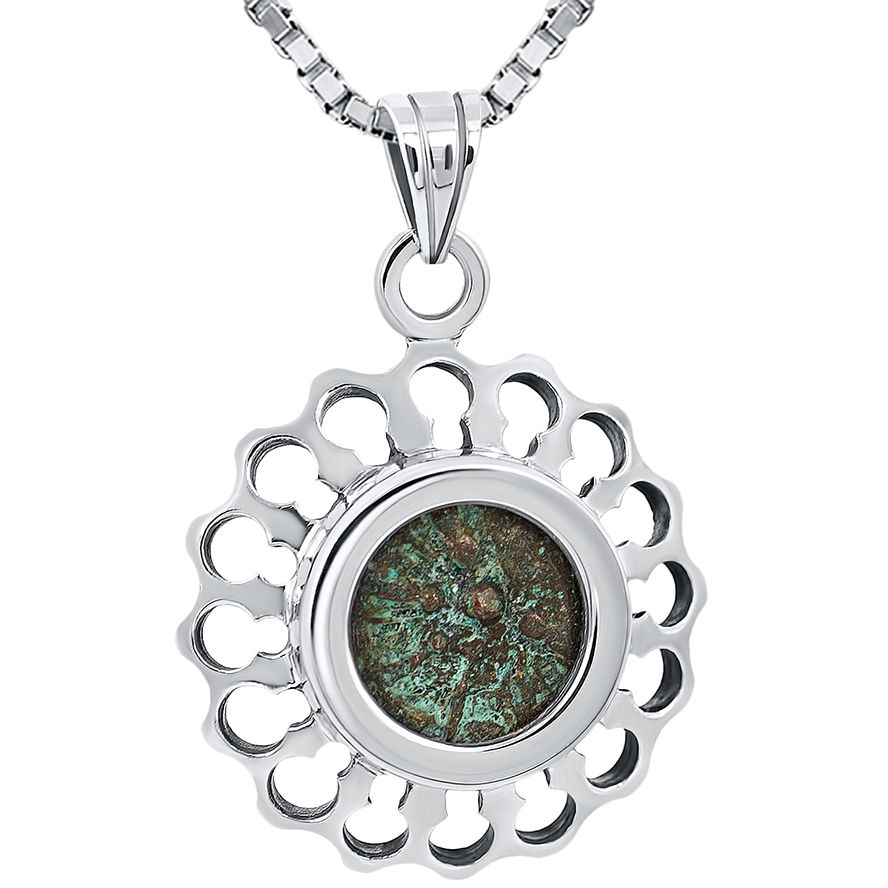
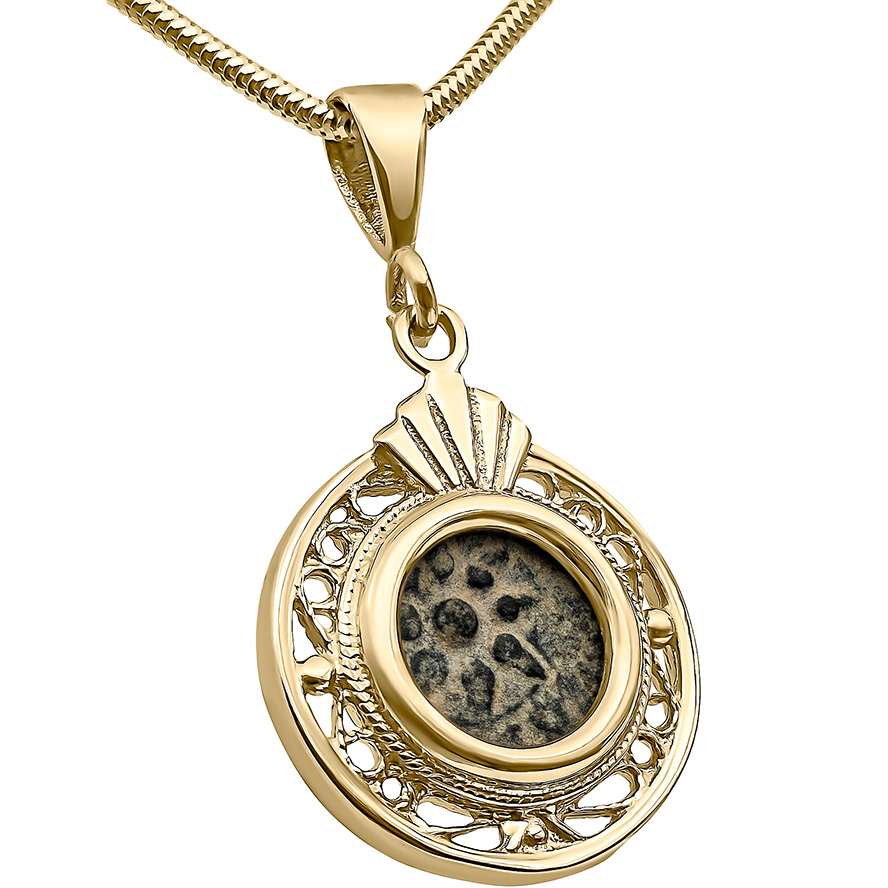
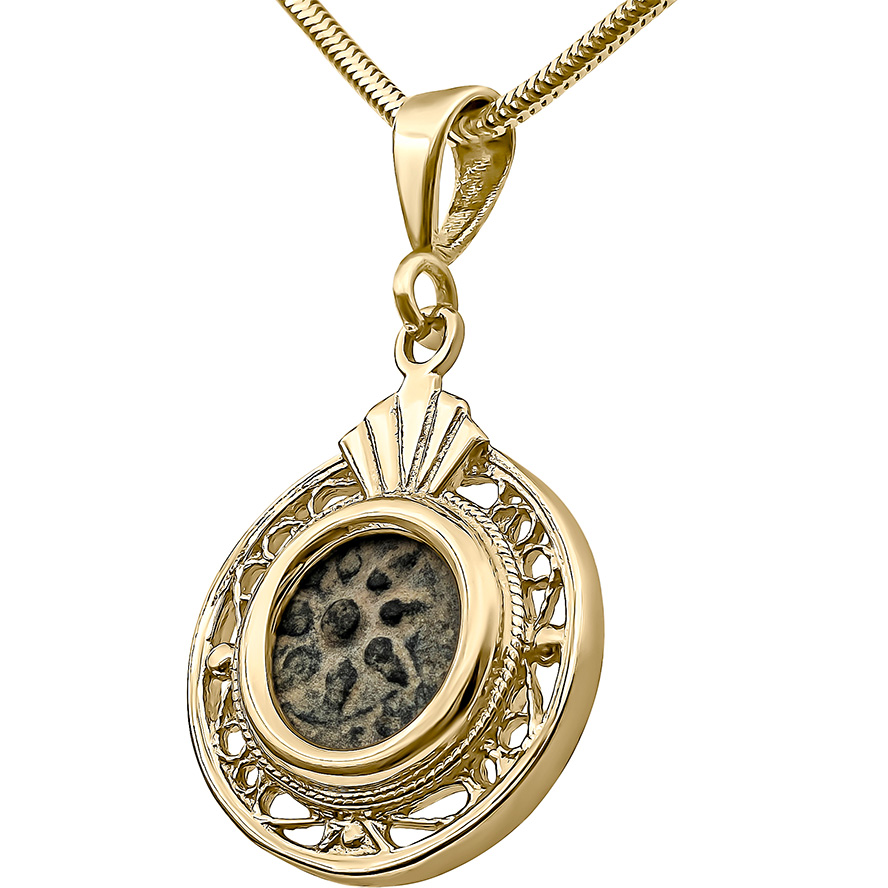
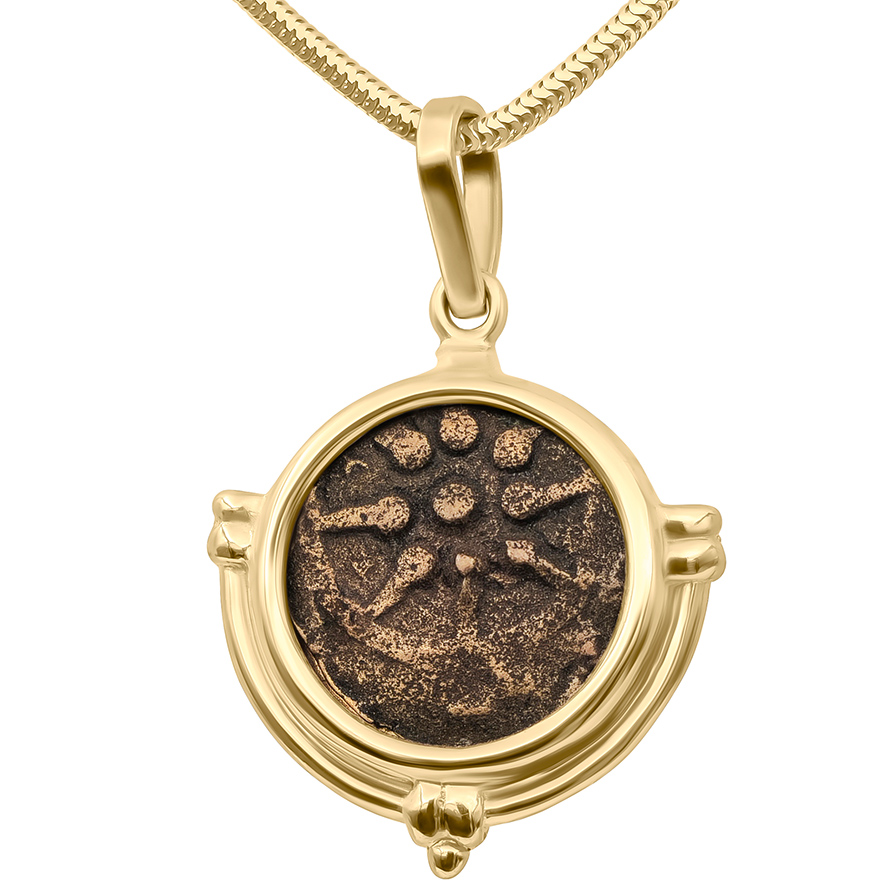
Biblical Coin “The Widow’s Mite” – Mounted in a 14k Gold Ornate Round Pendant
Quick ViewAncient coin from time of Jesus mounted in a 14k gold decorative round necklace.
Exquisite Craftsmanship: The 14k Gold Ornate Round Pendant Featuring The Widow’s Mite.
● Size: 1.25″ / 3.17 cm (including the bale).
● Total weight: 4.5 Grams.
● Certificate of authenticity.
● Made in Jerusalem.