
Cooking Pots from Biblical Israel: Unearthing Daily Life Through Ancient Pottery
The humble cooking pot, often overlooked in the grand narrative of history, serves as a powerful lens through which we can glimpse the daily lives of ancient peoples.
In the highlands of Canaan during the Iron Age, through to the bustling streets of Jerusalem in the time of Jesus, cooking vessels were not only essential household items but also cultural artifacts that reveal much about the social, economic, and religious practices of their time.
- Authentic Biblical-era cooking vessels for sale
- From Canaanite to Early Christian periods
- Includes Iron Age and First Temple artifacts
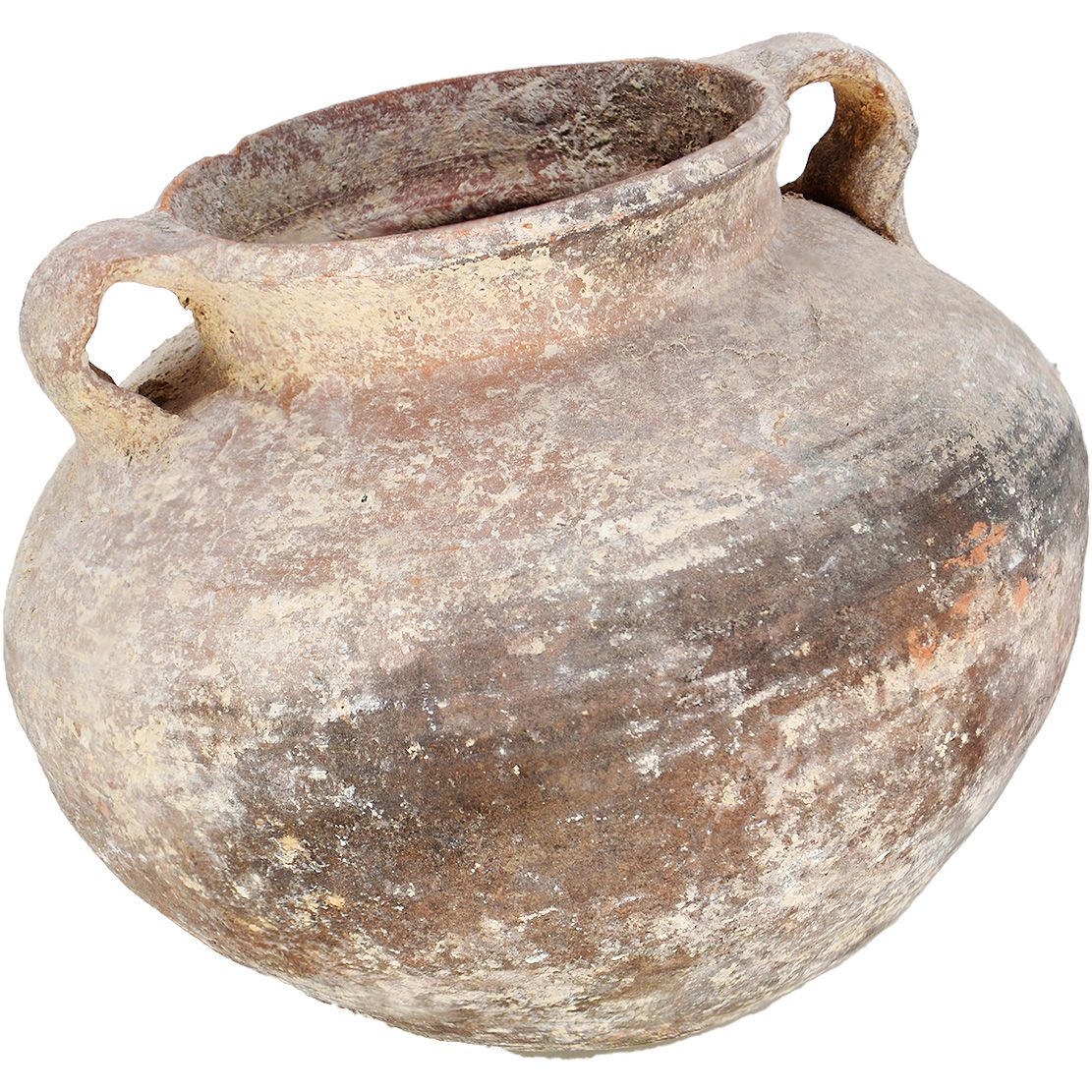
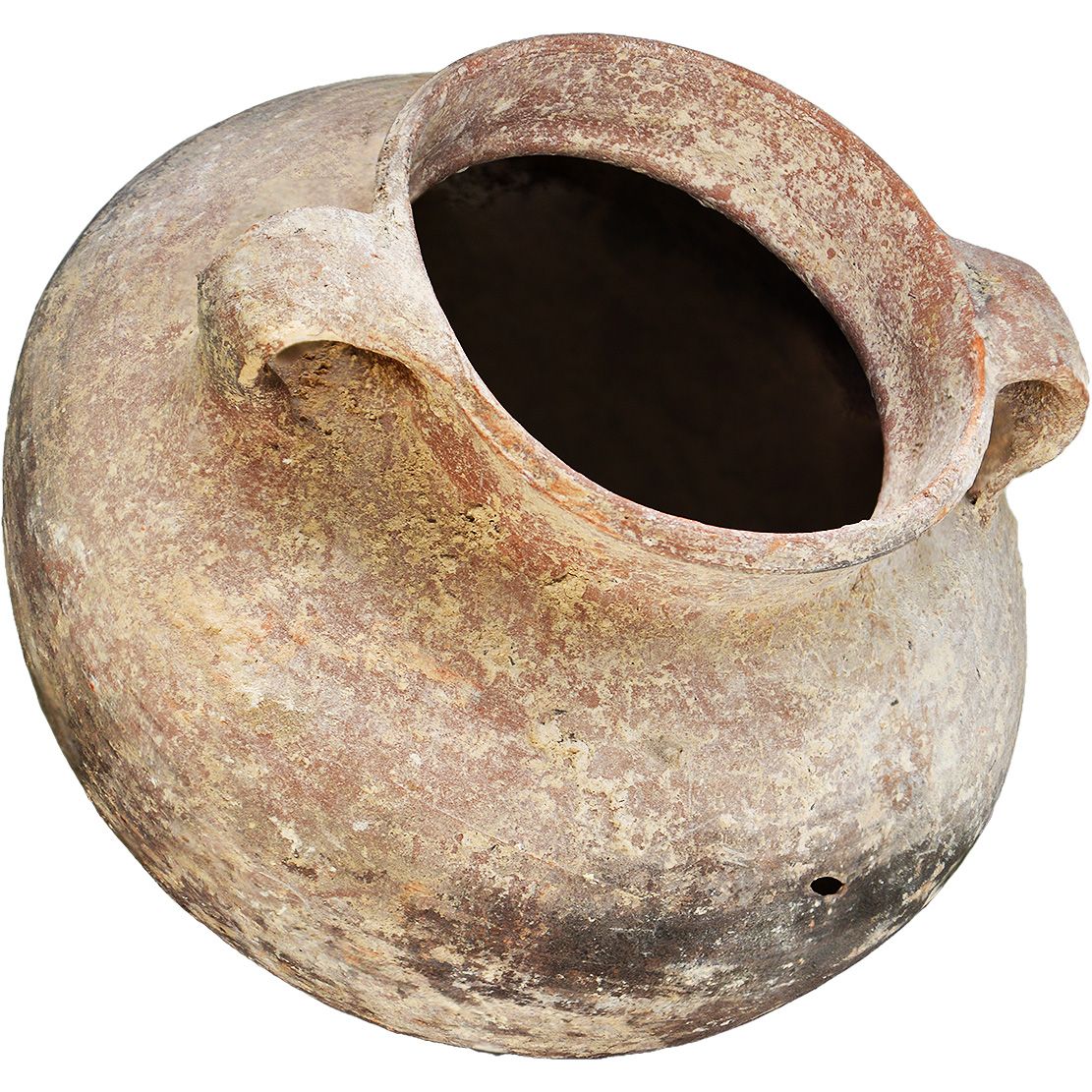
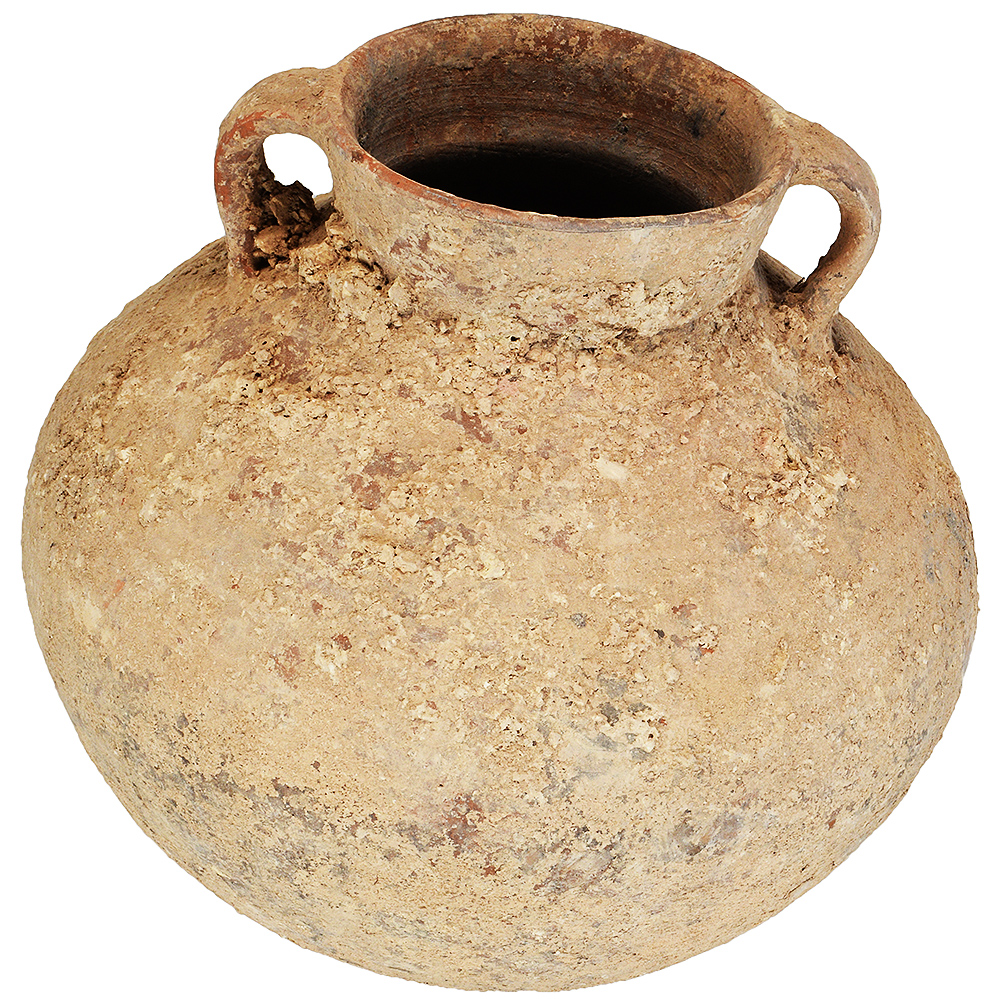
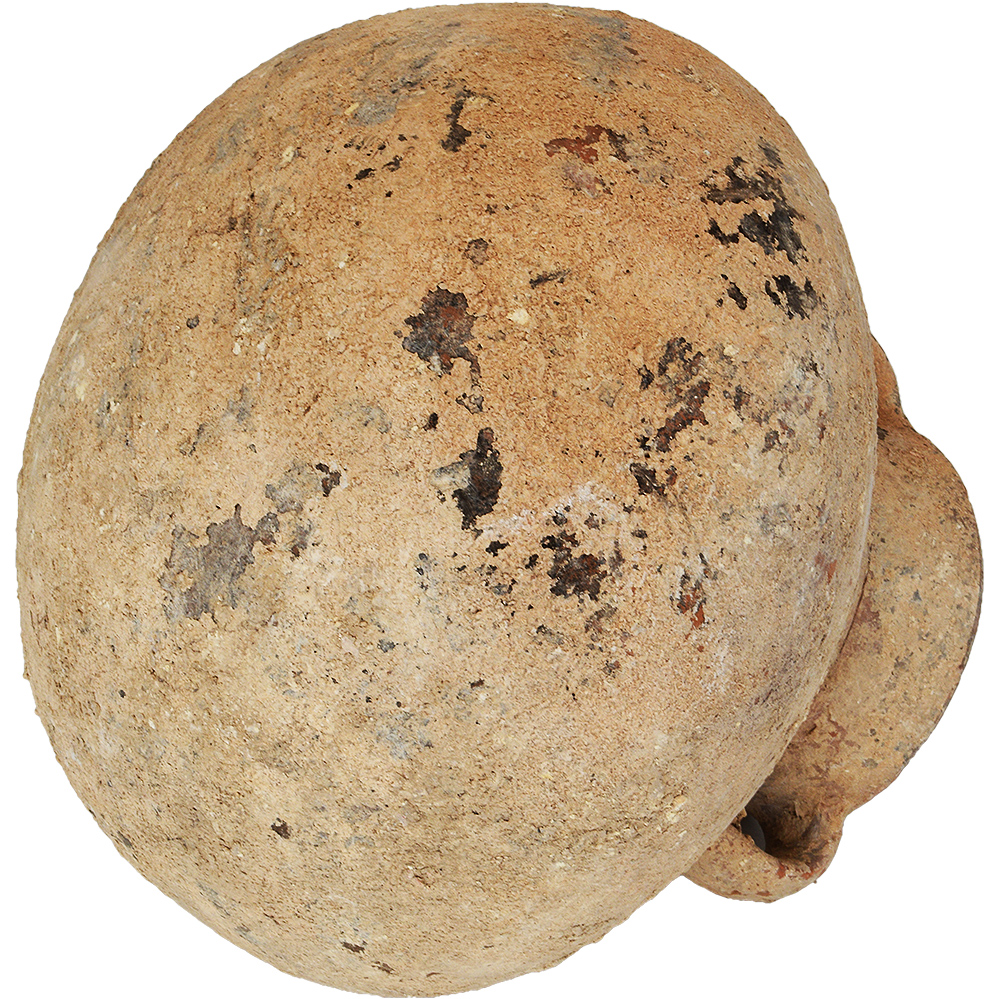
- Globular pots with signs of ancient use
- Certified by Israel Antiquities Authority
- Secure worldwide shipping from Jerusalem
From the Bronze Age to the Early Christian period, these ceramic vessels evolved in form and function, reflecting changes in technology, trade, and tradition.
Today, authentic First Temple period cooking pots and other ancient kitchenware are preserved and offered by licensed antiquities dealers like Zak’s Antiquities in Jerusalem, providing collectors and scholars alike with tangible connections to the biblical past.
Unearthing Daily Life: Cooking Pots from Biblical Israel
Archaeological excavations across Israel have unearthed thousands of ceramic fragments—many of them cooking pots—that offer a vivid picture of domestic life in ancient times.
41 And Jesus answered and said to her, “Martha, Martha, you are worried and troubled about many things. 42 But one thing is needed, and Mary has chosen that good part, which will not be taken away from her.”
(Luke 10:41-42)
These vessels were among the most common finds in ancient households, particularly in Jerusalem during the Early Roman and late Second Temple periods (1st century A.D.). Their ubiquity underscores their importance: they were used daily to prepare meals, boil water, and store food.
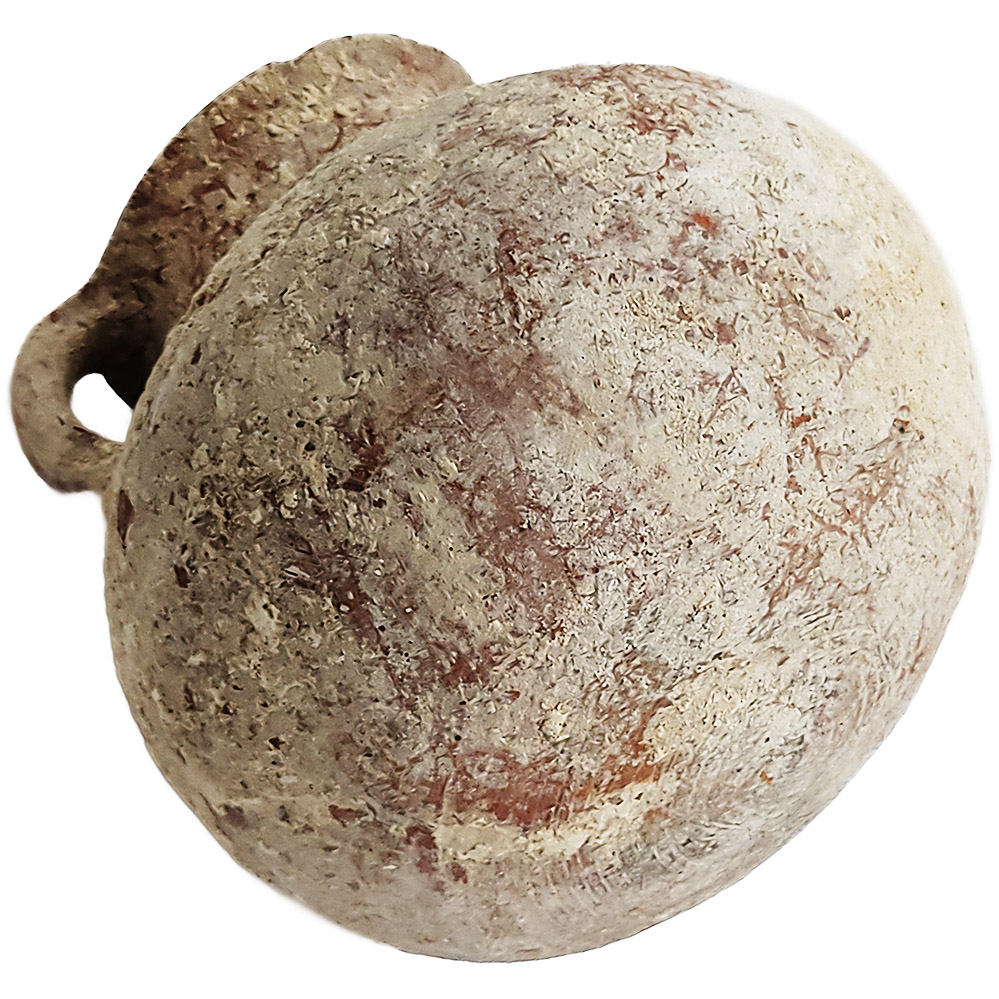
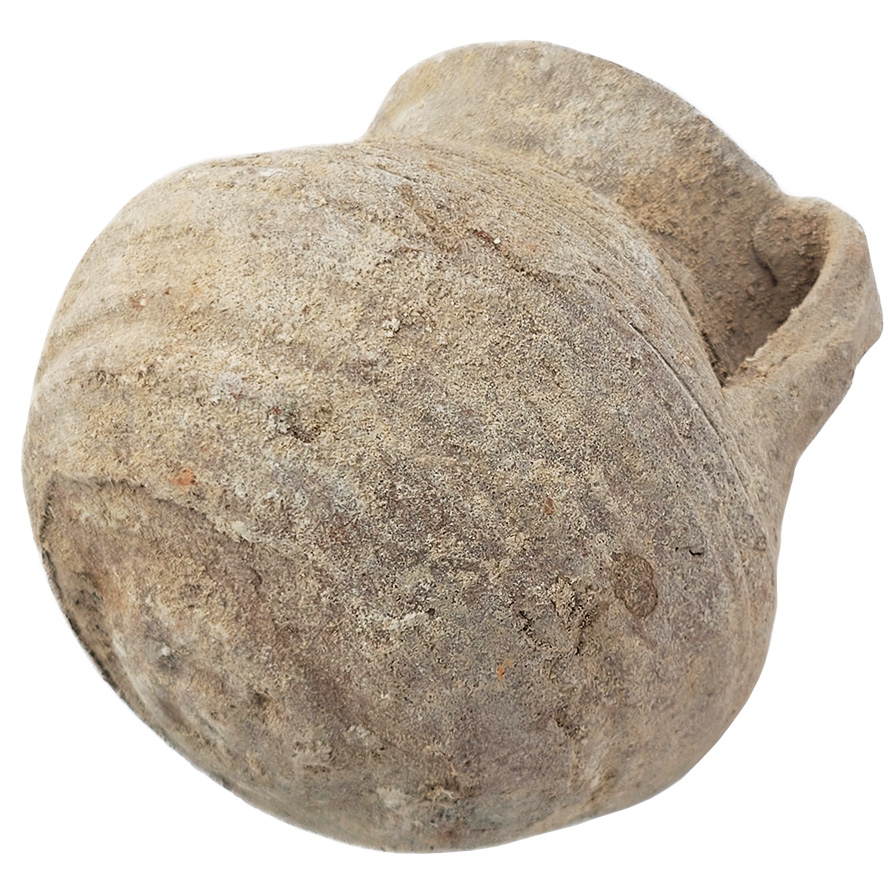
Cooking pots from this era typically exhibit signs of heavy use. Burn marks on the base, soot stains, and thermal cracks are common indicators that these vessels were placed directly over open flames.
According to Dr. Ronny Reich, a leading Israeli archaeologist, “The cooking pot is one of the most telling artifacts we have. It speaks volumes about diet, fuel use, and even trade patterns.”
The reddish-brown hue and relatively thin walls of these pots suggest they were made from locally sourced clay and fired at moderate temperatures—sufficient for everyday culinary needs.
From Abraham to Jesus: The Evolution of Ancient Cooking Vessels
The evolution of cooking pots from the time of Abraham (circa 2000 B.C.) through to Jesus (1st century A.D.) mirrors broader shifts in culture and technology across the ancient Near East.
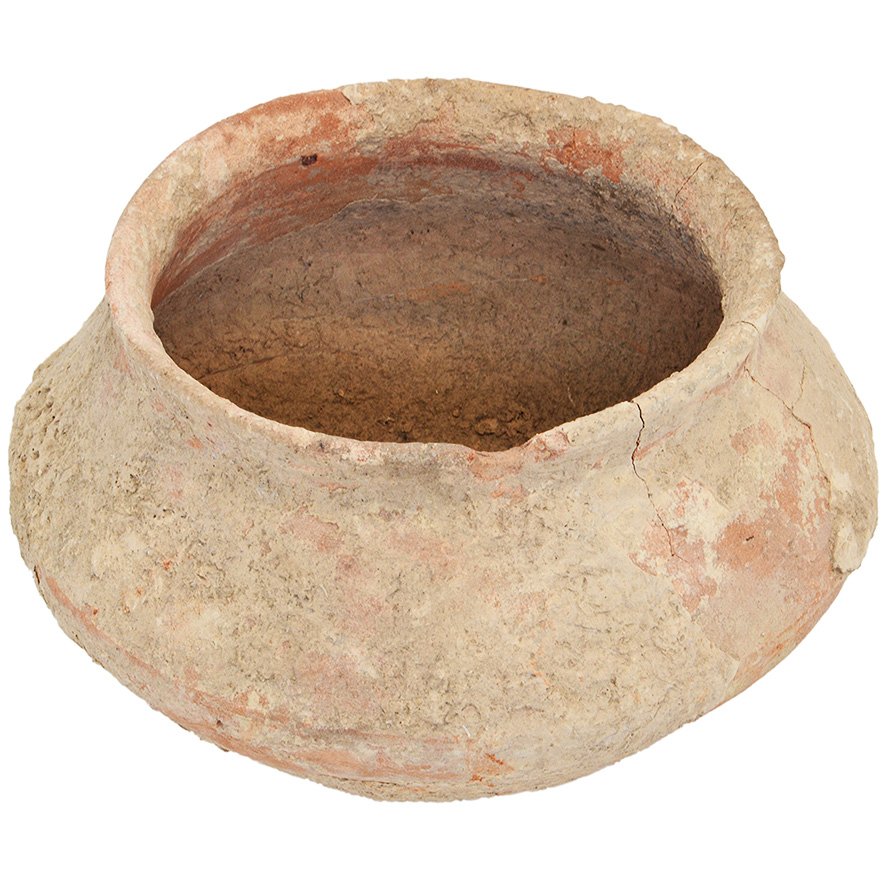
During the Middle Bronze Age (circa 2000–1550 B.C.), when the patriarchs such as Abraham would have lived, cooking pots were simple, hand-formed vessels with rounded bases and no handles. These early pots were often placed directly into hearths or on hot stones.
By the Iron Age (1200–586 B.C.), corresponding with the time of King David and the First Temple period, pottery-making had become more sophisticated. Potters used fast wheels to create more uniform shapes, and vessels began to feature handles for easier manipulation.
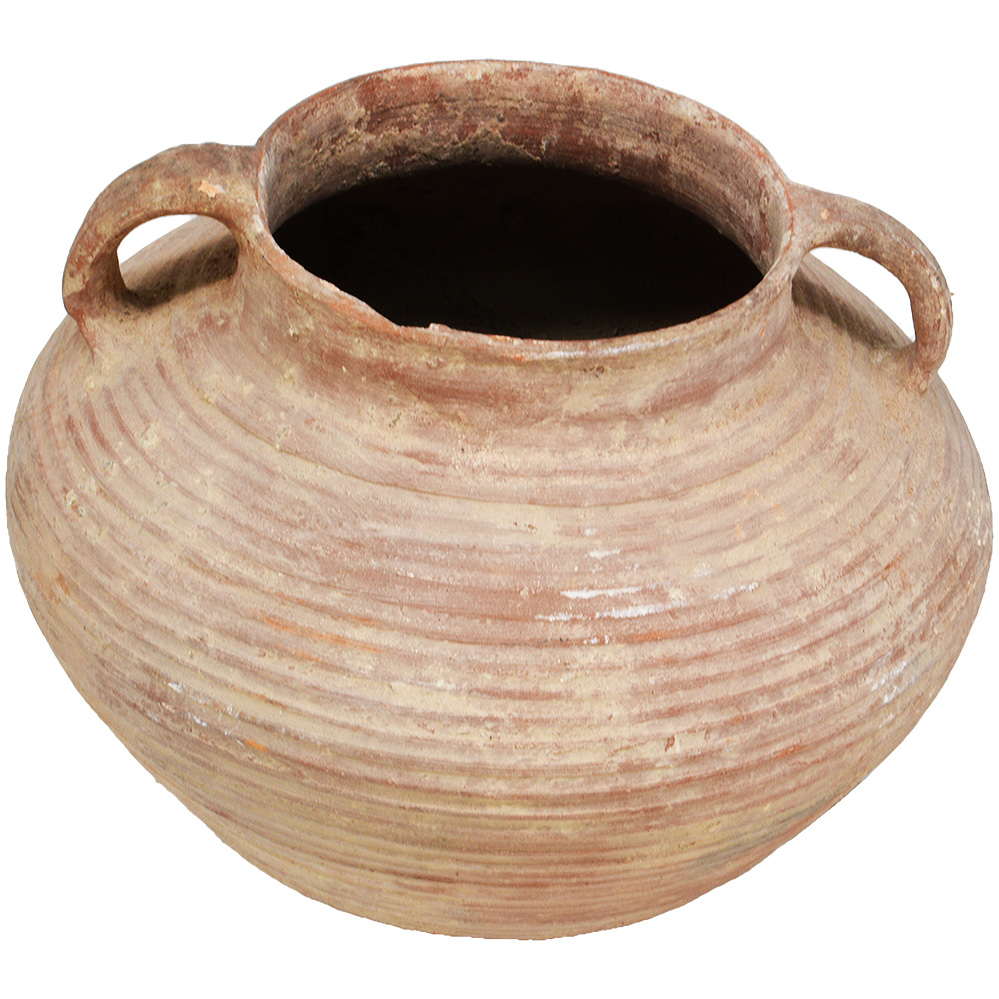
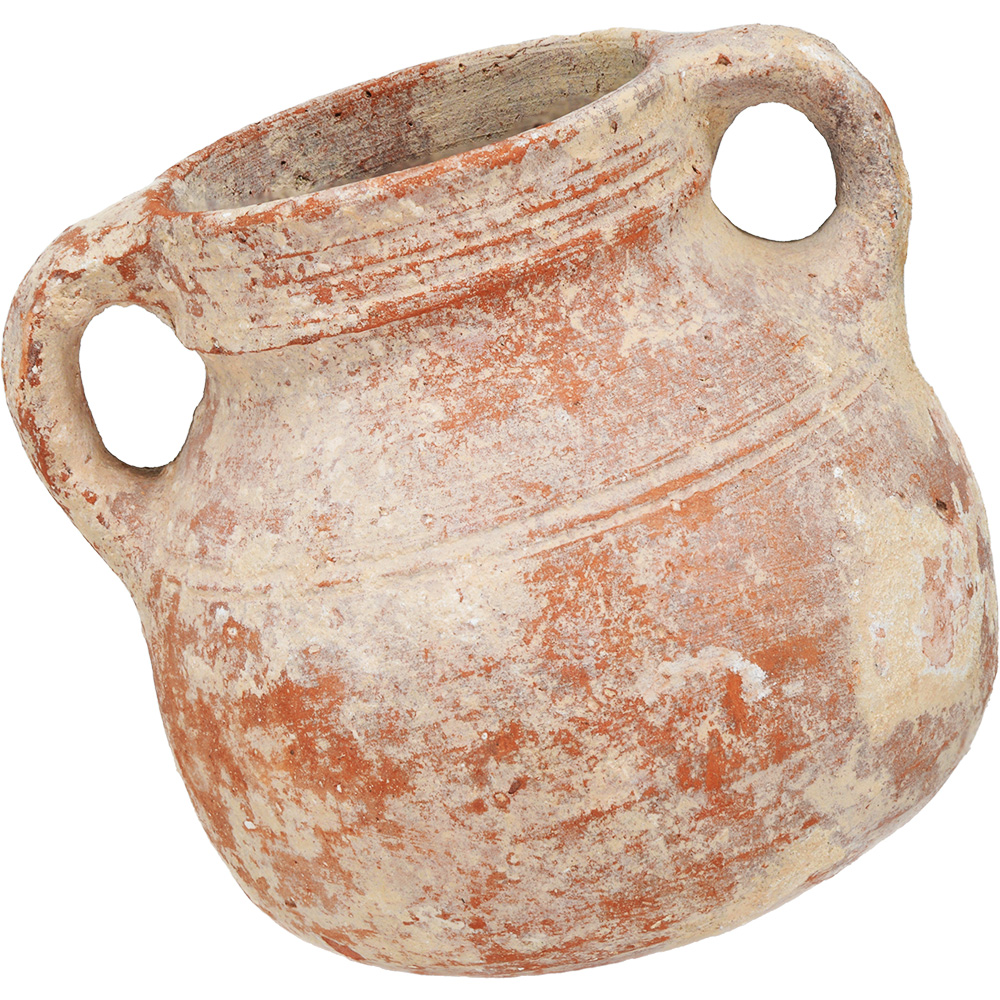
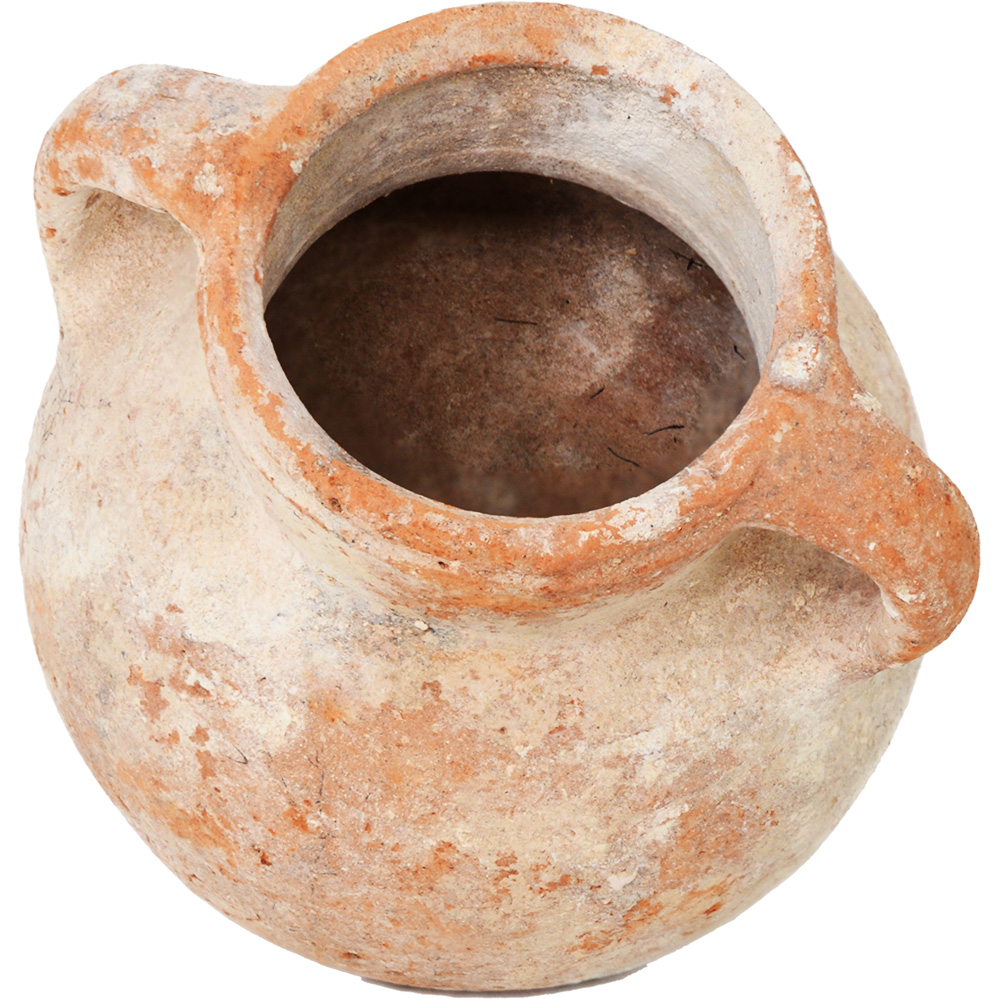
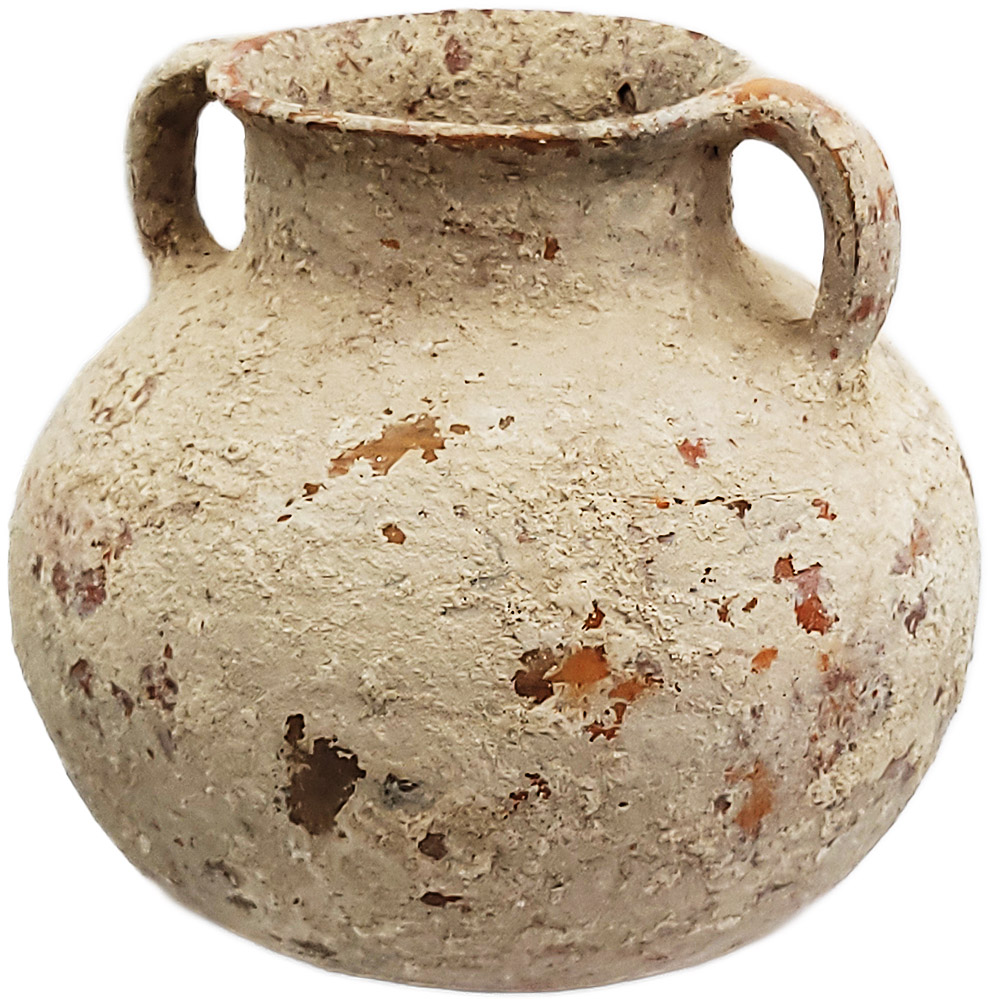
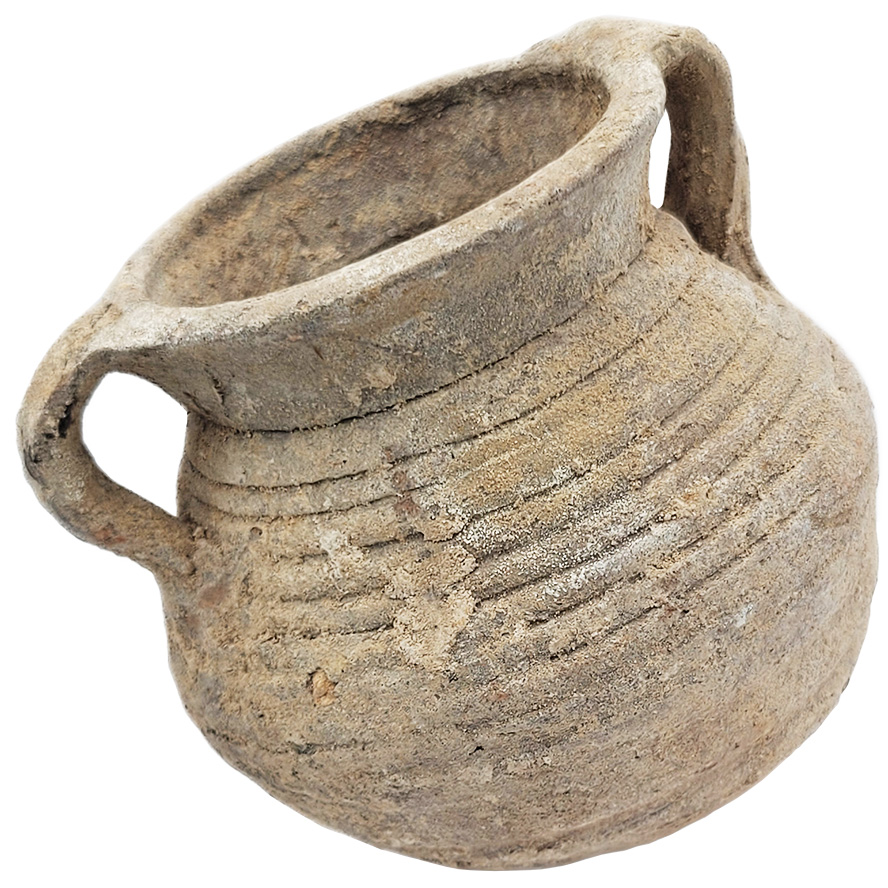
The closed globular cooking pot became especially popular during this time. Characterized by a rounded base, short neck, wide mouth with a triangular rim, and two looped handles extending from rim to shoulder, this form remained dominant well into the Roman period.
In the Second Temple period (516 B.C.–70 A.D.), particularly in 1st-century Jerusalem, these globular pots were mass-produced. Their design was practical: the rounded base allowed for even heat distribution over an open flame, while the wide mouth facilitated stirring and serving.
The presence of such vessels in nearly every excavation layer from this period attests to their widespread use.
Zak’s Antiquities: Preserving Biblical Heritage
For those interested in owning a piece of biblical history, Zak’s Antiquities in Jerusalem offers a curated selection of authentic cooking pots spanning from the Canaanite period through to the Roman era.
As a licensed antiquities dealer operating under the strict regulations of the Israel Antiquities Authority (IAA), Zak’s ensures that every item is legally excavated and accompanied by export approval papers and a certificate of authenticity.
“Our goal is to connect people with their biblical heritage,” says Zak, founder of Zak’s Antiquities. “Each pot tells a story—of a family meal shared under a tent in Abraham’s time or bread being baked in a Jerusalem home during Jesus’ ministry.”
The shop specializes in First and Second Temple period artifacts but also carries items from earlier Bronze Age settlements and later Roman-Byzantine communities.
All items are shipped securely from Jerusalem and come with detailed provenance information. This not only guarantees authenticity but also supports ethical antiquities trade practices that respect Israel’s rich archaeological heritage.
Conclusion: A Window into the Past
Cooking pots may seem mundane at first glance, but they are among the most informative artifacts from ancient Israel. Their forms, materials, and wear patterns provide invaluable insights into how people lived—from patriarchs like Abraham to kings like David and prophets like Jesus.
As both functional tools and cultural symbols, these vessels bridge the gap between archaeology and theology, offering modern observers a tangible link to biblical times.
Whether displayed in museums or cherished in private collections, these ancient cooking pots continue to tell stories that resonate across millennia.
Thanks to responsible dealers like Zak’s Antiquities and ongoing archaeological research, we can continue to uncover—and preserve—the daily lives of those who walked the land of Israel thousands of years ago.
Showing all 9 results
-
Ancient Cooking Clay Pot from Jesus’ Time: A Glimpse into Jewish Life During the Second Temple Period
Quick ViewAncient Pottery from the time of Jesus – Clay Cooking Pot.
- Authentic artifact from the Second Temple period
- Used by Jewish inhabitants in ancient Jerusalem
- Includes a Certificate of Authenticity for provenance
- Height; 6.5″ / 16.5 cm – Diameter: 7″ / 17 cm
- Connects you to the daily life of ancient times
- Perfect for collectors and history enthusiasts alike
-
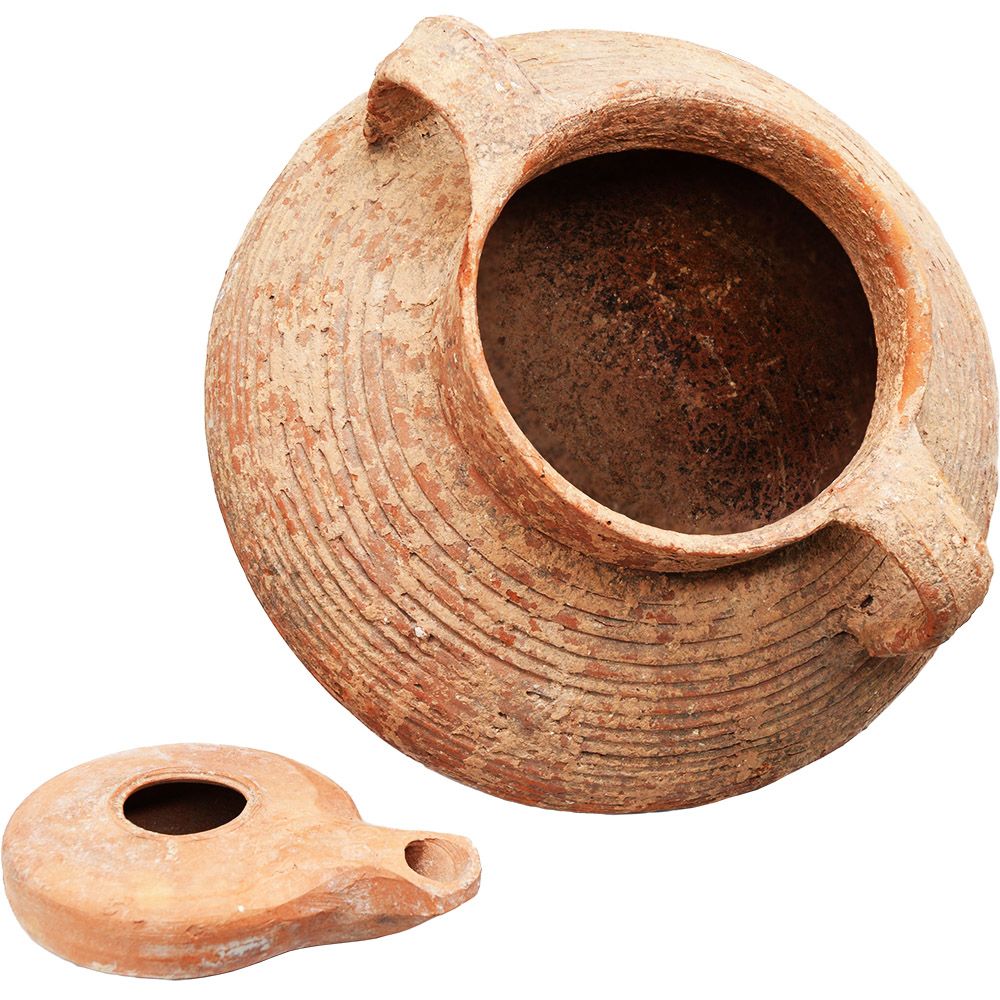
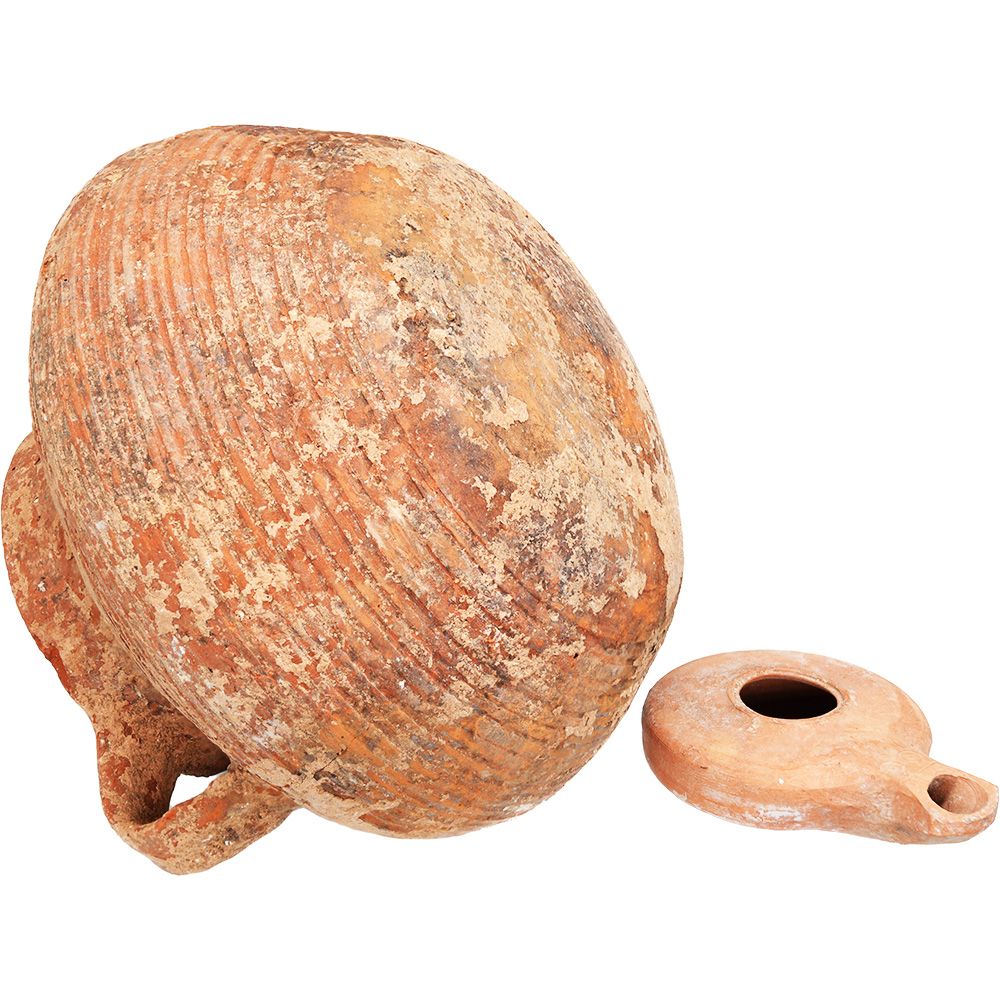
Ancient Cooking Pot and Clay Oil Lamp from the Time Jesus
Quick ViewEveryday Life in Jesus’ Time: Pottery and Lamp Set from Jerusalem
- Pottery from Jesus time
- Knife sharped Herodian clay lamp
- XF Terracotta pot with two handles
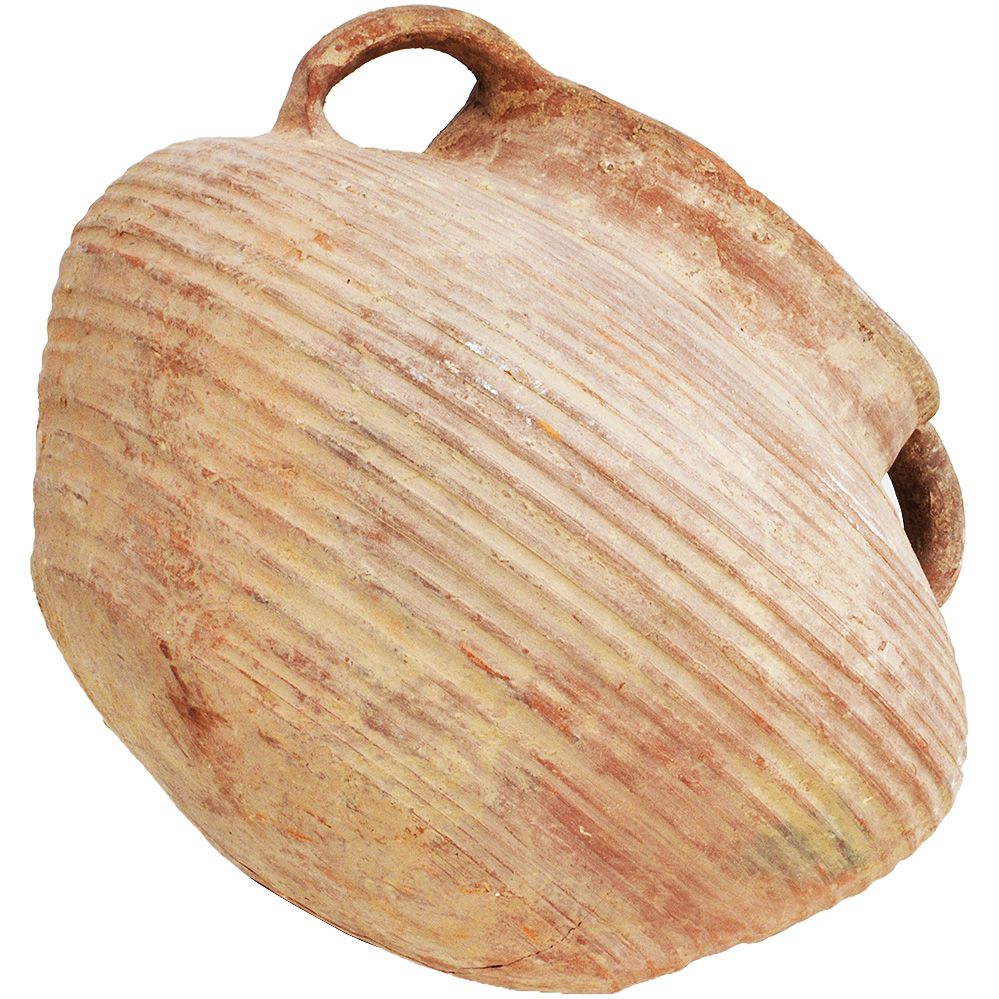
- Reddish clay bowl with grooves
- Bowl width: 7″ / 17 cm
- Oil lamp length: 3.8″ / 9.5 cm
-
Ancient Cooking Pot from the Time of Israelite Kings
Quick ViewAncient Israelite Pottery Pot, First Temple Era
- Certificate of authenticity with IAA export
- Five-inch tall globular cooking vessel
- Two looped handles for lifting
- Reddish clay material, wheel refined
- Presentation stand included for display
- Licensed antique dealer in Jerusalem
-
Authentic Late Bronze Age Clay Cooking Pot – Discovered in Jerusalem
Quick ViewLate Bronze Age pottery from Jerusalem – Own a certified, authentic artifact
- Discovered in ancient Jerusalem layers
- Height: 3.7 inches / 9.5 cm
- Includes certificate of authenticity
- Export approved by the IAA
- Sold by a licensed dealer in Israel
- Shipped directly from Jerusalem
-
Clay Cooking Pot from the Time of Jesus – Found in Bethlehem
Quick ViewSecond Temple Period Cooking Pot: Authentic Clay Vessel with Stand
- Very good condition clay artifact
- Two handles connect mouth to body
- Certificate of authenticity included
- Presentation stand for display
- Shipped direct from Jerusalem, IAA papers
- Reddish clay, rounded body, ribbed sides
-
Herodian Clay Cooking Pot – Time of Jesus – Discovered in Jerusalem
Quick ViewBiblical-era Cooking Pot: Herodian Vessel with Export Approval
- Authentic Herodian cooking pot
- 4 inches tall with two small handles
- Certificate of authenticity included
- IAA export approval documented
- Presentation stand included for display
- Discovered in Jerusalem, direct shipment
-
Jesus Time Cooking Pot
Quick ViewMartha’s Culinary Legacy: The Striped Pottery of Second Temple Jewish Homes
- Jesus Time Cooking Pot – Herodian Type Pottery
- Features distinctive stripes, reminiscent of Martha
- Typical in Jewish homes during the Second Temple
- Authorized antiquity dealer ensures authenticity
- Measures 8″ diameter and 6″ height, ideal size
- Discovered in Jerusalem, a piece of history
-
Jewish Herodian Cooking Pot – Jesus Period – Discovered in Jerusalem – Fine Condition
Quick ViewRemarkable Discovery: Well-Preserved Jewish Pottery from the Era of Jesus
- Authentic Herodian cooking pot from Jesus period
- Height: 5.2 inches (13 cm), fine condition
- Features used burn marks on the base
- Includes certificate of authenticity
- Licensed antiquities dealer in Israel
- Secure shipping direct from Jerusalem
-
Red Clay and Burn Marks: The Story Behind the Herodian Cooking Pot
Quick ViewHerodian Terracotta Cooking Pot Unearthed in Jerusalem: A Glimpse into Ancient Culinary Practices
.- Origin: Unearthed in Jerusalem, a historical treasure.
- Material: Made from durable red clay, well-preserved.
- Condition: Features genuine burning marks from use.
- Era: Dates back to the Herodian period, ancient times.
- Authenticity: Verified by an authorized dealer in Israel.
- Provenance: Comes with documented historical background.