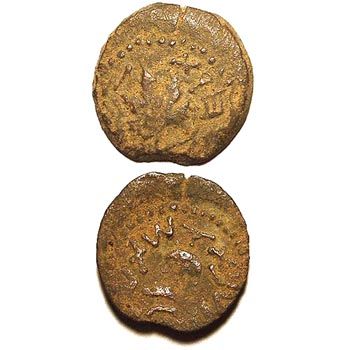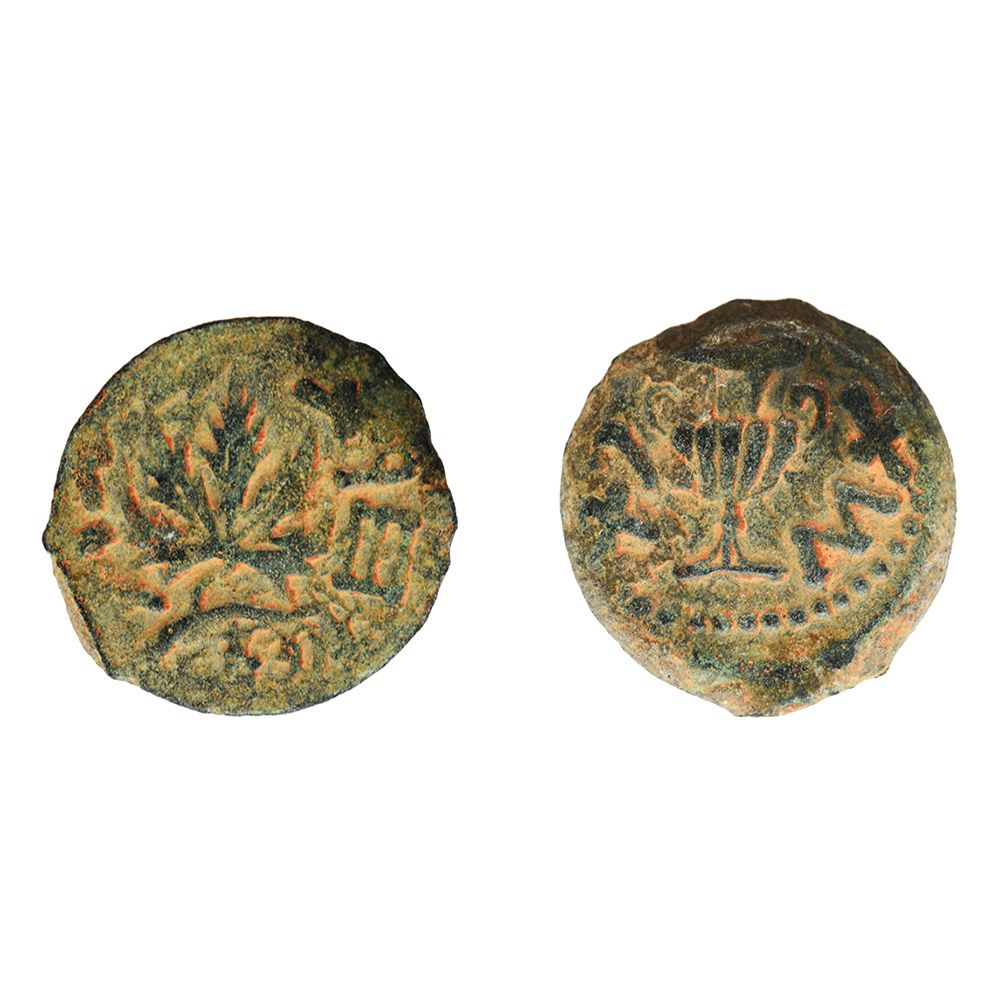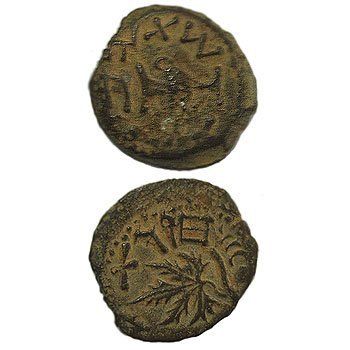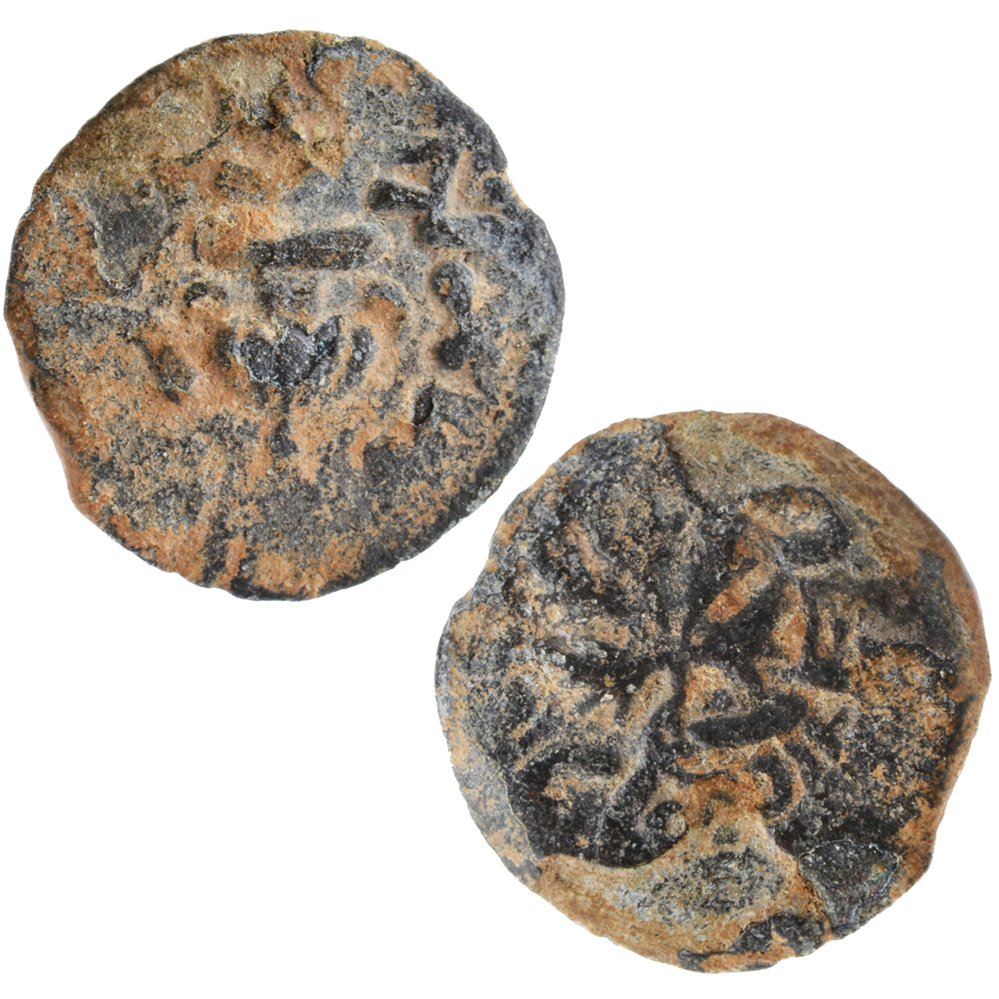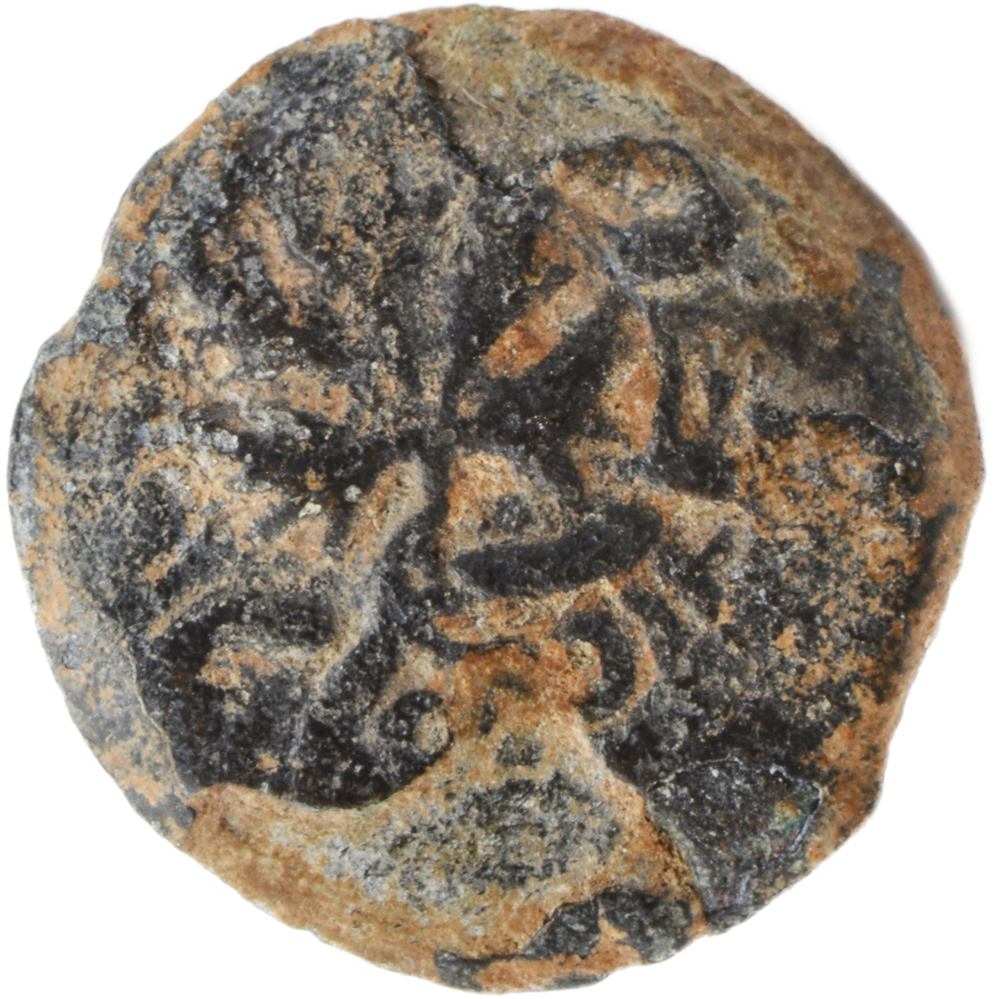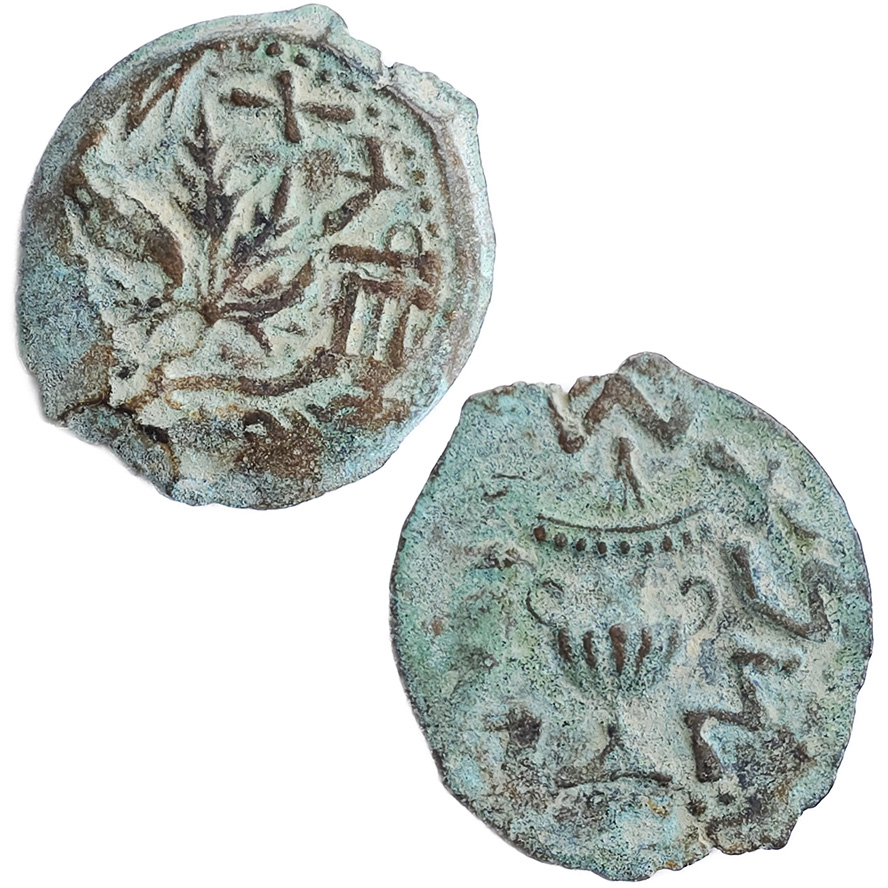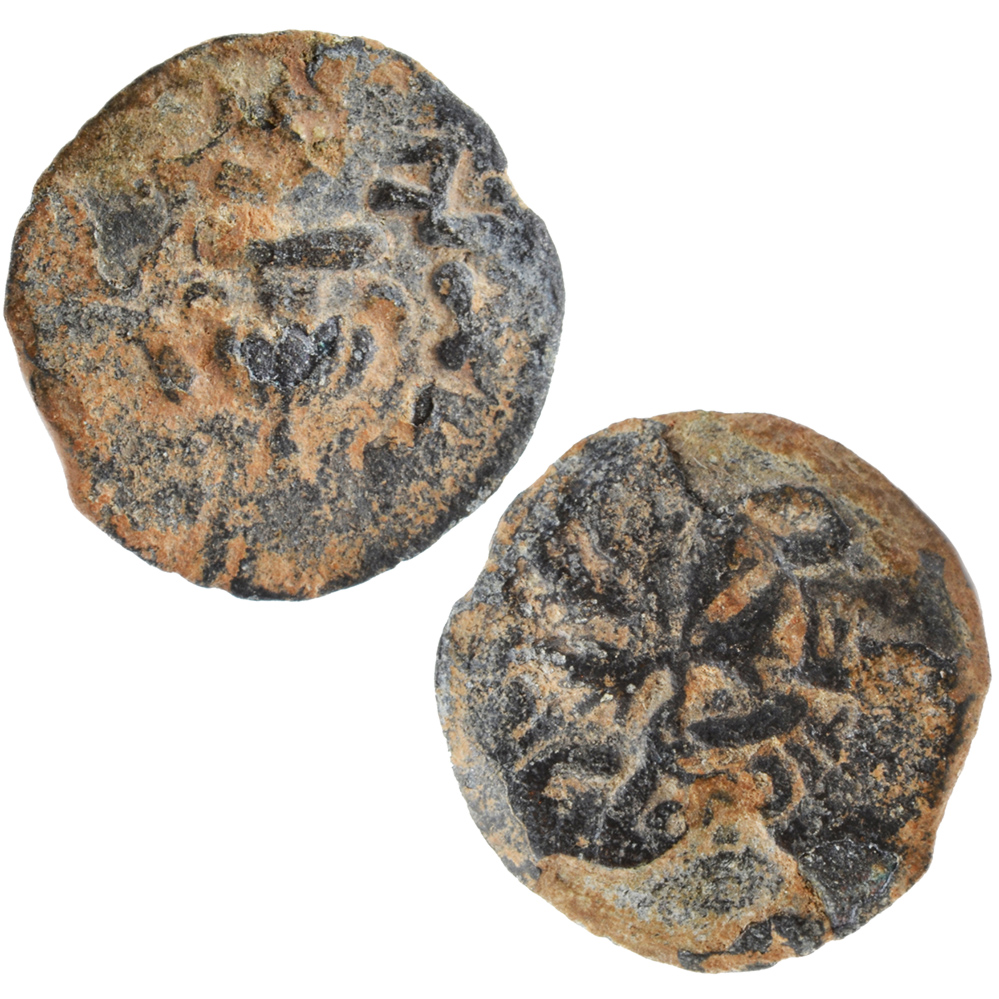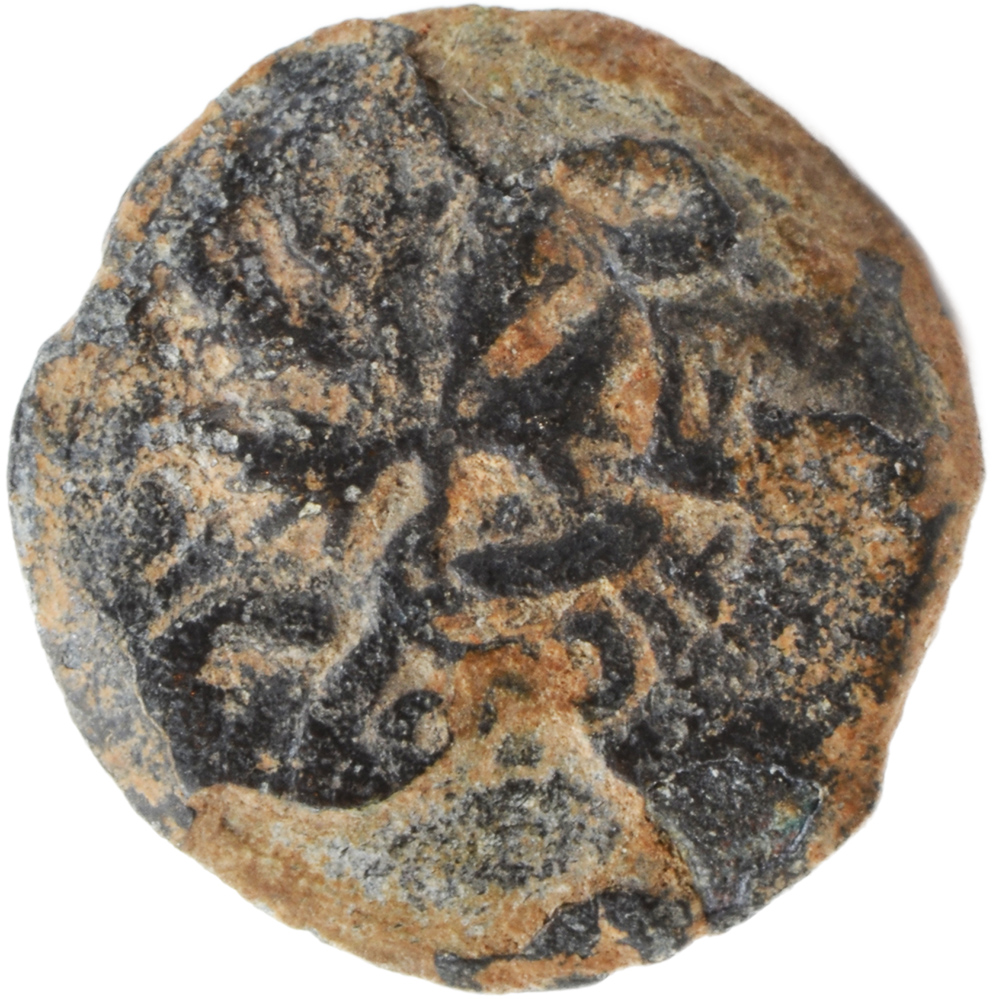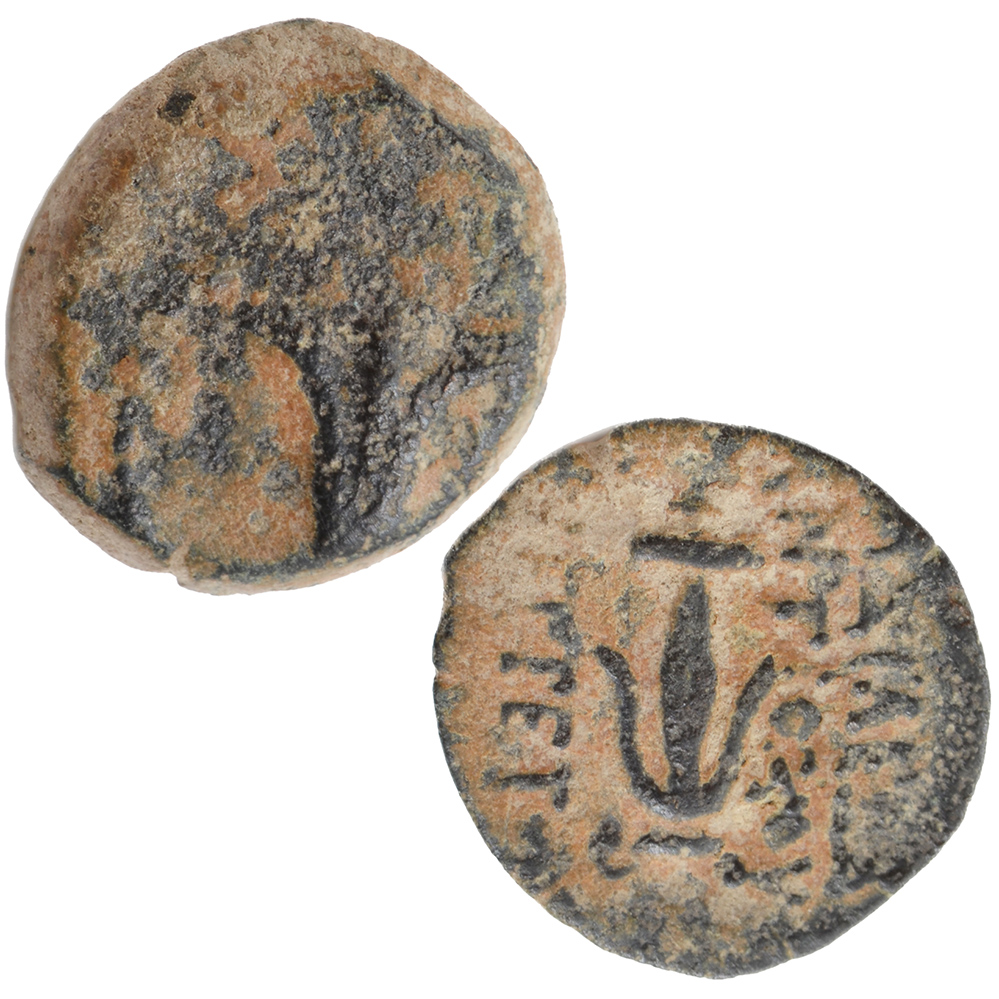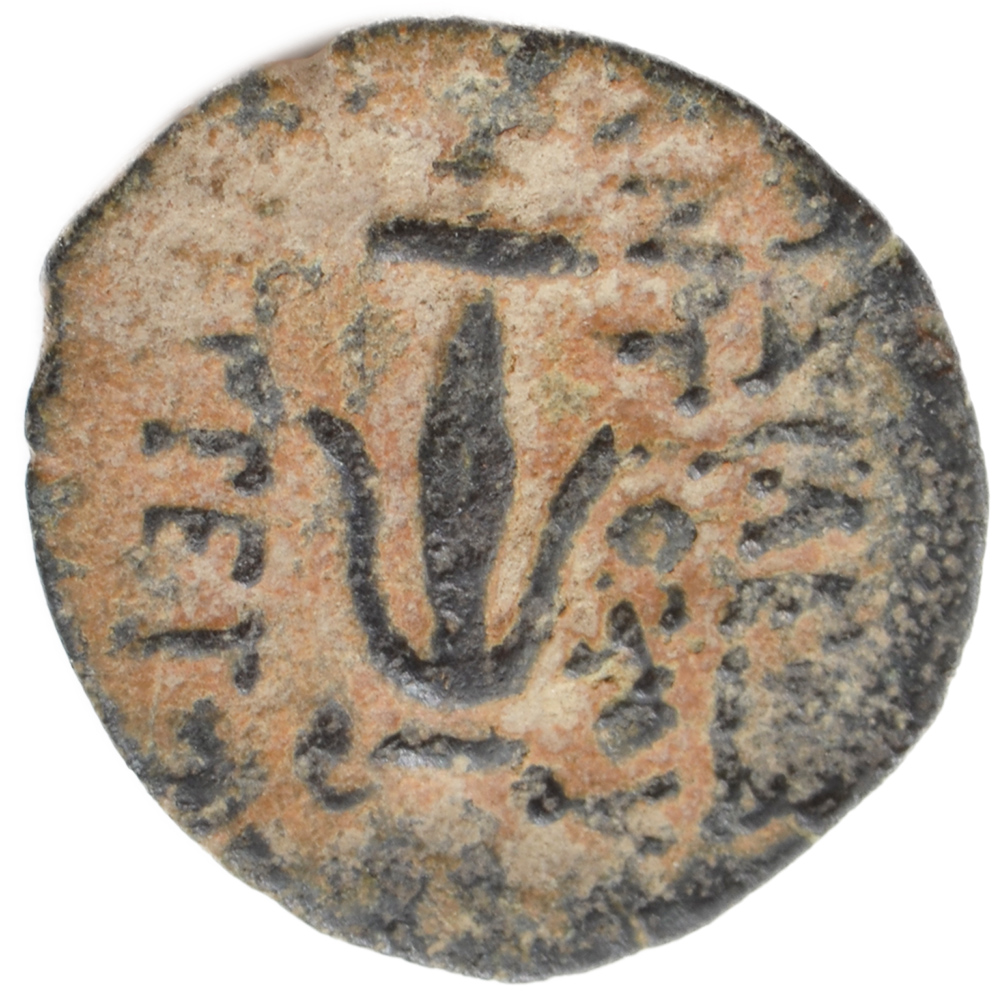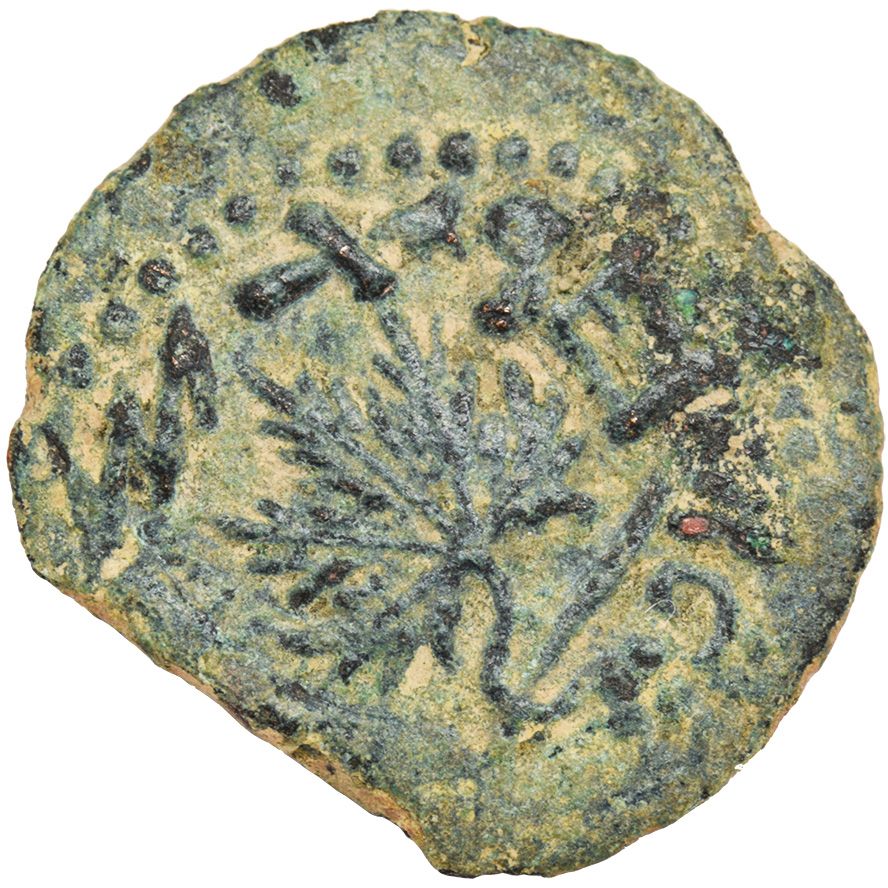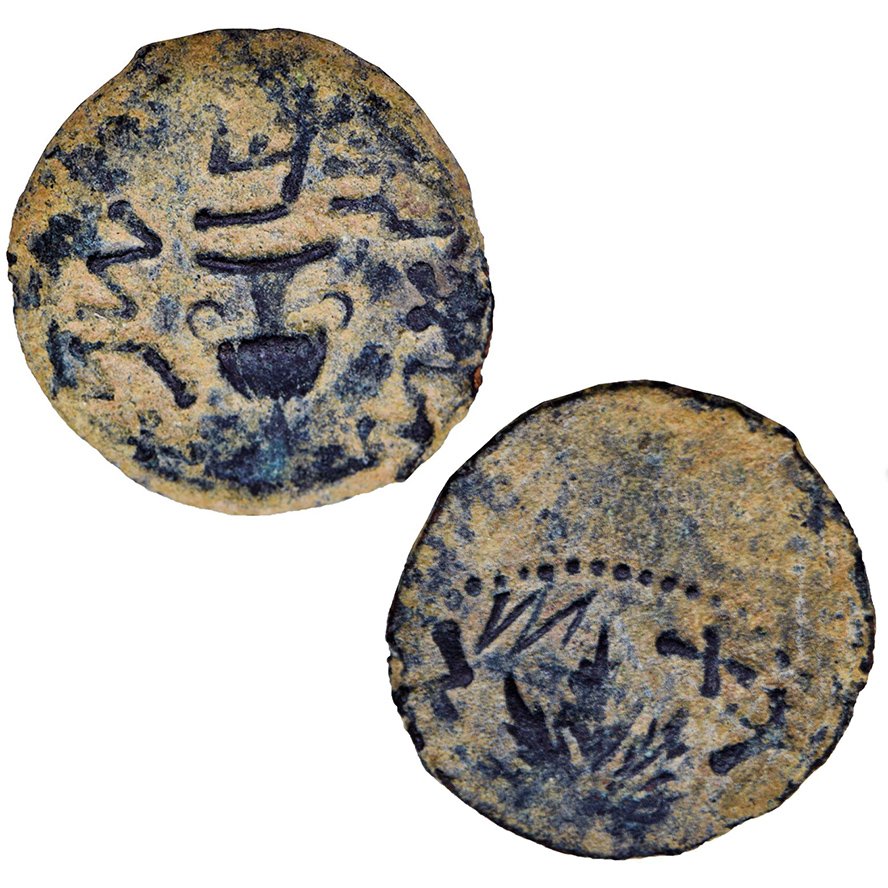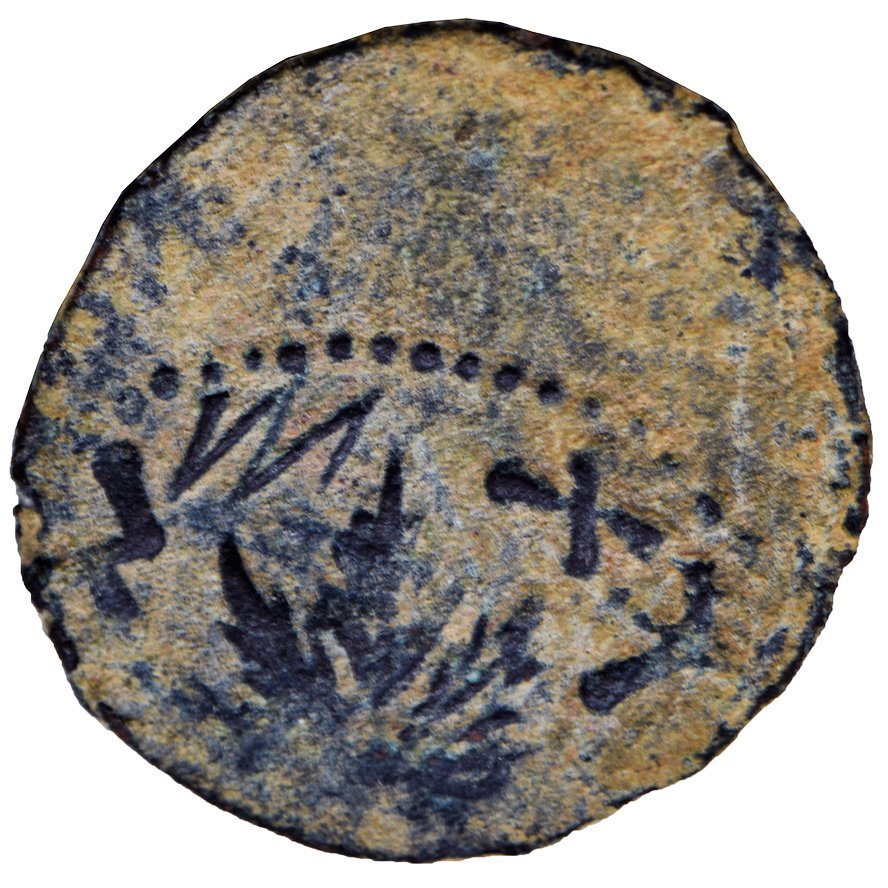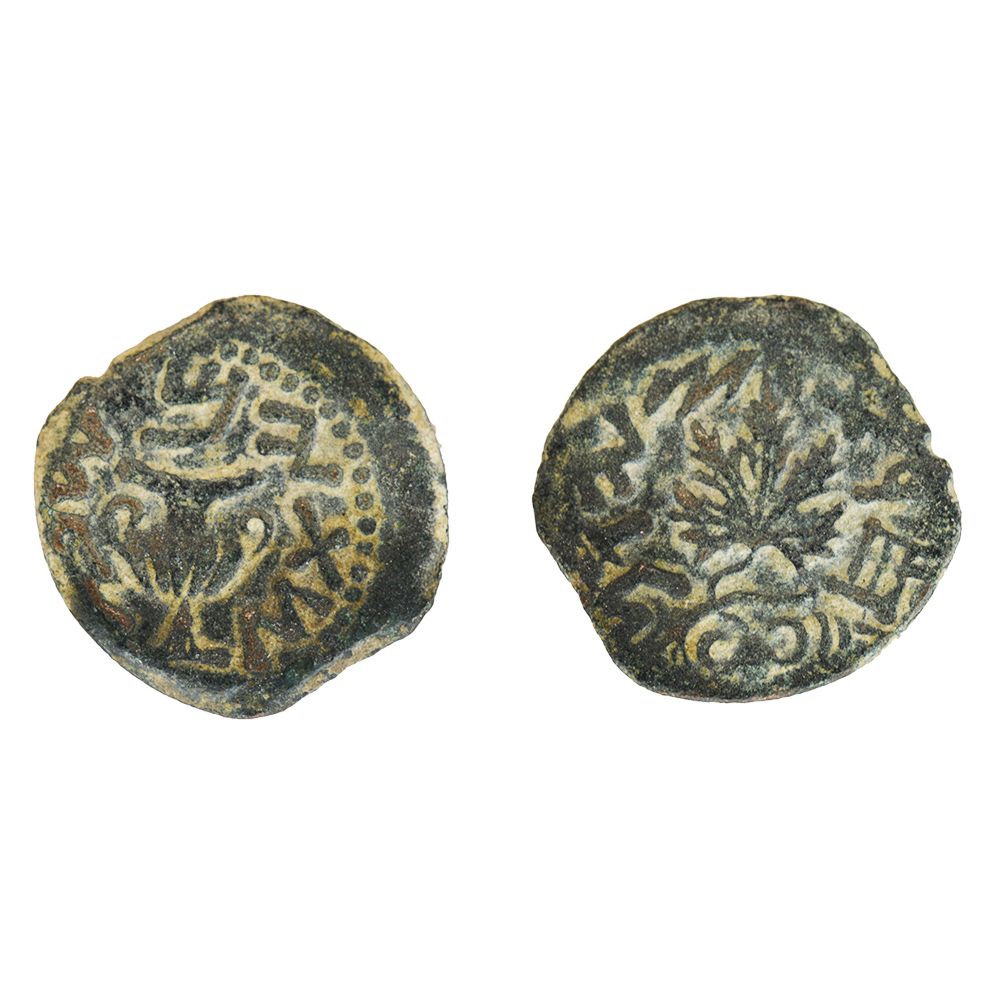

‘For Freedom to Zion’ Coin – Jewish Revolt Against Rome – Year 68 AD

Coins of the Second Temple

Coins of the Second Temple: Biblical Treasures from Jesus’ Time

The coins that circulated during the Second Temple period offer remarkable insights into biblical history. Moreover, these ancient artifacts provide tangible connections to the stories we read in Scripture. Furthermore, they illuminate the economic and religious practices of Jesus’ time in ways that written accounts alone cannot capture.

These coins tell stories of faith, rebellion, and divine providence. Additionally, they reveal the complex relationship between Jewish religious law and Roman political authority. Most importantly, they help us understand the biblical narratives with greater depth and authenticity.

The Sacred Requirement: Temple Tax and Divine Mandate

Every Jewish male was required to pay the Temple tax annually. This contribution supported the upkeep of the Temple in Jerusalem. Consequently, millions of coins flowed through the Temple treasury each year.

The biblical significance of this tax appears clearly in Matthew 17:27. Jesus told Peter: “But so that we may not cause offense, go to the lake and throw out your line. Take the first fish you catch; open its mouth and you will find a four-drachma coin. Take it and give it to them for my tax and yours.”

This miracle demonstrates Jesus’ divine authority over creation. Simultaneously, it shows His respect for religious obligations. Therefore, the Temple tax coins become symbols of both divine power and human responsibility.

The Significance of Tyrian Shekels

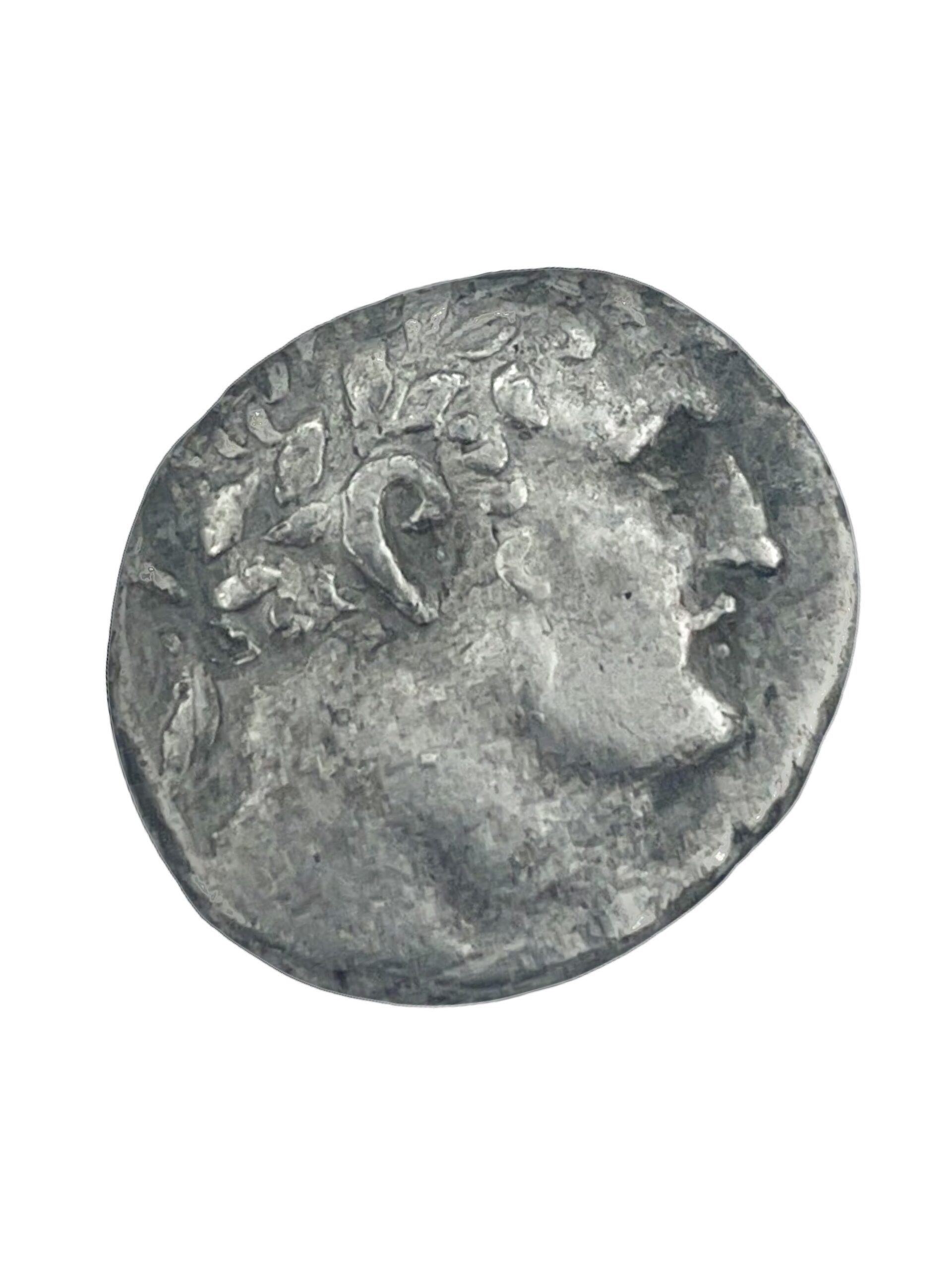
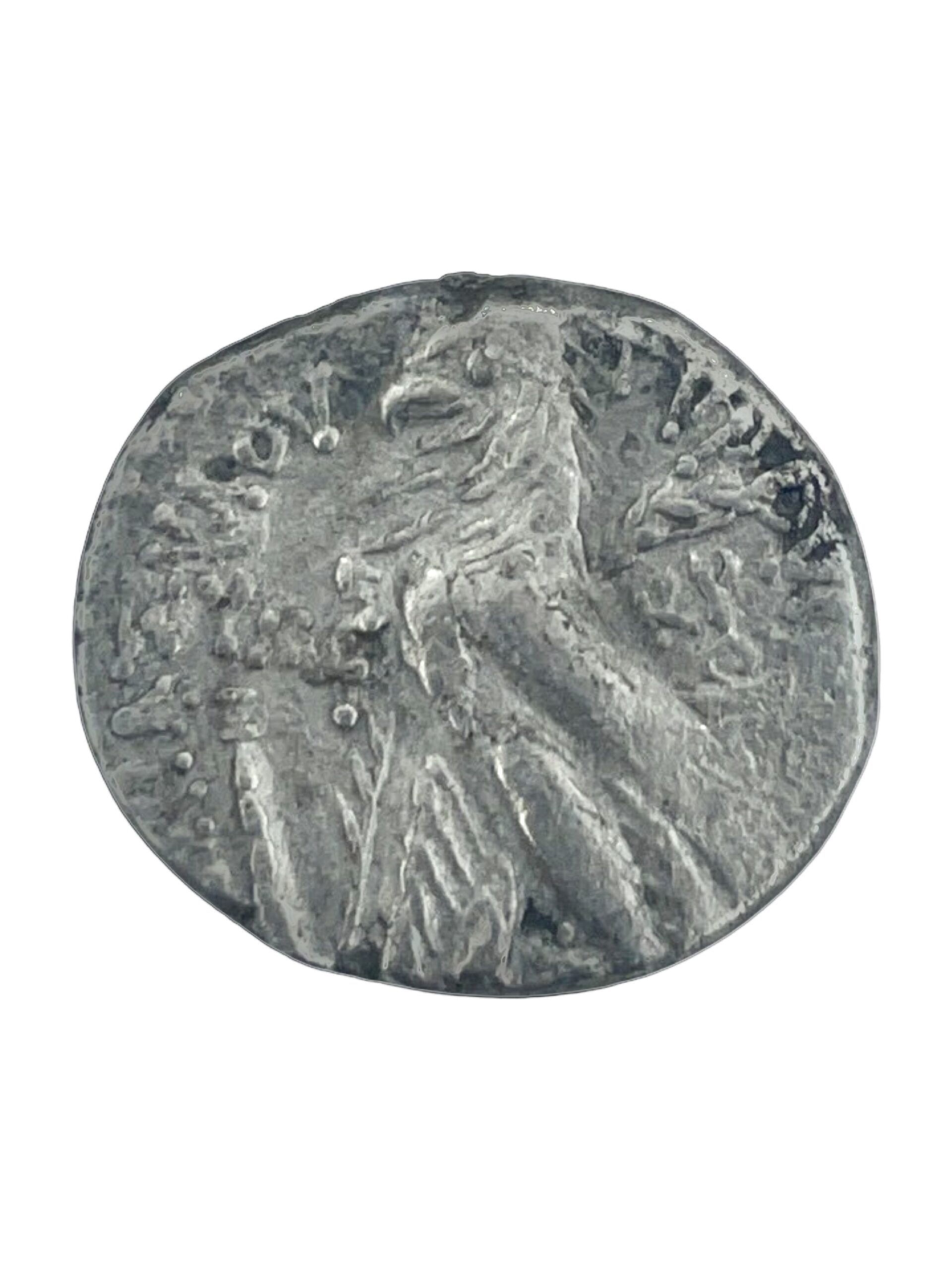
The High Priests accepted only specific silver coins for Temple offerings. These were the famous Tyrian shekels, minted in Tyre for their exceptional silver purity. Hence, these coins became the standard currency for sacred transactions.

Temple Tax coin and money changers in the Temple courts

The choice of Tyrian shekels created an interesting paradox. These coins bore the image of the pagan god Melqart and an eagle. Nevertheless, their high silver content made them acceptable for Temple use. This practical decision highlights the complex religious and economic realities of the time.

Tyrian shekels circulated widely throughout Jerusalem and Judea. Furthermore, they became essential for the annual Temple tax of half a shekel. Consequently, these coins represent one of the most important numismatic artifacts from biblical times.

The purity of these silver coins was crucial for Temple worship. Their consistent weight and silver content made them trustworthy for religious transactions. Therefore, collectors and biblical scholars value these coins for their historical and spiritual significance.

Other Coins in Circulation: Jewish Bronze Coins and Roman Denarii

Beyond the Temple tax, daily commerce required various denominations. Jewish bronze coins from the Hasmonean and Herodian periods served everyday transactions. These coins often featured symbols like the menorah, lulav, and etrog.

King Herod the Great minted bronze coins around 4 AD. These coins depicted the Table of Show Bread, connecting commerce to Temple worship. Additionally, they bore Greek inscriptions reflecting the Hellenistic influence of the period.

Roman denarii became increasingly common after the annexation of Judea. The famous “tribute penny” that Jesus examined was likely a silver denarius of Caesar Tiberius. This coin bore the emperor’s image and inscription, making it central to Jesus’ teaching about earthly and heavenly authority.

The coexistence of these different coins reveals the multicultural nature of first-century Palestine. Jewish, Greek, and Roman influences all appear in the numismatic record. Therefore, these coins provide a comprehensive picture of the economic landscape Jesus navigated.

The Jewish Revolt Coins: Symbols of Freedom and Faith

The First Jewish Revolt (66-70 AD) marked a pivotal moment in Jewish history. During this period, Jewish rebels minted their own silver shekels and bronze coins. These coins declared independence from Roman authority and affirmed Jewish identity.

The revolt coins bear Hebrew inscriptions like “For the Freedom of Zion” and “Holy Jerusalem.” These powerful messages appear in ancient Hebrew script, emphasizing cultural pride and religious devotion. Furthermore, they feature symbols like the Temple chalice and palm branches.

The decision to mint Jewish coins represented more than economic necessity. It symbolized the restoration of Jewish sovereignty and Temple worship. Consequently, these coins became potent symbols of resistance and faith.

Many revolt coins were discovered at Masada, the final stronghold of the Jewish rebellion. These artifacts bear witness to the courage and determination of the Jewish fighters. Therefore, they hold special significance for both historians and people of faith.

The revolt coins also pushed Rome to assert its authority more aggressively. This escalation ultimately led to the destruction of the Second Temple in 70 AD. Thus, these coins mark a crucial turning point in Jewish and Christian history.

The Role of Money Changers and Jesus’s Anger

The Temple’s requirement for specific coins created a thriving business for money changers. These merchants exchanged various currencies for acceptable Temple coins. However, this necessary service often involved exploitation and excessive fees.

Jesus’s anger at the money changers reflects His concern for justice and pure worship. He declared: “The Scriptures declare, ‘My Temple will be called a house of prayer,’ but you have turned it into a den of thieves!” (Matthew 21:13).

The money changers’ activities were technically necessary for Temple function. Nevertheless, their practices often contradicted the spiritual purposes of worship. Therefore, Jesus’s confrontation highlights the tension between religious obligation and commercial exploitation.

This biblical account gains deeper meaning when we understand the coin requirements. The need for specific currencies created opportunities for abuse. Consequently, Jesus’s actions defend both religious purity and economic justice.

The money changers’ tables held various coins from across the Roman Empire. Their exchange rates and fees directly affected worshippers’ ability to participate in Temple rituals. Therefore, Jesus’s intervention protects the accessibility of worship for all people.

Collecting Second Temple Coins Today

Modern collectors and biblical scholars treasure Second Temple period coins for their historical significance. These artifacts provide tangible connections to biblical narratives. Furthermore, they enhance our understanding of the economic and religious context of Jesus’ ministry.

Each coin tells a story of faith, politics, and daily life in ancient Jerusalem. The Tyrian shekels remind us of Temple worship and divine provision. Jewish bronze coins reveal the symbols and languages of Jewish identity. Roman denarii illustrate the political tensions of the period.

Revolt coins offer particularly powerful testimonies to Jewish faith and resistance. Their Hebrew inscriptions and Temple symbols declare unwavering devotion to God. Additionally, they demonstrate the courage required to assert religious and political independence.

For pastors and teachers, these coins provide invaluable educational tools. They make biblical stories more concrete and relatable. Furthermore, they help congregations visualize the historical reality of Jesus’ world.

Zak’s Antiquities offers authentic Second Temple coins with proper certification and export approval. Each piece comes with a certificate of authenticity from a licensed dealer. Therefore, collectors can trust the historical accuracy and legal provenance of these biblical treasures.

The study of numismatics enriches our understanding of biblical history. These coins complement written sources with archaeological evidence. Consequently, they provide a more complete picture of life in Jesus’ time.

Connecting Scripture and History Through Ancient Coins

Second Temple coins bridge the gap between ancient texts and historical reality. They transform abstract biblical concepts into tangible artifacts. Moreover, they help us understand the practical challenges and cultural context of Jesus’ ministry.

These coins witnessed the events described in the Gospels. They may have passed through the hands of Jesus, His disciples, and other biblical figures. Therefore, they carry special significance for people of faith seeking deeper connections to Scripture.

The diversity of Second Temple coins reflects the complex world Jesus inhabited. Jewish religious law, Roman political authority, and Greek cultural influence all shaped the numismatic landscape. Consequently, these coins help us appreciate the multicultural context of Jesus’ teachings.

For modern believers, these coins offer opportunities for reflection and study. They remind us that our faith has deep historical roots. Furthermore, they encourage us to explore the rich archaeological heritage of the Holy Land.

Whether you’re a pastor preparing sermons, a collector seeking biblical artifacts, or a student of history, Second Temple coins provide invaluable insights. They connect us directly to the world of Jesus and the early Church. Therefore, they remain among the most treasured artifacts from biblical antiquity.

Showing 1–12 of 31 results

  • ‘For Freedom to Zion’ Coin – Jewish Revolt Against Rome – Year 68 AD

    Masada Revolt Coin – Jewish war Against Rome year 68 AD

    • Struck in Jerusalem, 68 AD under Simon bar Giora.
    • Obverse shows amphora; “Year Two” in paleo-Hebrew.
    • Reverse vine leaf reads “For the Freedom of Zion.”
    • Includes display stand and certificate of authenticity.
    • Very fine condition with IAA export approval.
    • Ideal gift for pastors, students, and collectors.
    Add to cart
    0 out of 5
    $300.00
    Quick View
  • ‘Freedom to Zion’ Coin – Year 2 of the Jewish Revolt Against Rome – 67-68 A.D

    Freedom to Zion coin – Masada coin Jewish Revolt against Rome

    • Minted in Jerusalem during the Great Revolt.
    • Features the inscription “For the Freedom of Zion”.
    • Struck in bronze with a denomination of prutah.
    • Includes official certificate of authenticity.
    • Comes with IAA export approval from Israel.
    • Shipped directly from Jerusalem with a stand.
    Add to cart
    0 out of 5
    $400.00
    Quick View
  • “For the Freedom of Zion” Masada Coin – Jewish Revolt Against Rome – Engraved Olive Wood Stand

    Historical Treasure: “For the Freedom of Zion” Coin with Authenticity

    • Authentic Masada Coin from Jewish Revolt
    • Minted in Judea between 67-69 A.D.
    • Features Paleo Hebrew inscriptions
    • Includes engraved olive wood stand
    • Certificate of Authenticity provided
    • Shipped directly from Jerusalem
    Add to cart
    0 out of 5
    $200.00
    Quick View
  • Bronze Prutah from the Great Revolt – For the Freedom of Zion – Minted in Jerusalem ca. AD 67–68

    Enigmatic Prutah of 67–68 AD: Freedom of Zion in Bronze

    • Minted in Jerusalem ca. AD 67–68
    • Stamped “For the Freedom of Zion”
    • Bronze Coin from the Great Revolt
    • Ships with IAA Export Approval.
    • Certificate of authenticity included.
    Add to cart
    0 out of 5
    $135.00
    Quick View
  • Bronze Prutah of Antiochus VII – Maccabean Coin Minted in Jerusalem

    Authentic Antiochus VII Prutah – Hasmonean Era Relic with Stand

    • Authentic Maccabean bronze prutah coin
    • Minted in Jerusalem, 132–130 BCE
    • Features anchor and lily designs
    • Includes display stand and COA
    • IAA export approval provided
    • Shipped direct from Holy Land
    Add to cart
    0 out of 5
    $120.00
    Quick View
  • Caesar Tiberius Denarius: The Jesus Time Tribute Penny Year 14 – 37 AD

    The Jesus Time Tribute Penny: A Biblical and Numismatic Treasure.

    • Authentic Roman silver coin from Jesus’ time
    • Mentioned in the Bible as the Tribute Penny
    • Certified by an authorized antiquity dealer
    • Shipped directly from Jerusalem, Israel
    • Genuine artifact from the era of Caesar Tiberius year 14 – 37 AD
    • Perfect for collectors and history enthusiasts
    Add to cart
    0 out of 5
    $1,350.00
    Quick View
  • Coin of King Herod the Great – Currency used in Jesus Time

    King Herod the Great Prutah: Jesus Time Currency Artifact

    • Authentic Herod Coin from Jerusalem Dig
    • Biblical Prutah Minted in Year 4 AD
    • Includes Display Stand and Certificate
    • IAA Approved with Direct Shipping
    • Features Diadem and Tripod Design
    • 3-Gram Bronze Currency of Jesus Era
    Add to cart
    0 out of 5
    $240.00
    Quick View
  • Coin of the ‘First Jewish Revolt’ – Masada 67 AD – Minted in Judea

    Biblical Freedom to Zion Coin – Masada Revolt Artifact with Stand

    • Genuine 67 AD Masada revolt coin in bronze
    • Stamped ‘For the Freedom of Zion’ inscription
    • Includes display stand and authenticity cert
    • IAA approved, shipped from Jerusalem direct
    • Bronze prutah minted by Zealots in Judea
    • Tangible piece of First Jewish Revolt history
    Add to cart
    0 out of 5
    $250.00
    Quick View
  • Coin of the Great Revolt Against Rome – “For the Freedom of Zion” – Found in Jerusalem

    Year Three Masada Coin Jewish Revolt Against Rome

    • Authentic Bronze Prutah from 68/69 CE
    • Features “For the Freedom of Zion” inscription
    • Struck in Jerusalem during the Great Revolt
    • Includes certificate of authenticity & display stand
    • Compliant with IAA export regulations
    • Shipped directly from Jerusalem, Israel
    Add to cart
    0 out of 5
    $450.00
    Quick View
  • Coin of the Jewish Revolt Against Rome – “For the Freedom of Zion”

    Masada Coin Jewish Revolt Against Rome

    • Authentic 69 A.D. Jewish Revolt Bronze Coin
    • Stamped ‘For the Freedom of Zion’ Inscription
    • Minted Under Zealot Leader Simon bar Giora
    • Includes Display Stand and Authenticity Cert
    • IAA Export Approved, From Jerusalem Find
    • Links to Biblical Zealots and Masada Battle
    Add to cart
    0 out of 5
    $230.00
    Quick View
  • Currency in Jesus Time – King Herod The Great Coin – 4 A.D

    King Herod Bronze Coin: Biblical Currency from Jesus’ Era

    • Authentic Herod coin from 4 BC era.
    • Bronze 2 prutot with tripod symbol.
    • Includes display stand and certificate.
    • Good condition Biblical history piece.
    • Shipped from Jerusalem with IAA approval.
    • Own New Testament currency artifact.
    Add to cart
    0 out of 5
    $310.00
    Quick View
  • First Jewish Revolt – Year 2 Masada Coin “For the Freedom of Zion”

    “Freedom of Zion” Masada Coin – Great Revolt Artifact

    • Authentic Year 2 Revolt bronze prutah from Jerusalem
    • Features amphora and vine leaf with paleo-Hebrew
    • Inscribed “Freedom of Zion” for rebellion symbol
    • Good condition, includes display stand
    • Certificate of authenticity and IAA approval
    • Shipped direct from Jerusalem dealer
    Add to cart
    0 out of 5
    $180.00
    Quick View
Top
X